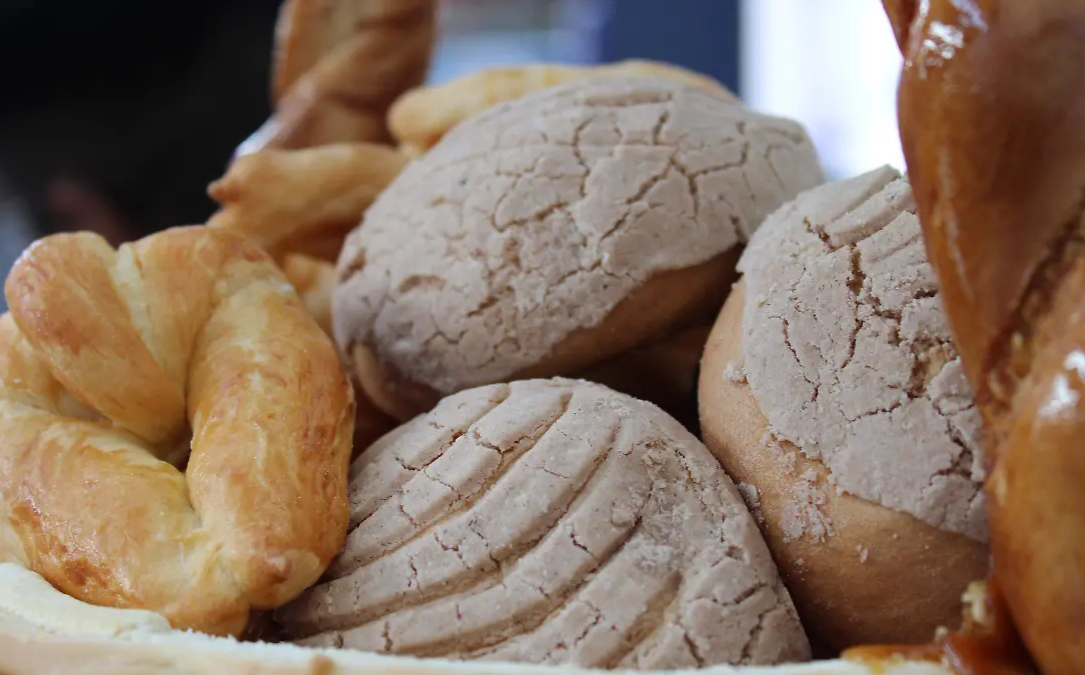

For generations, bread has been much more than just food for families in Aguascalientes. It’s part of the state’s identity, its neighborhoods, its religious festivals, and an artisanal tradition that has remained alive for centuries, which is why it’s now part of Aguascalientes’ Intangible Cultural Heritage.
Although many people associate the state with the San Marcos National Fair, the railroad, or the automotive industry, the history of breadmaking has much older roots and represents one of the region’s most important gastronomic legacies.
The breadmaking tradition began to take shape when Aguascalientes was a strategic point on the Camino Real de Tierra Adentro (Royal Road of the Interior).
Its location made the then-town a mandatory stop for merchants, muleteers, and travelers, who needed long-lasting food, including bread baked in wood-fired ovens.
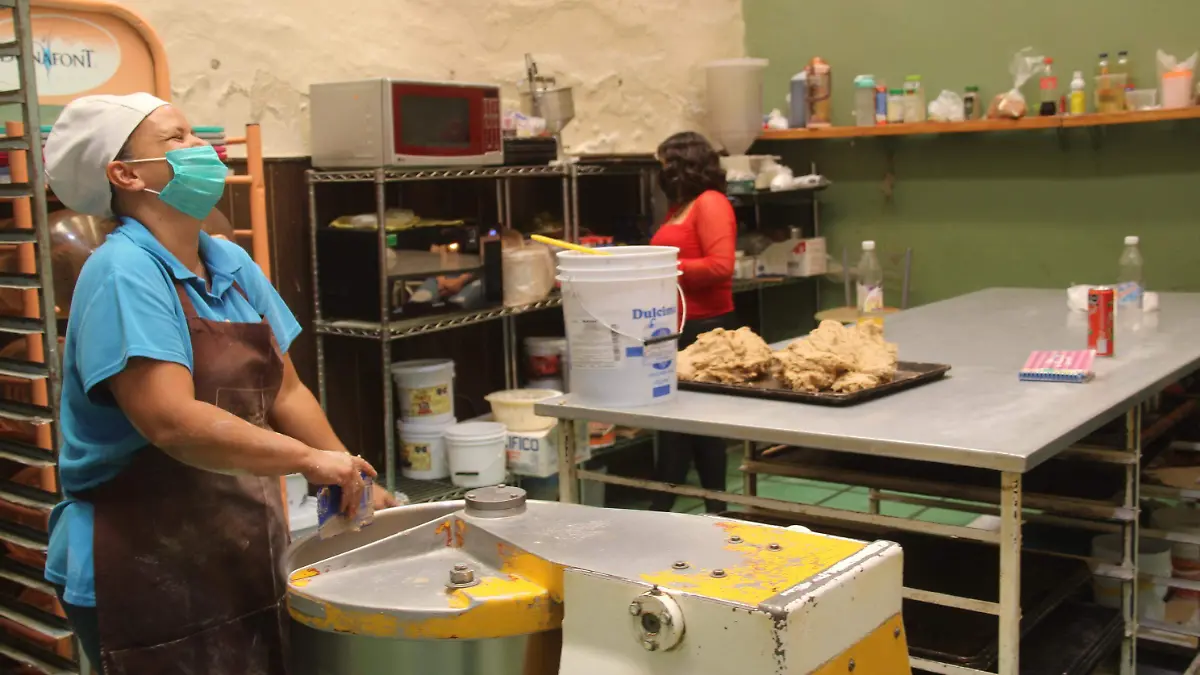
Over the years, small family bakeries emerged, passing down recipes, techniques, and secrets of production from generation to generation, preserving a craft that continues to this day.
In addition to the traditional bolillo roll, other emblematic breads such as chamucos, cocoles, chilindrinas, picones, empanadas, biscochos, semitas, panochas, and pan ranchero are still made, among many other specialties that form part of the local culinary heritage.
Many of these recipes retain traditional ingredients such as piloncillo (unrefined cane sugar), cinnamon, anise, lard, walnuts, guava, and cajeta (caramelized milk), flavors that have given Aguascalientes bakeries their identity for decades.
The National Institute of Anthropology and History (INAH) has documented various expressions of the state’s intangible cultural heritage, including the knowledge related to artisanal breadmaking, as this knowledge has been passed down through generations of bakery families.
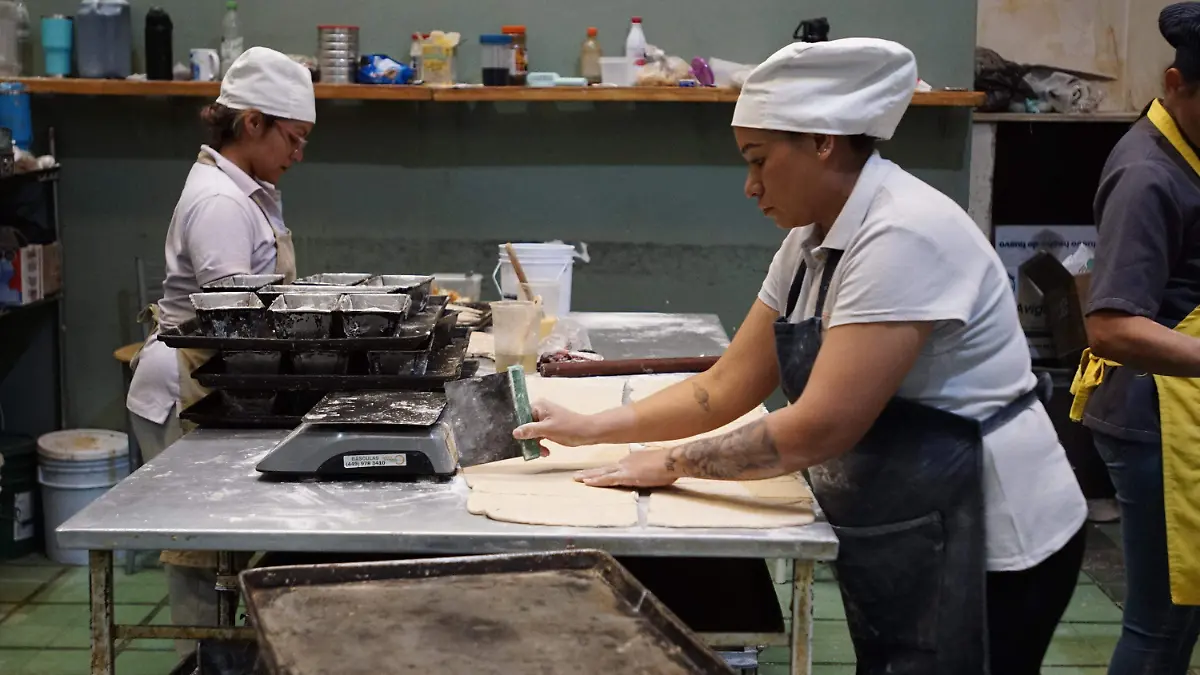
Currently, numerous establishments continue to make their products using manual processes, traditional recipes, and techniques that have remained virtually unchanged over time.
In Aguascalientes, there is practically no celebration without bread.
It’s present at baptisms, weddings, patron saint festivals, Christmas, Day of the Dead, Holy Week, and family gatherings, becoming an indispensable element of daily life.
Besides representing an important economic activity for hundreds of families, traditional bread is one of the most representative gastronomic symbols of the state and a legacy that continues to be baked every day to preserve the history, flavor, and identity of Aguascalientes.
Source: oem