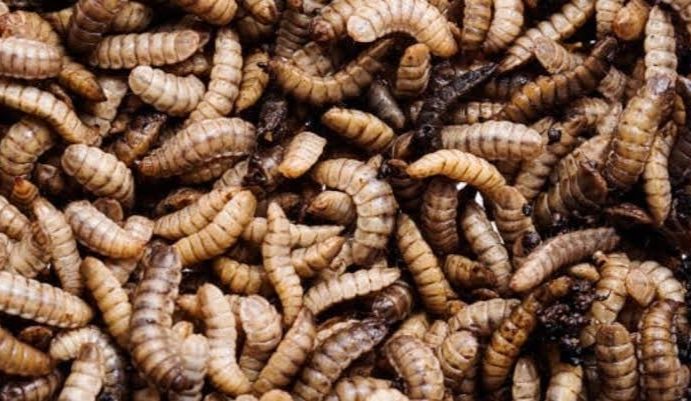

Animal welfare organizations in San Miguel de Allende have raised concerns following the recent detection of New World screwworm cases in dogs. Municipal authorities announced that they have intensified training sessions and coordination meetings to strengthen prevention, response, and containment protocols for the pest.
According to the municipal government, eight cases of screwworm infestation have been confirmed in San Miguel de Allende by the National Service for Agrifood Health, Safety, and Quality (Senasica). Concern has grown in recent days because four of those cases involve dogs, including two recently detected infections that remain active.
Veterinary clinics and nonprofit organizations dedicated to animal welfare are urging pet owners to closely monitor their animals through regular inspections and to seek veterinary care immediately if they notice any wounds that could become infested.
“We encourage everyone to take preventive measures. We need to stay alert because the screwworm is already here among us. It poses a risk to dogs, cats, wildlife, and even people. Pet owners should regularly examine their animals, especially those that spend a lot of time outdoors. Any wounds should be kept clean and protected,” said Margarita Guerra, a member of Patitas de Humanidad.
Municipal authorities also reported that Senasica, in coordination with state and local governments, has held meetings and training sessions for livestock producers to explain prevention, treatment, and containment measures for the pest.

In addition, a new informational workshop organized by the Secretariat of Agriculture has been scheduled. It will include local delegates, ejido commissioners, slaughterhouse personnel, members of the Environmental Department, and potentially animal welfare organizations.
“If you notice anything unusual, seek veterinary attention immediately. The purpose is not to create fear but to promote prevention,” emphasized the president of the animal welfare association, who also stressed the importance of keeping homes and surrounding areas clean and free of garbage to reduce breeding sites for the flies that spread the parasite.
Veterinary specialists recommend regularly checking pets for wounds or unusual skin lesions and seeking prompt medical treatment to minimize the risk of screwworm infestation.

Source: periodicocorreo