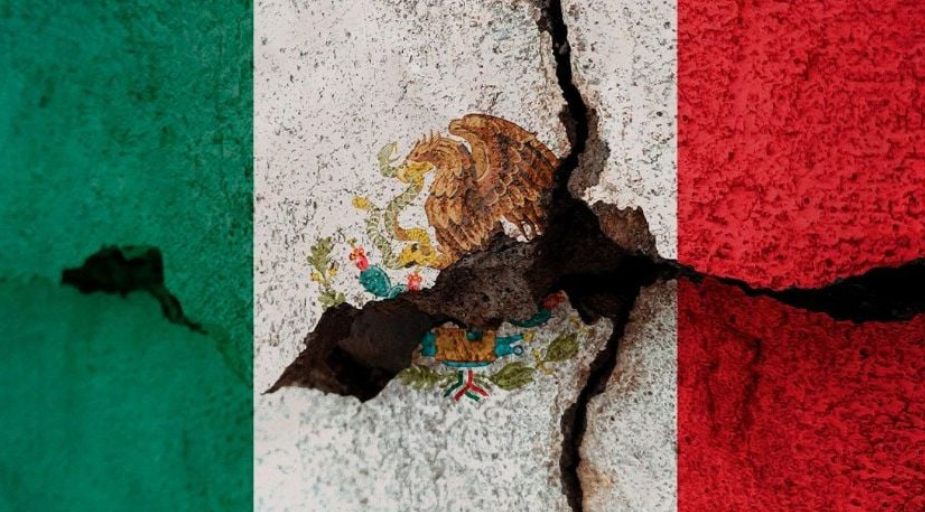

The National Seismological Service reports that the strongest aftershock reached a magnitude of 6.5 following the July 17 event.
The National Seismological Service (Servicio Sismológico Nacional) reported that, as of 8:00 p.m. on July 24, 2026, a total of 883 aftershocks had been recorded. These events are associated with the magnitude 7.4 earthquake that struck near Ciudad Hidalgo, Chiapas, on July 17.
Details of the Recent Seismic Activity
The agency explained that the Earth’s crust has continued to readjust, resulting in sustained seismic activity in the Chiapas region. The strongest aftershock reached a magnitude of 6.5, making it a significant event within the sequence that followed the major earthquake recorded one week earlier.
Specialists explained that aftershocks are a natural response of the Earth’s crust after a large release of energy. The number of recorded events reflects the geological complexity of Mexico’s Pacific region, where several tectonic plates interact. This level of activity is expected after a magnitude 7.4 earthquake.
Context and Seismic Behavior
According to the official report, monitoring continues 24 hours a day to detect any changes in seismic activity. Authorities are maintaining close surveillance of the epicentral area to determine whether the frequency of aftershocks begins to decline or whether stress continues to be released along local fault systems.
This event occurred in one of the country’s most seismically active regions due to the subduction of the Cocos Plate beneath the North American Plate. Comparative data indicate that a sequence of 883 aftershocks is technically consistent with an earthquake of this magnitude.
Timeline of Events and What Comes Next
- July 17: Magnitude 7.4 main earthquake.
- July 18–24: A total of 883 aftershocks recorded.
- July 24 (8:00 p.m.): Official update reporting the strongest aftershock at magnitude 6.5.
- Coming days: A gradual decrease in the frequency of aftershocks is expected in Chiapas.
Experts noted that although the number of aftershocks has been high, their magnitudes generally decrease over time. However, residents should remain alert because the Earth’s crust continues releasing accumulated stress in the affected area.
Recommendations for the Public
Civil Protection recommends that residents inspect their homes for visible cracks or structural damage. If an earthquake is felt, people should avoid using elevators and move to open areas while following previously established family and community evacuation plans.
Authorities also urge the public not to spread rumors and to rely only on official sources of information. Keeping an emergency kit with important documents, water, and a flashlight is recommended for everyone living in the region.
Impact on Daily Life
Daily life in Ciudad Hidalgo and nearby communities has been affected by the ongoing seismic activity. Several schools and workplaces have reinforced their safety protocols, temporarily suspending activities in buildings that require detailed structural inspections by local Civil Protection authorities.
Transportation systems and essential public services continue operating under constant monitoring to ensure public safety. Although efforts are being made to restore normal activities, the continued occurrence of aftershocks requires residents to remain cautious, avoid hazardous areas, and stay informed through official alerts.
Preparing for Future Earthquakes
Preparedness should be an ongoing effort regardless of how frequently earthquakes occur. Residents are encouraged to identify the safest areas within their homes and workplaces and establish a clear family meeting point so everyone knows what to do during and after an earthquake.
Regular emergency drills are essential to ensure calm and organized responses during real events. Following official instructions and remaining composed significantly reduces the risk of injuries and allows emergency responders to operate more effectively if a strong aftershock occurs.
Reliable Sources of Information
The current total of 883 aftershocks has been confirmed through the network of seismic monitoring stations operating throughout Chiapas. These detailed observations help scientists better understand the behavior of the magnitude 7.4 earthquake and provide valuable information for updating seismic hazard maps in southern Mexico.
For the latest official updates, the public is encouraged to follow announcements from the National Seismological Service and the National Civil Protection Coordination, as these are the official authorities responsible for confirming seismic activity and issuing public safety recommendations.
Source: heraldodemexico