
No crime is more devastating to a democracy than the murder of a journalist. Not because one life is worth more than another, but because when bullets seek to silence someone who investigates, exposes, and questions those in power, they also attempt to bury an entire society’s right to know the truth.
The murder of Francisco Alejandro Leyva Aguilar not only leaves his family and the journalistic community in mourning; it forces Oaxaca to confront a reality that the government of Salomón Jara Cruz insists on masking while fear advances faster than justice.
Alejandro’s death did not come out of nowhere. It did not occur in a vacuum. There was a context. There were prior incidents. There were threats that had been publicly reported, including before Mexico’s Attorney General’s Office (FGR).
There was a journalist who had openly stated that he felt at risk and who had directly identified Governor Salomón Jara Cruz, Secretary of Government Jesús Romero López, and Legal Counsel Geovany Vásquez Sagrero as part of a political conflict that he himself had made public. Those statements exist and are part of a reality that no authority can erase with press releases, official speeches, or hate campaigns.
It is not the role of this columnist to identify criminal responsibility; that is the responsibility of the FGR. But it is appropriate to point out something equally serious: Alejandro reported a context of threats, and even so, he did not receive the protection that any democratic state is obligated to provide to a journalist who warns that his life is in danger.
That omission has a name: institutional failure. And that failure cannot be hidden behind the phrase governments repeat most often when everything has already gone wrong: “the matter will be investigated to its ultimate consequences.” Empty words.
THE EVIDENCE OF ALEJANDRO’S COMPLAINTS
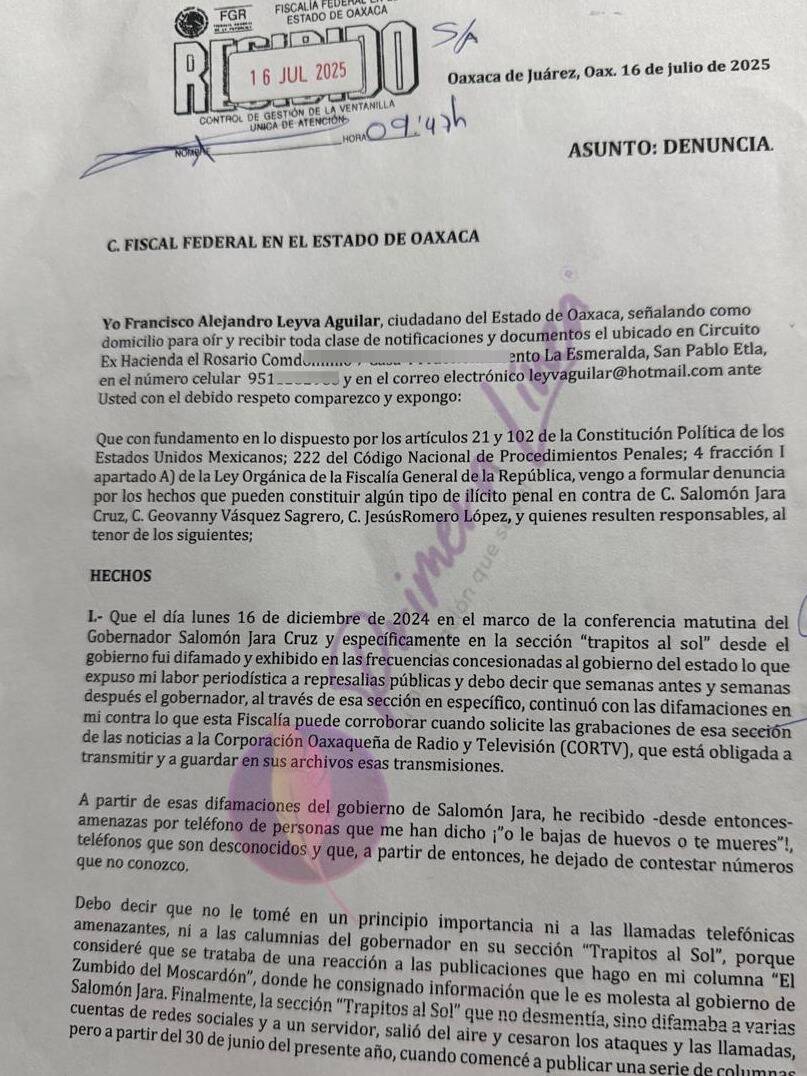
Here I want to make it absolutely clear, supported by official documents, that on July 16, 2025, the complaint filed before the FGR in Mexico City was referred to Oaxaca, where Alejandro formally filed a criminal complaint against Governor Salomón Jara Cruz, Geovanny Vásquez Sagrero, and Jesús Romero López for alleged criminal conduct based on the following facts:
“On Monday, December 16, 2024, during Jara’s morning press conference in the section ‘Trapitos al Sol,’ I was defamed and publicly exposed through the government’s licensed broadcast frequencies, which exposed my journalistic work to public retaliation. I must also state that weeks before and weeks after that date, the governor continued to defame me through that specific section. The Prosecutor’s Office could verify these events by requesting the recordings from CORTV, which is required to broadcast and archive those transmissions.”
“As a result of those defamatory statements by Salomón Jara’s government, I have since received threats from people who have told me: ‘Either you back off or you die!’ I have also received calls from unknown numbers, and since then I have stopped answering calls from numbers I do not recognize,” Alejandro’s complaint states.
Beginning on June 30, 2025, the section “Trapitos al Sol” was taken off the air, and the attacks against the journalist temporarily ceased. However, once Leyva Aguilar began publishing information in his column “El Zumbido del Moscardón” regarding public transportation and the CityBus (BinniBus), the attacks resumed, this time through digital outlets using anonymous identities. He specifically identified the outlet “Inquisidor Noticias,” which, according to him, published two defamatory articles without documentary or journalistic basis, as well as another outlet called “Noticulero.”
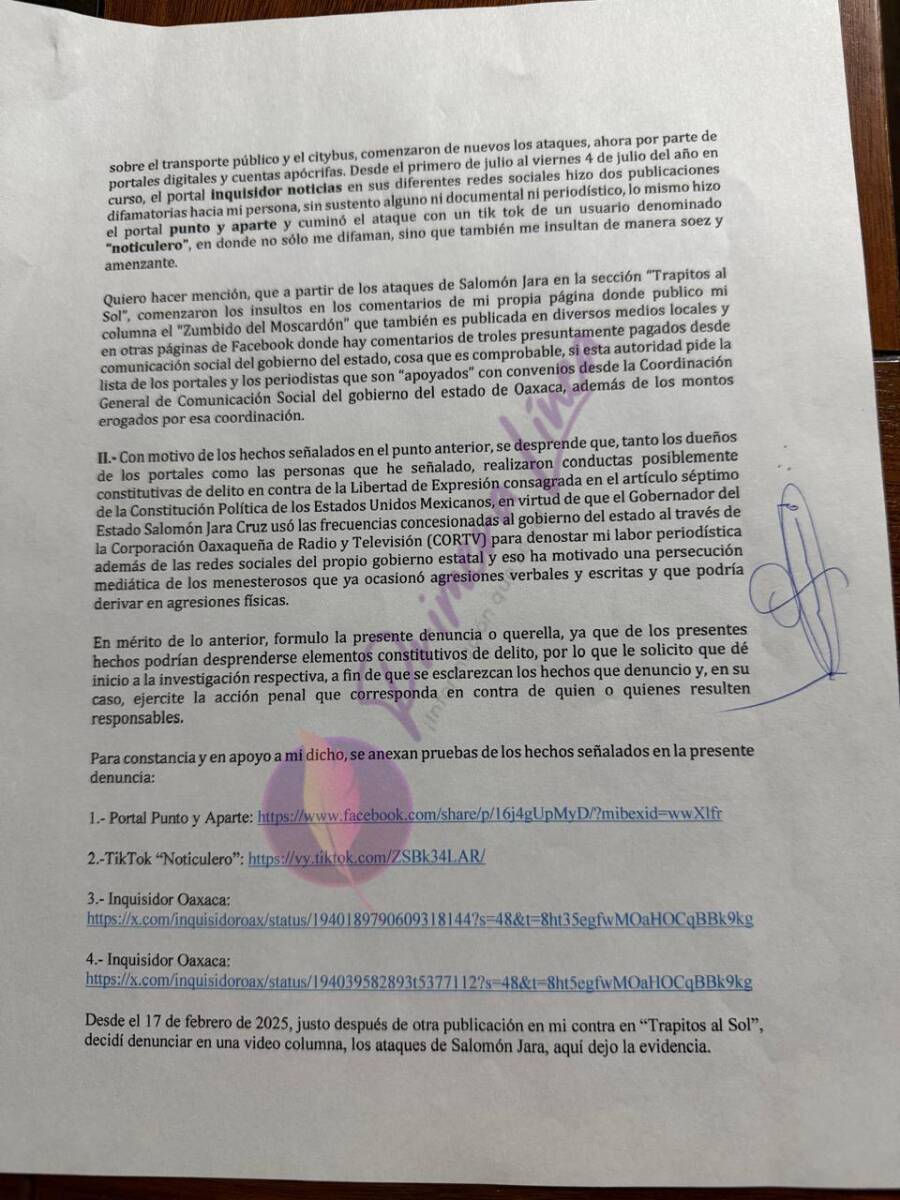
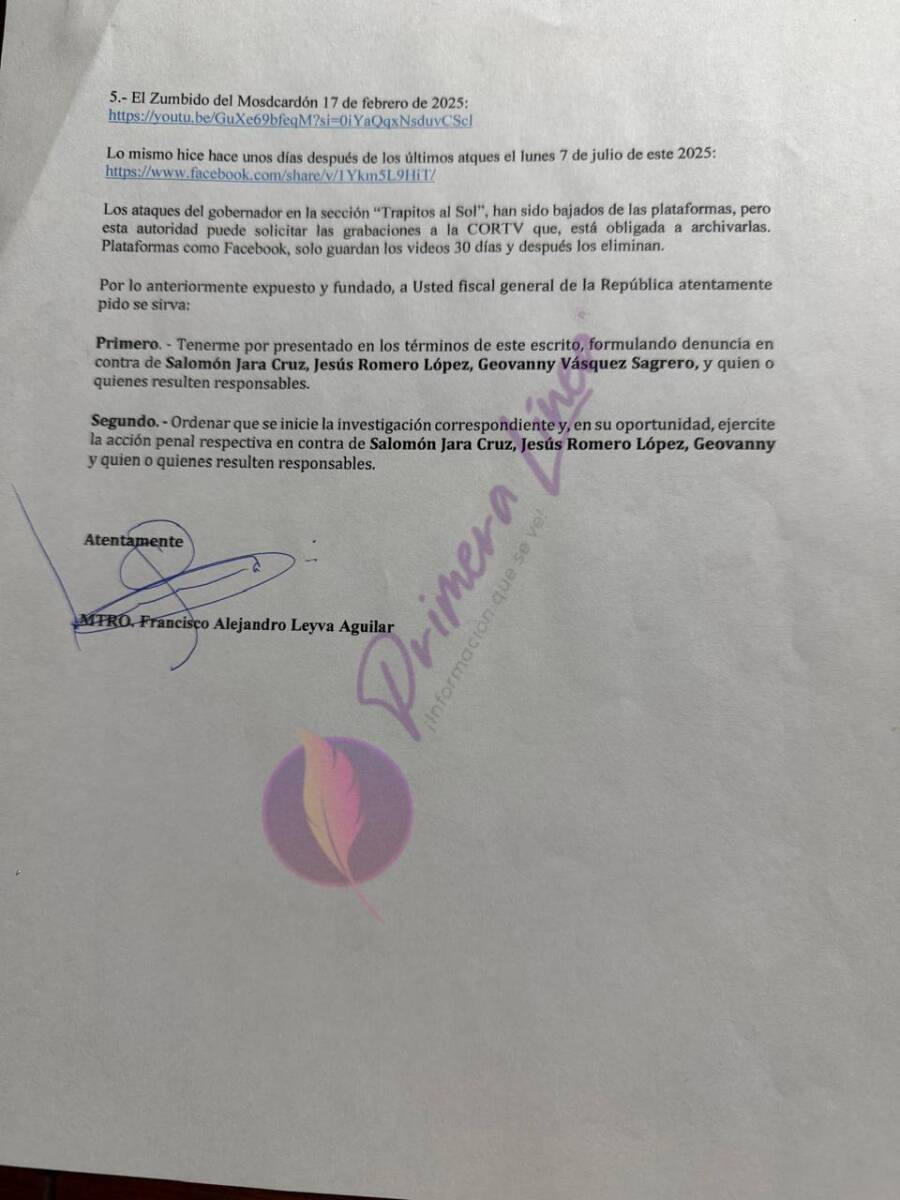
He also stated that he was attacked by online trolls allegedly coordinated through the Government of Oaxaca’s Office of Social Communication. His complaint includes links to the defamatory publications.
We are sharing a copy of that complaint so that public opinion and our readers can verify that Alejandro Leyva did not lie. He completed every legal procedure in search of federal protection, and neither the FGR nor the Federal Mechanism for the Protection of Journalists and Human Rights Defenders provided him with security, despite events spanning 2024, 2025, and 2026.
If, while Leyva Aguilar was alive, his complaints were minimized—just as they allegedly were by the Oaxaca State Human Rights Ombudsman, which he also petitioned—does anyone truly believe they will now provide answers after his death?
Please. They all failed him.
Where was the State when Alejandro said he felt threatened? Who evaluated the risk? Who decided that effective protection was unnecessary? Who believed the warnings could wait?
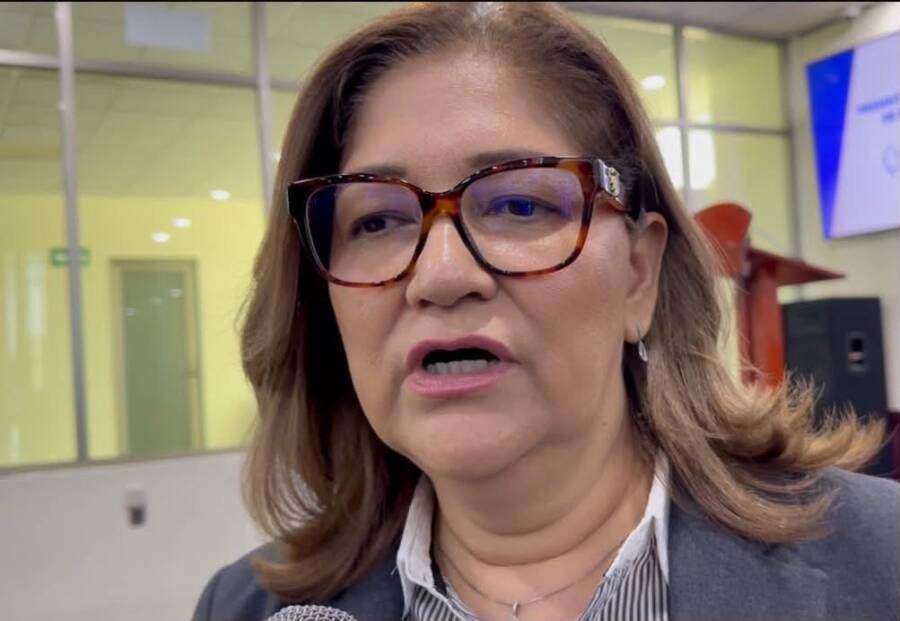
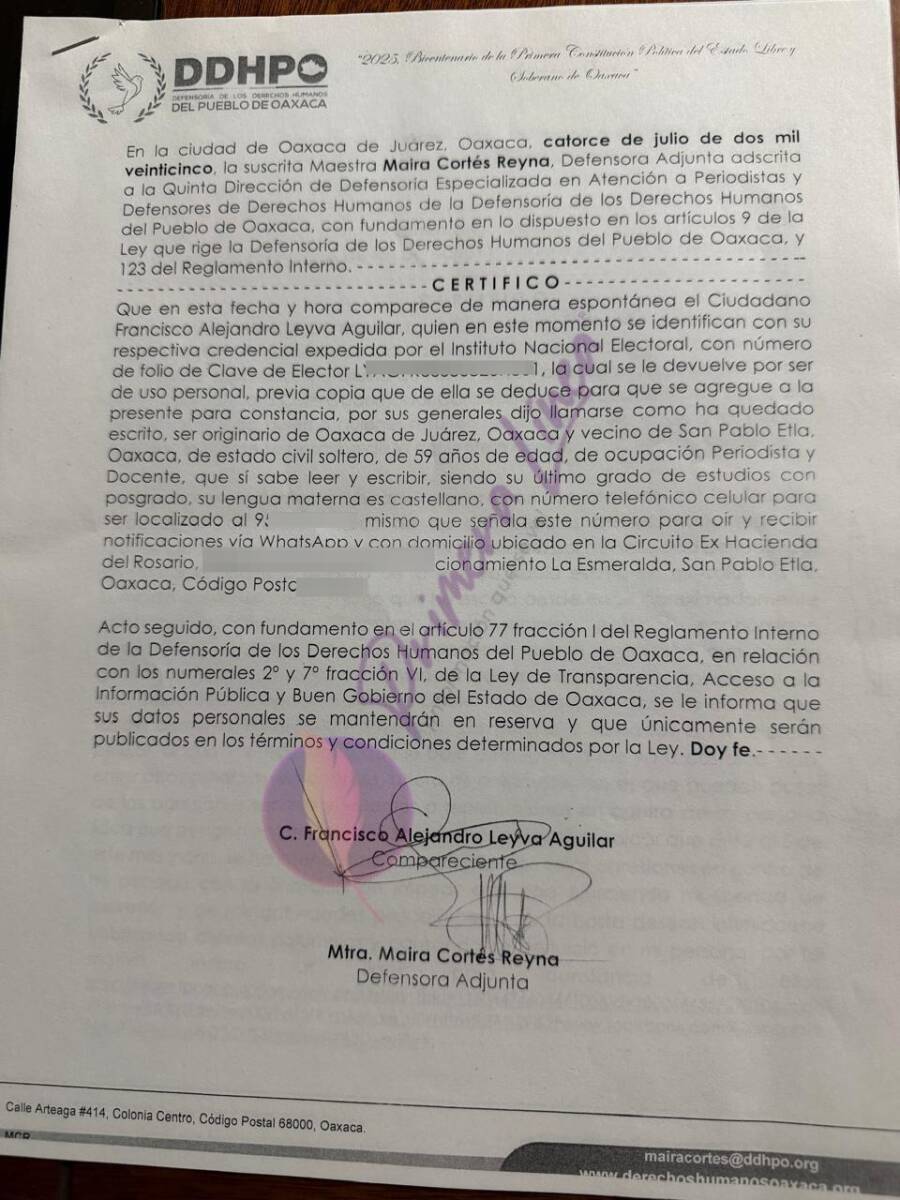
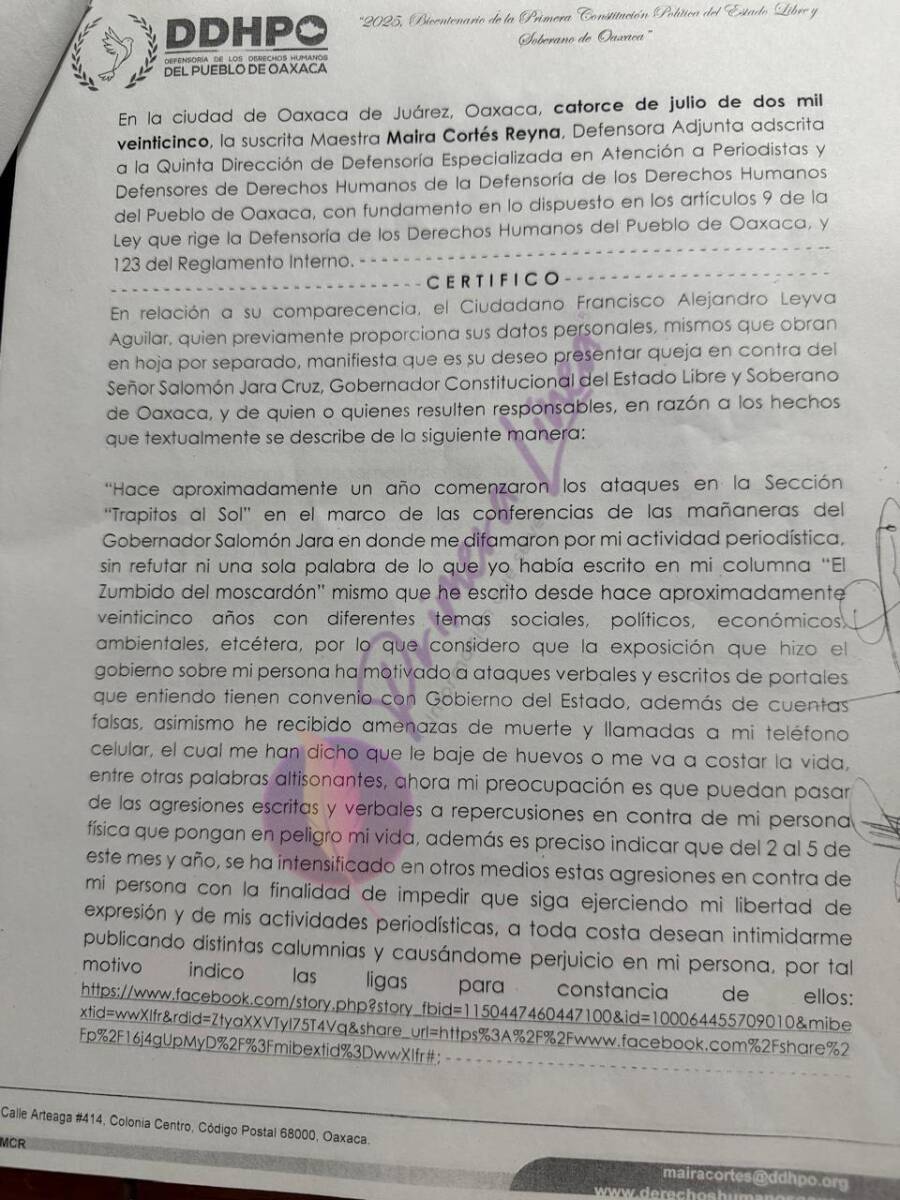
Journalists do not begin to need protection only after they are murdered. They need it from the moment threats begin to surround them. Everything else is merely rhetoric designed to manage the scandal.
It is offensive to hear official calls for caution from Salomón Jara and Jesús Romero when that same caution never appeared to protect someone who can no longer tell his own story.
Authorities ask the public to wait for the investigation, yet no one explains why the earlier warnings never received the same level of attention.
They demand trust in institutions, yet those same institutions—including the FGEO, the DDHPO, the FGR, and the Federal Ministry of the Interior (Segob)—failed precisely when they should have prevented the crime.
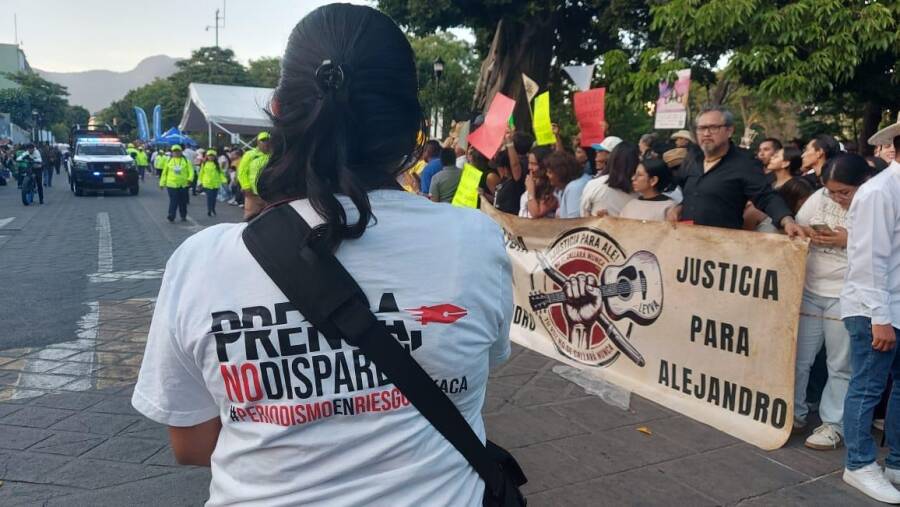
THE ALLEGED INTIMIDATION OF THE FAMILY
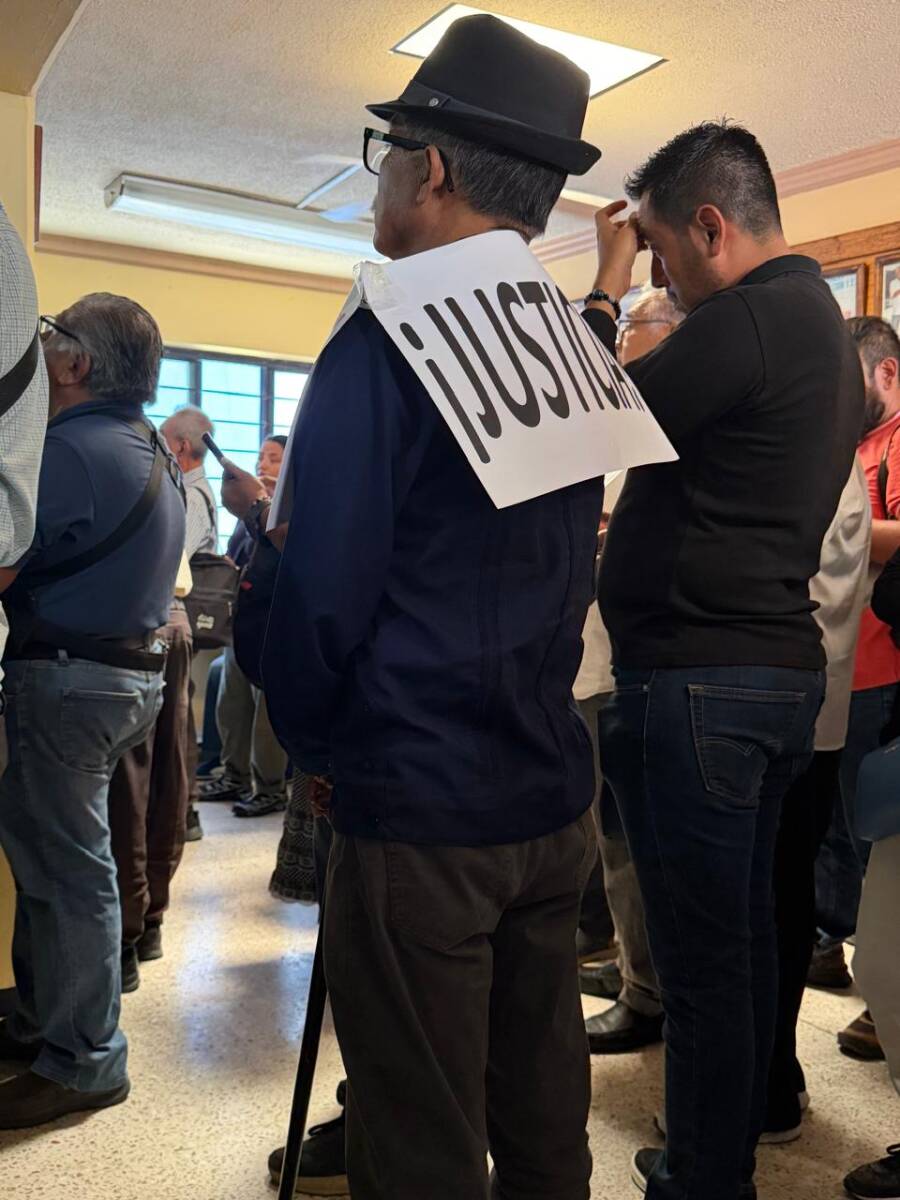
Even more disturbing are allegations that, while Alejandro’s family was demanding justice, they experienced acts of intimidation during a protest held during Oaxaca’s traditional Guelaguetza festivities.
Those reports send a chilling message: not even mourning is free from pressure.
According to the account presented, it was not enough for the journalist to be murdered; there was also an attempt to silence those demanding justice. Such actions, if proven, would represent a deeply troubling level of democratic deterioration.
A government that claims to stand with the people should be the first to guarantee that a grieving family can demonstrate without fear. Instead, what occurred has reinforced a growing perception that in Oaxaca, raising one’s voice increasingly requires courage. When citizens need courage simply to demand justice, it suggests that the State is no longer providing sufficient guarantees.
The article specifically accuses Pablo Gabriel Arnaud Ríos, legal director of the Secretariat of Government, of directing police intervention against demonstrators after the family reportedly declined a dialogue with Secretary Jesús Romero López.
Protesters also alleged that one of the individuals confronting them was carrying a firearm and that photographs were taken of young demonstrators in what they described as an apparent effort to identify or monitor them.
The family has reportedly requested that President Claudia Sheinbaum ensure these alleged acts of intimidation are incorporated into the federal investigation being conducted by the FGR.

The article further argues that federal prosecutors should pursue legal action against state officials for alleged abuse of authority and alleged violations of freedom of expression.
A CLIMATE OF FEAR FOR THE PRESS
Today, Oaxaca is described by many journalists as experiencing one of the most difficult environments for the press in its recent history.
According to the article, conversations inside newsrooms increasingly revolve around security protocols rather than investigative reporting.
Self-censorship is presented as the most damaging consequence of violence. It requires no official censor or authoritarian decree. It is enough for a reporter to hesitate before publishing an investigation out of fear of the consequences. It is enough for a news organization to remain silent to protect its staff. It is enough for a family to beg a journalist to stop investigating because they fear that person will not return home.
When that happens, democracy has already begun to lose.
Government officials often repeat that they respect freedom of expression. According to the article, those words ring hollow when journalists report threats yet remain completely unprotected.
Freedom of expression is not measured by press conferences or official statements. It is measured by the State’s ability to ensure that no journalist is forced to choose between informing the public and staying alive.
Alejandro Leyva Aguilar reported threats. He did so publicly. He expressed his concerns. He made allegations that now form part of the broader context surrounding his murder and that, according to the article, should be thoroughly investigated by the appropriate authorities. Ignoring that context, it argues, would turn the investigation into little more than a simulation.
The article concludes that society’s demand should not stop at identifying the alleged gunman. It argues that Oaxaca deserves to know who ordered, planned, financed, protected, and failed to prevent the crime.
Every murdered journalist represents a collective defeat. Every unsolved murder represents something even worse: the normalization of barbarism.
Promises of justice, the article argues, have been heard too many times before. What would truly be extraordinary would be to see those promises fulfilled—to uncover the complete truth, regardless of political consequences.
Oaxaca, it concludes, does not need more speeches about transformation while journalists continue to work in fear. It needs effective protection, independent investigations, and justice without exceptions.
The murder of Alejandro Leyva Aguilar marks a turning point—not only because of the brutality of the crime, but because it raises fundamental questions about the fragility of protections for journalists in Oaxaca.
If a journalist who repeatedly warned of threats ended up without effective protection and was later murdered, the message to the rest of the profession is devastating.
Governments change, public offices end, and speeches are forgotten. What remains is the memory of the victims and the responsibility of those who could have acted to prevent the tragedy but did not.
Remaining silent in the face of this crime, the article concludes, would mean accepting that fear has won. The demand, it says, must remain unwavering: the full truth, an independent investigation, real protection for journalists, and justice without exceptions.
In Oaxaca, the article concludes, it is no longer only the lives of journalists that are at stake—it is the right of society itself to continue hearing free and independent voices.
Source: primeralinea