
Combat the expansion of communism and radical labor movements.
Defend a nationalist vision of the Mexican state.
Oppose the Cárdenas administration’s policies, which were viewed as being aligned with left-wing organizations.
Preserve what they considered the nation’s traditional values.
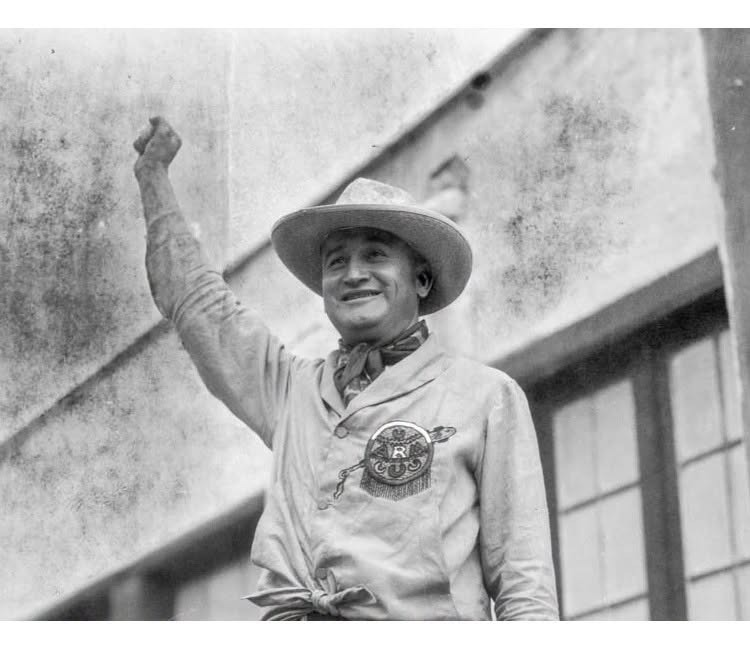
From their first major public rally, held on July 12, 1934, at the Alameda in Mexico City, the Gold Shirts (Camisas Doradas) became involved in clashes with labor unions, communists, and agrarian organizations. Their activities raised concern within Congress and the National Revolutionary Party (PNR), while left-wing groups denounced them as an expression of Mexican fascism.
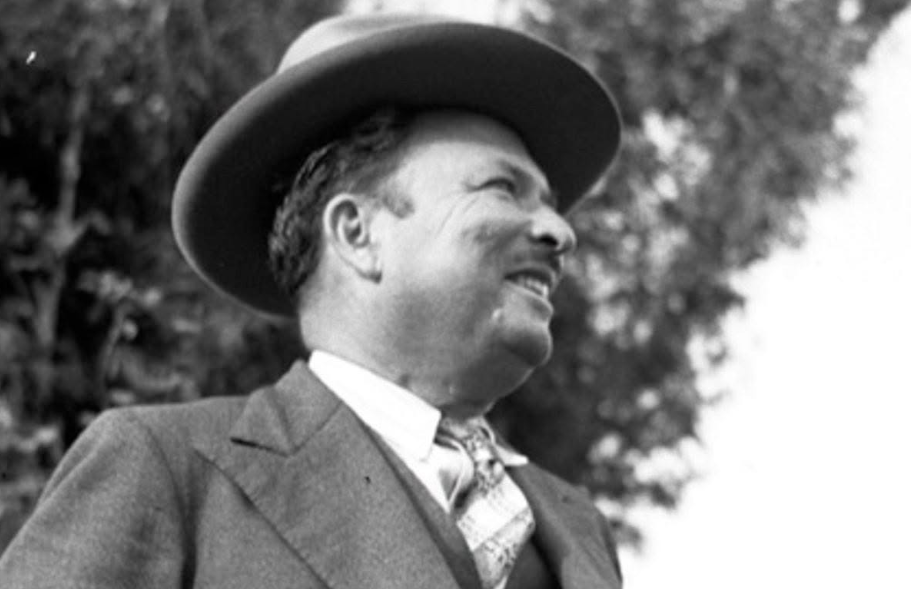
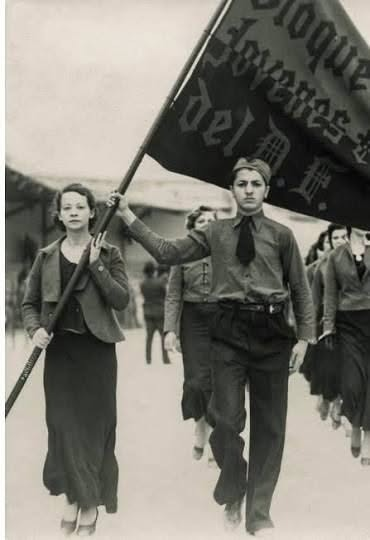
At the opposite end of the political spectrum were the Red Shirts (Camisas Rojas), an organization founded in 1933 by Tabasco politician Tomás Garrido Canabal. Their origins were closely linked to the strong anticlerical movement that emerged after the Mexican Revolution and the effort to eliminate the influence of the Catholic Church from public life.
Garrido Canabal believed that religion was an obstacle to social and revolutionary progress. As a result, he organized groups of militants who carried out aggressive campaigns against religious institutions by closing churches, destroying religious images, and harassing priests and worshippers.
Their main objectives were:
- Strengthen the secular character of the Mexican state.
- Combat the political and social influence of the Catholic Church.
- Promote an education based on socialist and rationalist principles.
- Defend the achievements of the Mexican Revolution against conservative sectors.
The organization gained national attention when its members opened fire on a group of Catholics in Coyoacán Plaza, an incident that caused a major public scandal and led to the group being declared illegal in 1934.
An Era of Political Polarization
Amid this climate of polarization, the confrontation that took place in Guadalajara on August 2, 1936, symbolized the clash between two radical visions for Mexico.
On one side, the Gold Shirts promoted an authoritarian and strongly anti-communist nationalism. On the other, the Red Shirts represented an extreme form of revolutionary anticlericalism inspired by Garrido Canabal’s ideology.
Guadalajara, traditionally identified with strong Catholic and conservative values, provided a particularly sensitive setting for this conflict. The confrontation was the result of months of growing political tensions and the increasing presence of militant groups attempting to impose their ideas through street mobilization and violence.
More than a simple fight between rival organizations, the incident reflected the deep ideological divisions affecting Mexico during the 1930s: communism versus anti-communism, secularization versus religious influence, and social revolution versus conservative nationalism.
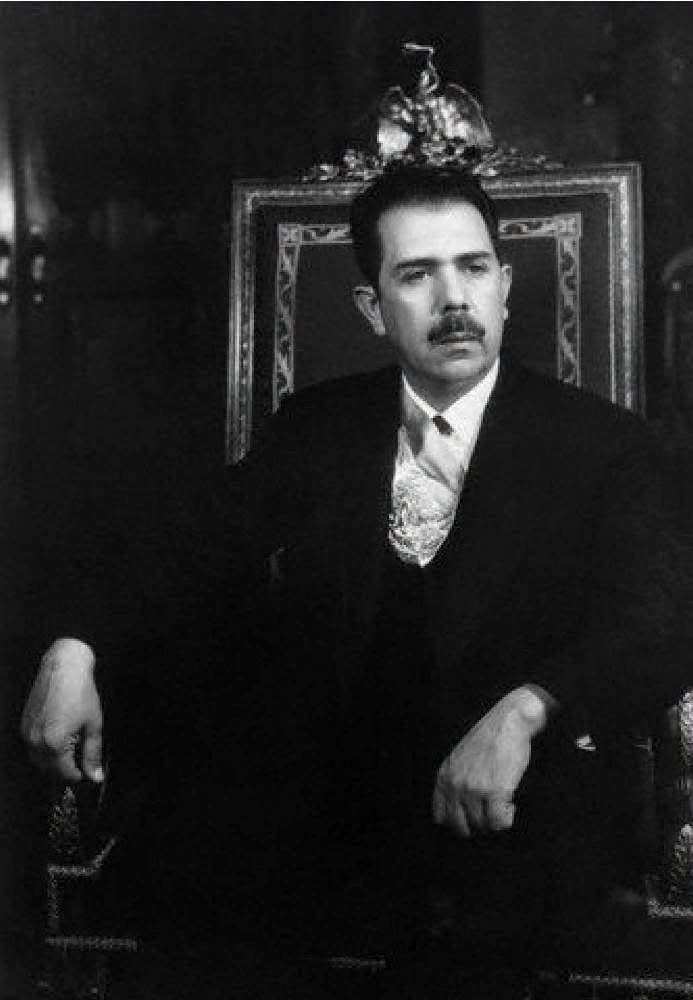
The government of Lázaro Cárdenas became increasingly concerned about the growth of paramilitary organizations that threatened national stability. Following several violent episodes involving the Gold Shirts, President Cárdenas decided to take decisive action against the movement.
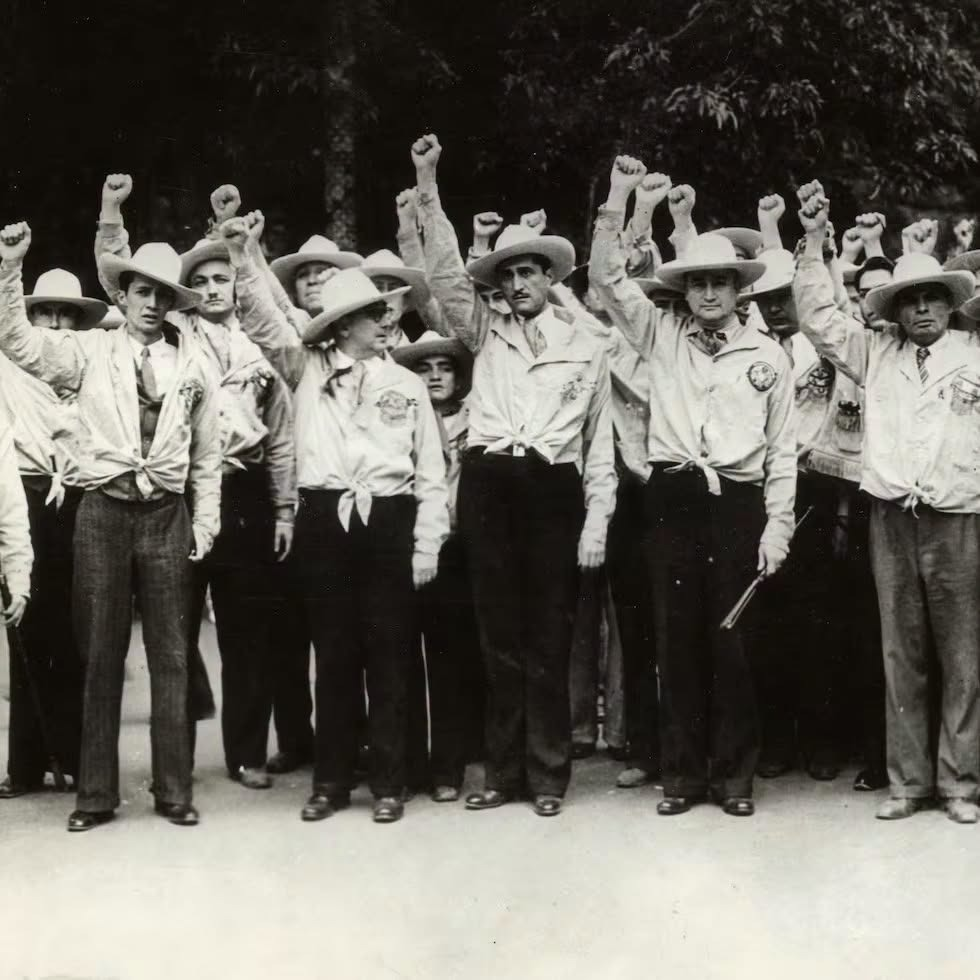
In August 1936, Nicolás Rodríguez Carrasco was expelled from the country, and the Mexican Revolutionary Action (Acción Revolucionaria Mexicanista) quickly began to disintegrate. Shortly afterward, the organization was dissolved, bringing an end to one of the most visible expressions of the Mexican far right during that period.
The confrontation between the Gold Shirts and the Red Shirts in Guadalajara remains a representative episode of the intense political polarization that characterized Mexico during the 1930s. Although the two organizations held opposing ideologies, they shared aggressive methods of mobilization and embraced radical visions of social transformation. The Cárdenas administration’s response sought to prevent these groups from further fueling political violence and to reaffirm the authority of the Mexican state over movements that threatened to bring the ideological conflicts shaking the world into the nation’s streets.
Source: mexicodailypost