
Sonora River: Twelve Years Without Full Remediation
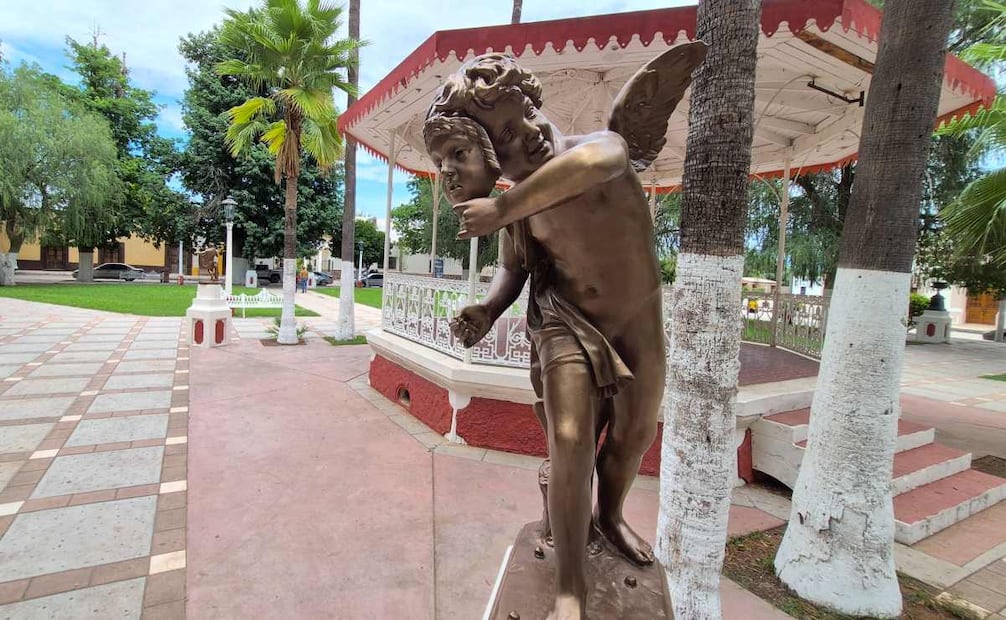
In the main square of Ures, no one talks about the river’s contamination as something from the past. They speak of it as a threat that is still present, even though it can no longer be seen.
Under the shade of the ceiba trees, residents repeat a phrase that summarizes the feeling throughout the region: “The water can no longer be trusted.”
“We no longer drink tap water. We only drink purified water,” says Ricardo Reyes as he watches the activity around the kiosk. Other residents around him nod in agreement. The conversation repeatedly returns to illnesses, unfulfilled promises, and the feeling that time has passed without the promised remediation ever arriving.
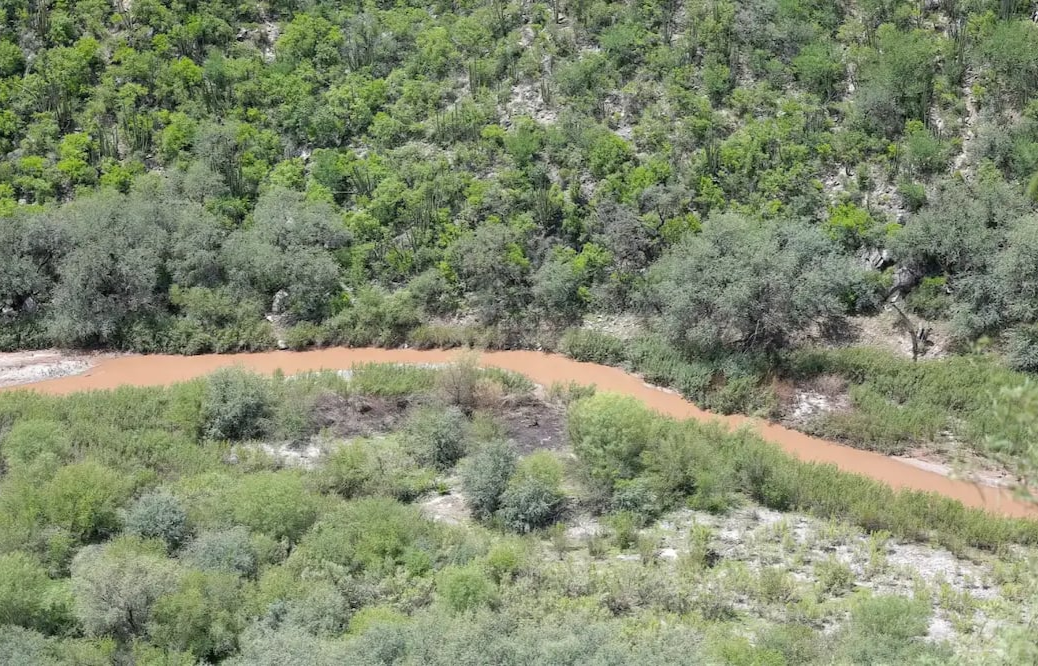
On August 6, 2014, more than 40 million liters of acidified copper and other toxic metals—including copper, arsenic, aluminum, cadmium, chromium, iron, manganese, and lead—were discharged from a containment pond at the Buenavista del Cobre mine, owned by Grupo México, into the waterways of the Bacanuchi and Sonora rivers. Authorities determined that the levels of these substances exceeded environmental regulations.
The contamination traveled through the municipalities of Cananea, Arizpe, Banámichi, Huépac, San Felipe de Jesús, Baviácora, Aconchi, and Ures, eventually reaching the rural area of Hermosillo.
The toxic substances traveled 17.6 kilometers along the Las Tinajas stream, 64 kilometers along the Bacanuchi River, and 190 kilometers along the Sonora River, eventually being contained by the El Molinito Dam, which supplies drinking water to thousands of residents of Hermosillo.
The spill affected more than 22,000 residents, in addition to causing economic losses in agricultural, livestock, and commercial activities.
The Grupo México disaster in the Sonora River: twelve years later, environmental and social debts continue. Photo: Javier Escobar
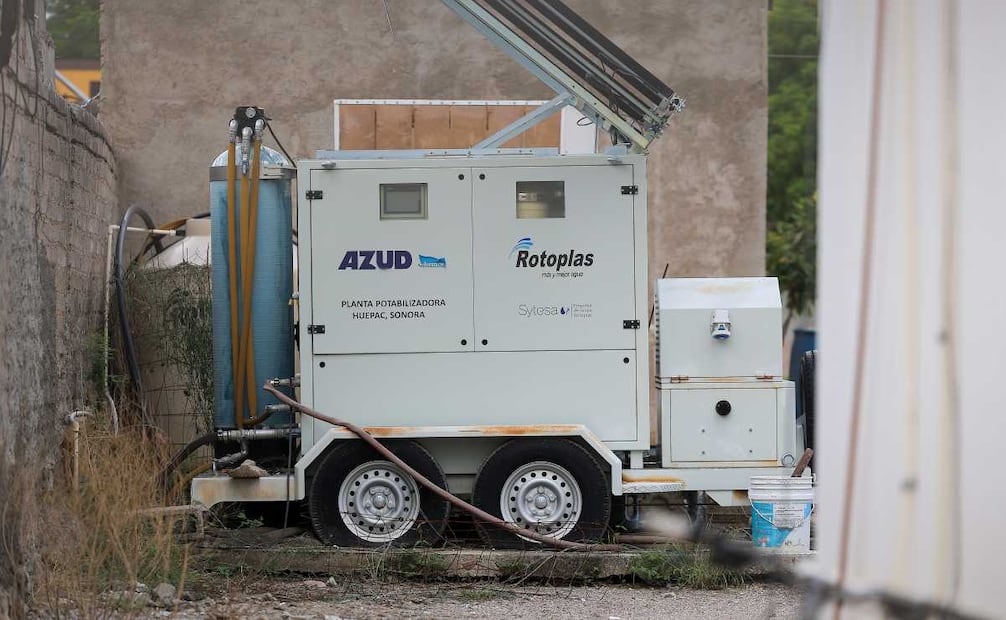
Twelve years later, the debate is no longer focused on the accident itself, but on its consequences. The reddish color has disappeared, but the uncertainty has not. In Banámichi, residents say that there were two water treatment plants and that no one knows where they ended up. In Huépac, one of them remains abandoned in a municipal government yard, rusting alongside the official promises.
Calls for Monitoring
The concerns are not limited to the water. They also extend to the healthcare system.
Sonora River: twelve years without remediation. Photo: Javier Escobar
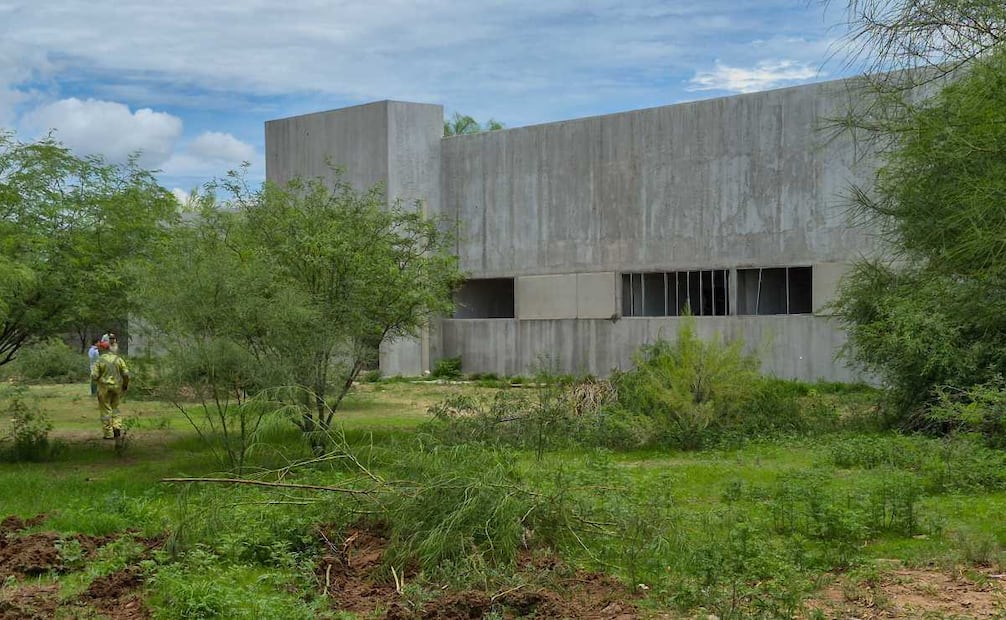
“The hospital is desperately needed. There are people who have to travel all the way to Hermosillo to receive medical care,” says Manuel López, pointing to the site where the Sonora Epidemiological and Environmental Surveillance Unit (UVEAS) was left unfinished. The facility had been announced after the spill to provide medical monitoring for the population exposed to contaminants.
“They only made promises. That’s all that remains,” he says.
El Universal confirmed that workers are dismantling the area where authorities had laid the foundation stone for a new hospital for the region.
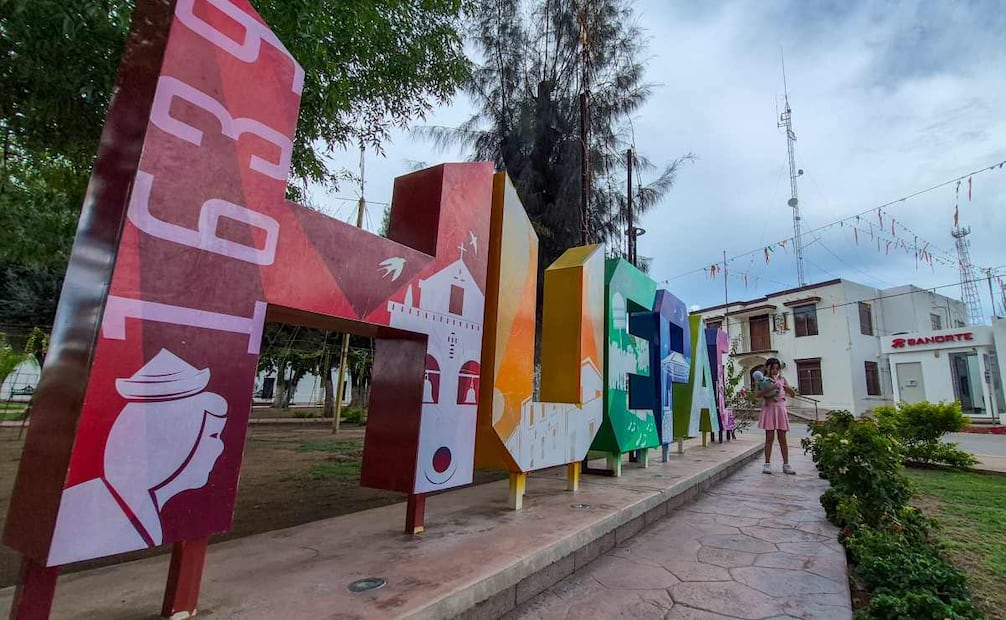
“The water can no longer be trusted,” residents say. Photo: Javier Escobar
Residents insist on the need for regular laboratory studies to determine their health conditions.
In September 2023, the Ministry of Environment and Natural Resources (Semarnat) concluded that the remediation actions undertaken after the spill had been insufficient and that impacts persisted in water, sediments, flora, and fauna.
For residents, that assessment merely confirmed what they have been reporting for more than a decade.
“The contamination will remain forever. What we want is for them to stop coming here making promises and start solving the problems,” says Roberto Alonso, a resident of Huépac.
The Resources
Dissatisfaction also extends to the trust fund created by Grupo México to address the emergency.
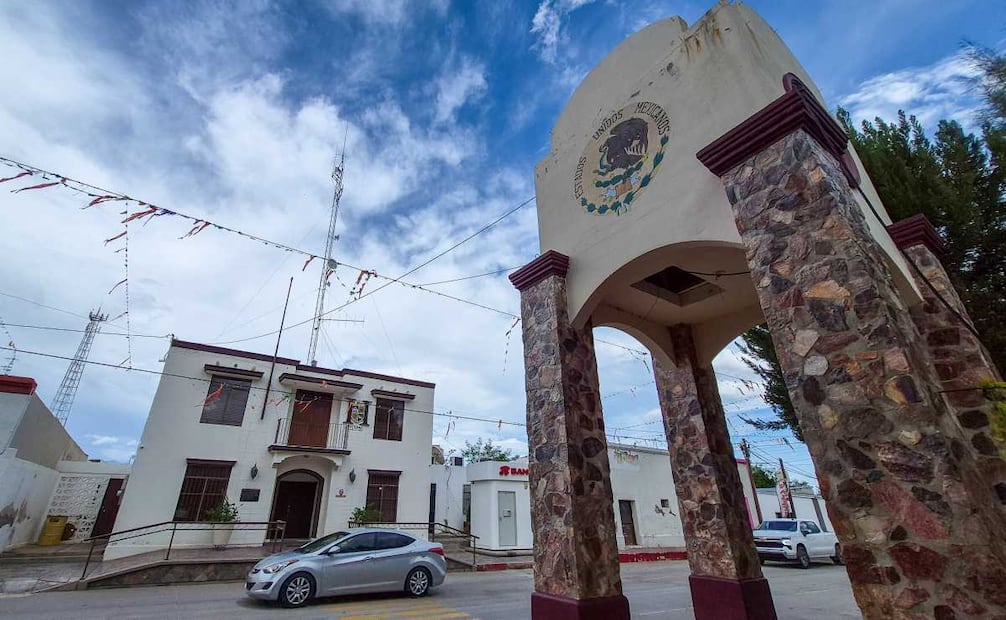
“The hospital is desperately needed. There are people who have to travel all the way to Hermosillo to receive medical care,” says Manuel López. Photo: Javier Escobar.
The fund, worth 2 billion pesos, was terminated in 2017 after slightly more than 60% of the committed resources had been spent, leaving unfinished projects and unaddressed demands.
In December 2025, the federal government presented the Justice Plan for the Sonora River, based on three main areas: healthcare, access to drinking water, and environmental remediation.
The project includes the construction of the Ures Regional Hospital, with toxicology services and a laboratory for heavy-metal analysis, as well as 16 water treatment plants and permanent monitoring of water quality.
The announcement was met with caution.
“People no longer want speeches. They want results,” says Rafael Valdez in the main square of Banámichi.
Latent Risk
Antonio Romo Paz, a member of the Sonora River Basin Committee and former academic at the University of Sonora, warns that the problem is not only contamination but also the lack of institutional coordination.
“Heavy metals do not disappear. Some go into the sediments, others into groundwater, and others enter the human body. This is not a three-year problem; it requires 20 or 30 years of monitoring,” he says.
He also warns that heavy rainfall can mobilize the metals again and increase their concentration during certain periods.
“There may be wells that remained clean for several years and then begin showing metals again. That is why permanent monitoring is necessary,” he explains.
For the specialist, the solution is not simply to build a hospital.
“We need a comprehensive environmental health program. People’s health depends on the health of the environment,” he says.
The River Basin Committees maintain that solutions continue to arrive too late and that communities remain exposed to risks resulting from contamination.
The Grupo México disaster in the Sonora River: twelve years later, environmental and social debts continue. Photo: Javier Escobar.
They also question the lack of transparency regarding agreements, budgets, and responsibilities related to the new hospital and the care of the affected population.
Another issue they consider concerning is the loss of medical records belonging to some of the first people treated after the spill, as well as the lack of information regarding the medical follow-up that those requiring specialized care will receive.
Twelve years later, the visible contamination has disappeared. The invisible contamination remains present in scientific studies, legal disputes, and, above all, in the memory of those who continue to live alongside the river.
The Hospital’s Foundation Stone
On August 5, the Government of Mexico and the Government of Sonora began construction of the Sonora River Regional Hospital in the municipality of Ures, one of the projects considered central to the Justice Plan for the communities affected by the contamination recorded in 2014.
Governor Alfonso Durazo Montaño stated that the beginning of construction represents a response to a historic demand from families in the region, who for more than a decade have requested specialized medical care, toxicological monitoring, and permanent environmental remediation efforts.
As part of the anniversary of the spill, representatives of the Sonora River Basin Committees acknowledged that the start of construction represents progress in the struggle undertaken by the affected communities. However, they criticized what they described as chronic impunity on the part of Grupo México.
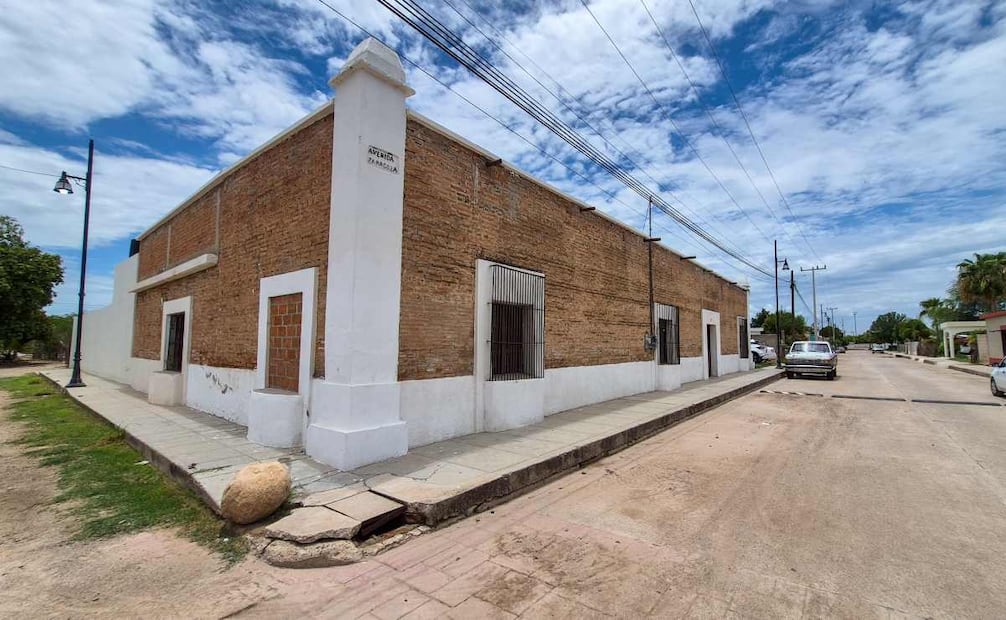
Sonora River: twelve years without remediation. Photo: Javier Escobar.
Twelve years after the spill that affected an entire generation of residents of the basin, the communities are once again hearing a promise of specialized medical care.
The difference, residents and social representatives say, is that this time they are demanding results rather than another monument to abandonment.
The hospital announced after the environmental disaster was never completed and became a symbol of the State’s historic debt to thousands of people exposed to contamination.
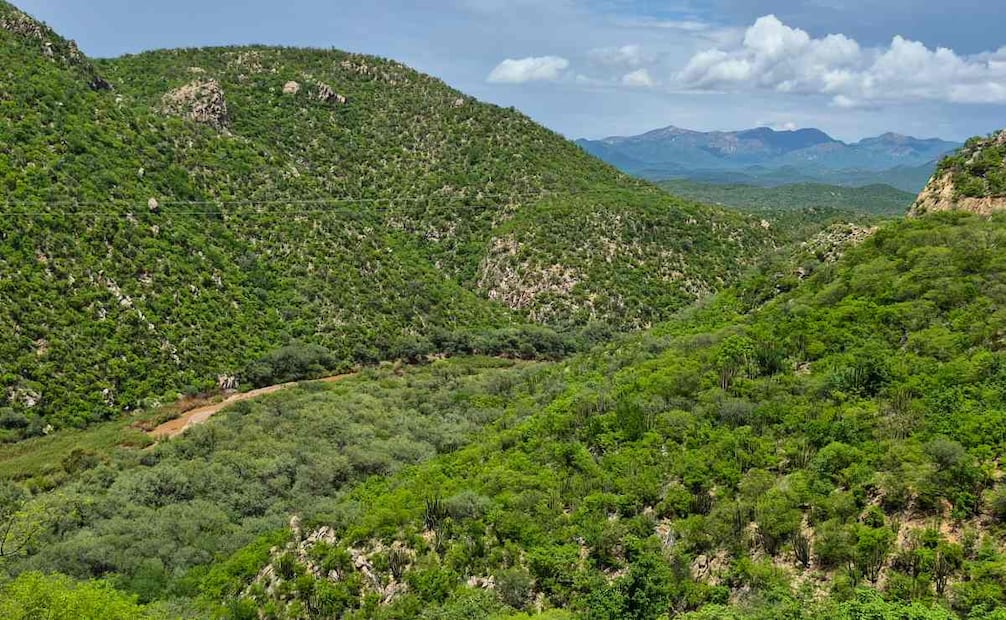
Sonora River: twelve years without remediation. Photo: Javier Escobar.
Therefore, the beginning of this new project does not erase a decade of broken promises, delays, and distrust. It will only be when the hospital is completed, equipped, and operational that the families of the Sonora River can truly speak of justice rather than another government promise.
They stated that, in addition to medical care, they continue to demand environmental remediation efforts, water monitoring, and comprehensive compensation and restoration for the damage caused by contamination from the Buenavista del Cobre mine.
Source: eluniversal