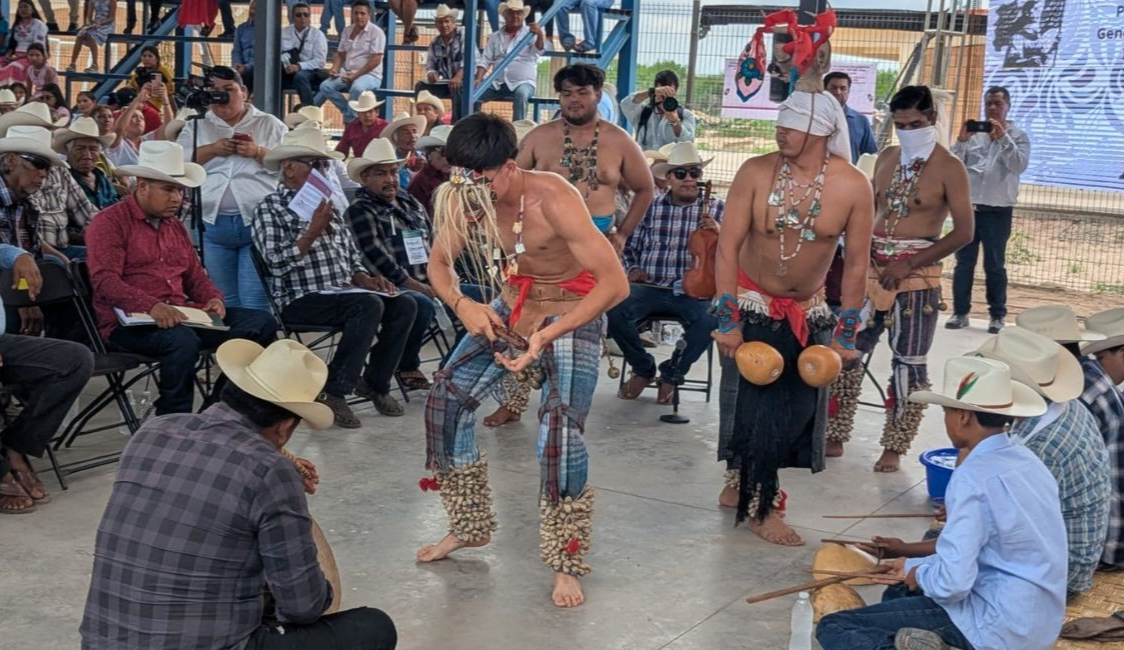

Although the world celebrates today the International Day of Indigenous Peoples, more than a date, daily efforts to address their needs and the creation of public policies with development that strengthen identity and empowerment are required, representatives of the various ethnic groups of Sonora agreed.
As is known, in December 1994, the United Nations Organization (UN) established August 9 as the International Day of Indigenous Peoples to recognize the rights, languages, and cultures of the world’s Indigenous communities.
According to the 2023 National Survey of Demographic Dynamics (ENADID), conducted by the National Institute of Statistics and Geography (INEGI), in Mexico 39.2 million people identified themselves as Indigenous, distributed among different ethnic groups established throughout the country.
Sonora has eight Indigenous peoples and a population of Indigenous-language speakers exceeding 50,000 people.
The main groups are the Yaquis, Mayos, Seris (Comca’ac), Guarijíos, Pimas, Pápagos (Tohono O’odham), Cucapás, and Kikapús, settled in the northern, central, and southern parts of the state.
More Daily Actions Are Required
Alberto Mellado Moreno, communal land president of the Seri or Com’Caac people, pointed out that the commemoration of the International Day of Indigenous Peoples opens a chapter for members of each community in which they must act with great responsibility while continuing to demand the fulfillment of their rights and attention to their historical debts.
“There should be a Justice Plan in different regions of the country, because it helps us understand how great the debt is with all the populations; there are some plans that involve Indigenous peoples residing in different states, so joint efforts are made to contribute to a particular Indigenous people,” he mentioned.
In turn, Abel Alfredo Ramírez Torres, first member of the Administration and Oversight Committee of the Fund for Contributions to Social Infrastructure for Indigenous and Afro-Mexican Peoples (Faispiam), stated that members of the Mayo ethnic group are requesting the empowerment and revitalization of Yoreme culture as part of this commemoration.
He pointed out that rather than simply celebrating an International Day, authorities should provide daily follow-up to the needs of Indigenous communities in southern Sonora.
“This day serves to remind us of the rights of Indigenous peoples, but more important would be for different actions to be guided every day to revitalize and strengthen our Yoreme Mayo culture,” he stated.
Laws in Sonora
Ramírez Torres, who is also president of the organization “Jiapsi Yoreme,” reported that since 2010, the state of Sonora has had an Indigenous Law, which initiated the creation of a State Commission for the Development of Indigenous Peoples; however, more work is still needed to guarantee respect for Indigenous rights and better development.
“A tremendous amount of work is needed. We must join efforts from within the family to the last agency focused on defending the rights of Indigenous peoples… But above all, public policies with development and identity must be created, where the origin and identity of being Yoreme are empowered,” he expressed.
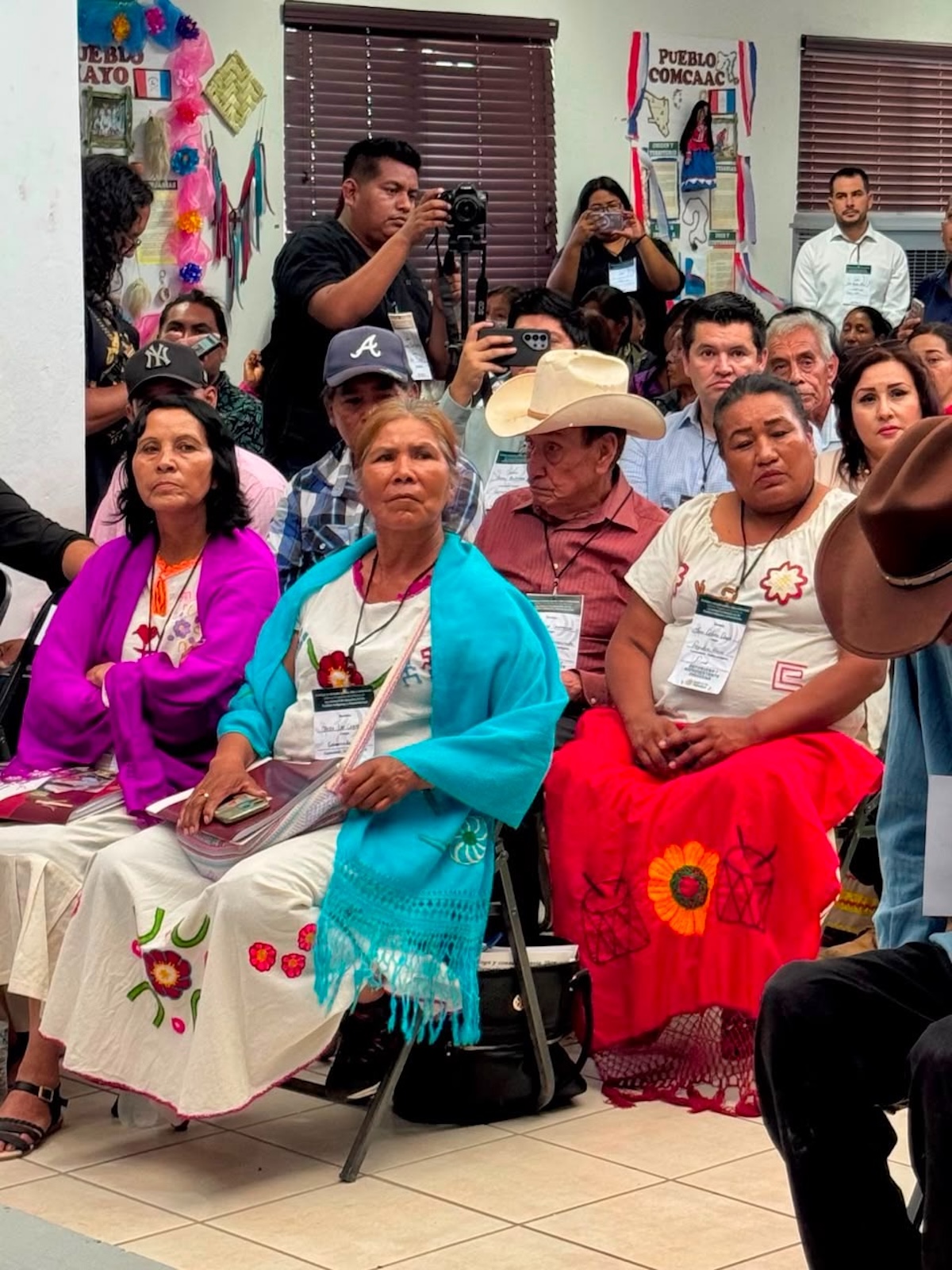
Ramírez Torres explained that in recent years, investment projects in education, housing, and public services have been successfully developed in favor of Indigenous communities; however, he considered that investment is still needed in projects that guarantee access to drinking water.
“It is part of the Justice Plan, but in terms of infrastructure, more projects are needed to restore the constitutional right that is access to water, which to this day we still lack in some areas. It is a problem that overwhelms the communities,” he emphasized.
Government Priorities
José Martín Vélez de la Rocha, general coordinator of the State Commission for the Development of Indigenous Peoples and Communities of Sonora, stated that developing education, employment and entrepreneurship opportunities, as well as upholding basic human rights in the Indigenous communities and peoples of Sonora, are priorities for state authorities and Indigenous communities in the short and medium term.
He recalled that, initially, the Justice Plans for Indigenous and Afro-Mexican peoples, first implemented during the administration of former President Andrés Manuel López Obrador (AMLO) between 2018 and 2024, were the first policies aimed at reversing the basic deficiencies affecting these communities and that, currently, under the administration of President Claudia Sheinbaum, their demands continue to be upheld in legal and human rights matters.
“At the request of Governor Alfonso Durazo, this justice policy, which began with the Yaqui people, was expanded and later extended to the Guarijío, Mayo, and Seri, or Com’Caac, peoples,” he pointed out. “There is significant progress in each of these plans, and as part of this celebration of Indigenous peoples, we organized assemblies to analyze the Law on the Rights of Indigenous Peoples,” he explained.
There Is Still Work to Be Done
Janethe Sofía Herrera Ambrosio, director of Rights of Indigenous and Afro-Mexican Women at the National Institute of Indigenous Peoples (INPI), stated that the Justice Plan has made it possible to address demands that remained unanswered for decades among Indigenous peoples, although she acknowledged that the progress is still insufficient to resolve the historical needs of these communities.
Within the framework of the International Day of Indigenous Peoples, the official highlighted that the Yaqui people were the first to have a Justice Plan and that there are currently 21 programs of this type in the process of implementation.
She pointed out that, in the case of the eight Yaqui communities, results can already be observed in different areas, including health, education, water, land, infrastructure, and productive projects.
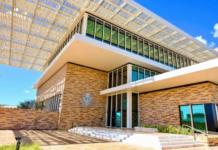
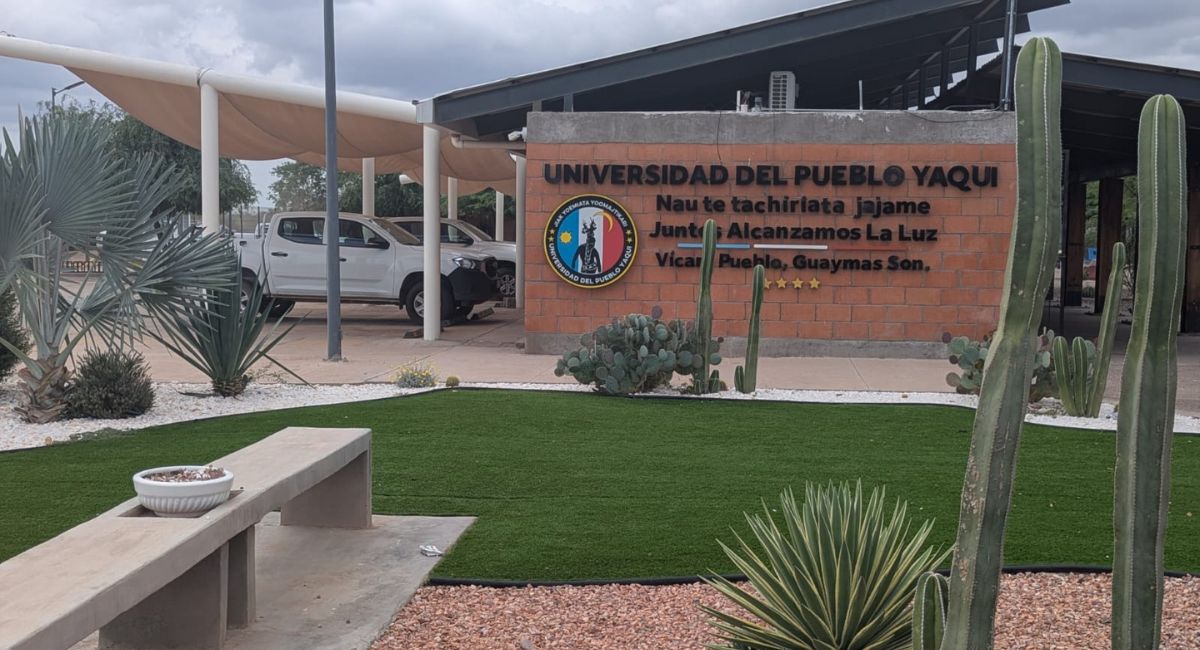
As an example, she mentioned the Yaqui People’s University, a space she considered one of the concrete results of the Justice Plan, in addition to the artisan roads that have been developed in the communities.
Herrera Ambrosio acknowledged, however, that there is still work to be done, since the needs of Indigenous peoples are extensive and for years they remained outside the attention of institutions.
“There has been very significant progress; however, it is not enough,” she stated, considering that the plans must continue advancing until more comprehensive attention is achieved for the communities.
The official maintained that the challenge is not limited to completing projects, but rather to maintaining permanent attention that makes it possible to respond to the needs of Indigenous peoples and prevent them from once again being left out of decisions and public policies.
Source: tribuna