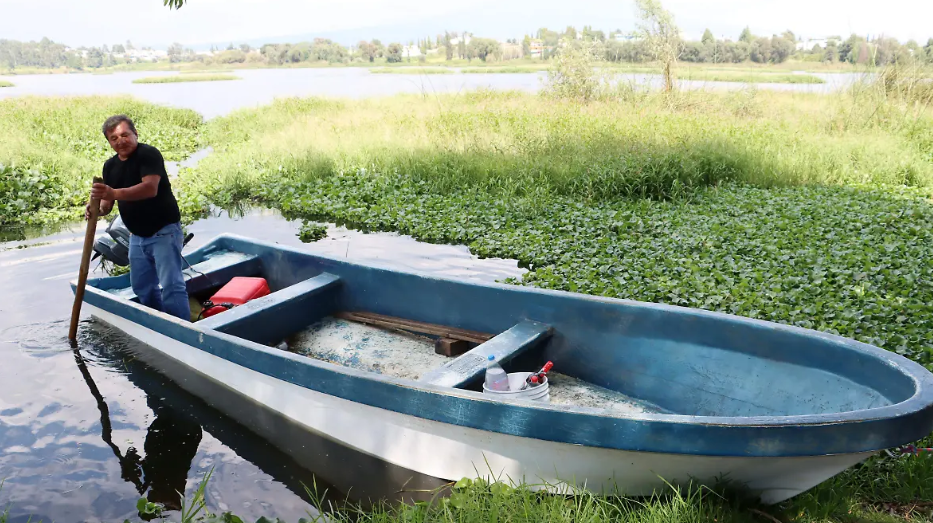

Just three years ago, the Acuitlapilco Lagoon was on the verge of disappearing. Drought reduced its size to a landscape of cracked, dry earth.
Today, the wetland is experiencing a new stage. Located just 10 minutes from the capital of Tlaxcala, between the municipalities of Tlaxcala, Santa Isabel Xiloxoxtla, and Tepeyanco, it offers nearly 100 hectares of open water and has become one of the most visited natural areas by families in the state.
The recovery is the result of work carried out by the Tlaxcala City Government, the Infrastructure Secretariat, CONAGUA, the State Environment Secretariat, organized fishermen, and community environmental groups such as Patos Verdes.
The cleaning and removal of sediment from ravines, the delimitation of the lake basin, and the construction of a recently paved two-kilometer road allowed runoff to once again feed the lagoon and made it easier for visitors to access the area throughout the year, including during the rainy season.
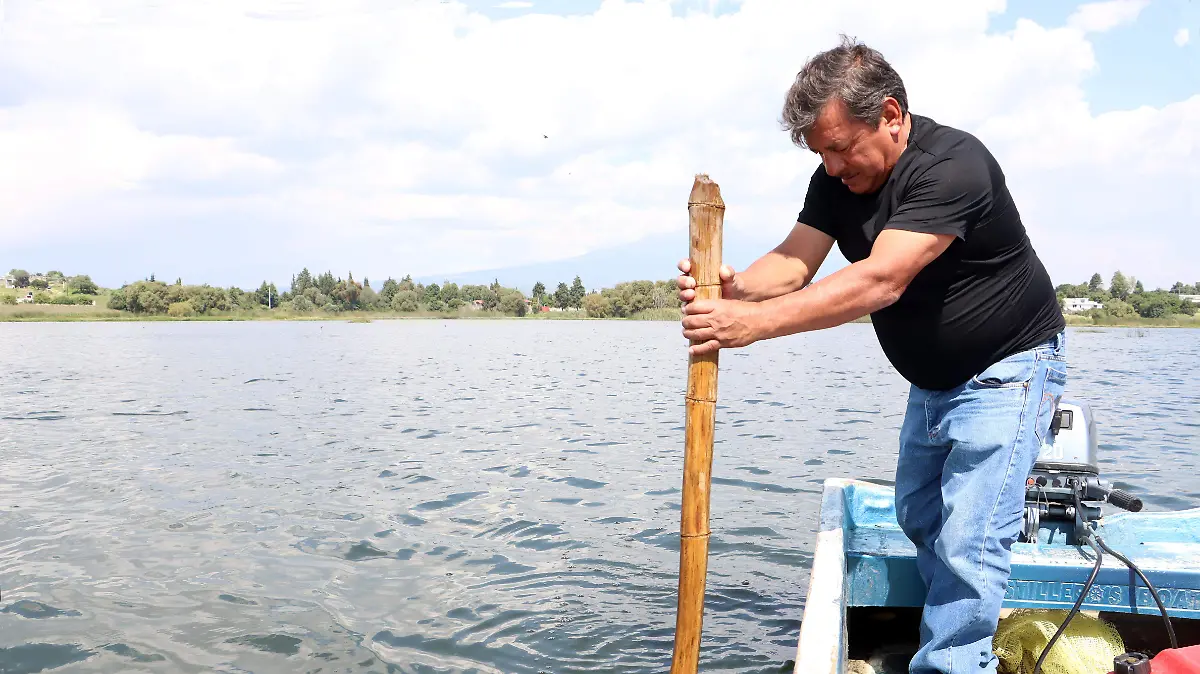
During a boat tour conducted by El Sol de Tlaxcala, José Raúl Sánchez Escobar, president of the Acuitlapilco Fishing Cooperatives Society, showed the transformation of the wetland and the refuge it provides for migratory birds.
In much of the open water, practically no PET plastic waste can be seen, and areas that remained dry several years ago now have depths of up to 1.70 meters, while the section near Xiloxoxtla reaches depths of up to six meters.
“The rains have been a blessing. The lagoon is now approximately at 90% of its capacity, and we trust that the rainy season will allow us to recover even more of its water level,” he stated.
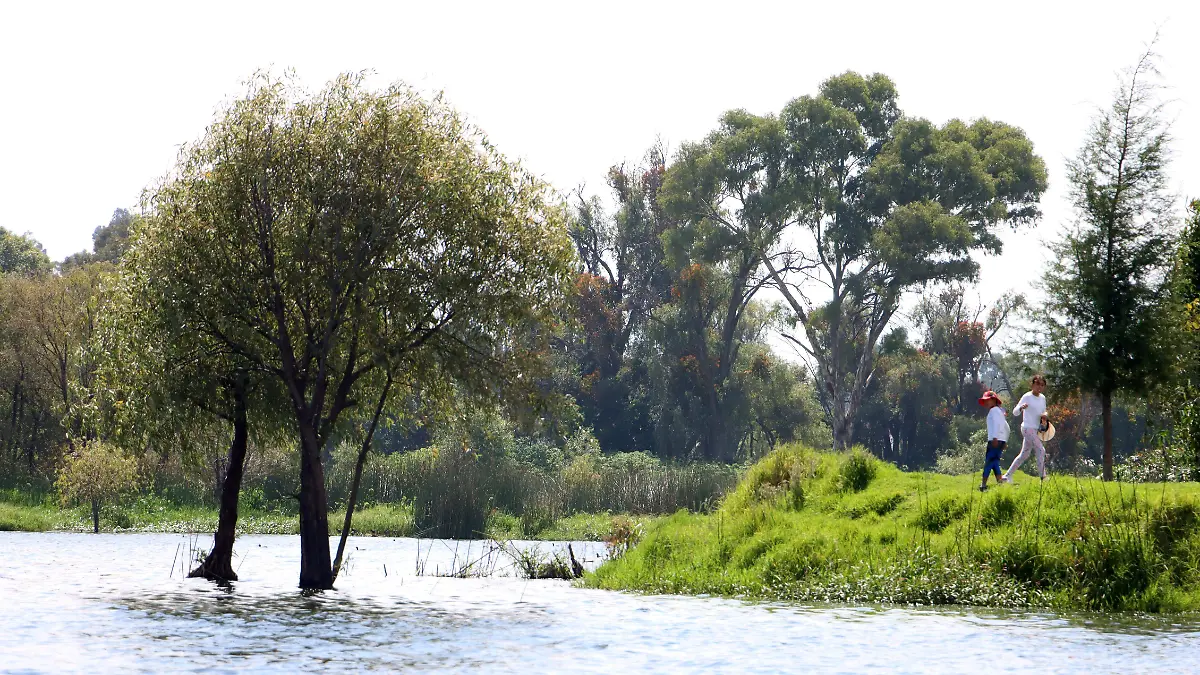
He estimated that approximately 5,000 people currently visit this ecosystem every month to take boat rides, practice sport fishing for tilapia, walk along trails, participate in mountain biking, compete in athletic races, take outdoor spinning sessions, and go on morning and evening walks.
Sánchez Escobar explained that the recovery began in 2023 with the delimitation of the lagoon and the removal of sediment from the ravines that had remained blocked for years.
Previously, rainwater spread across agricultural land. Today, thanks to the rehabilitation of these natural waterways, runoff from the surrounding hills once again feeds the reservoir.
“It has been an intense effort, but today we can see the results. The lagoon has filled up again, and we will continue working to preserve it,” he stated.
The fishing leader, who has a CONAGUA permit to enter the reservoir by boat, emphasized that the recovery of the body of water also opened the door to new ecotourism projects and strengthened tilapia production, while turning the site into a space for recreation and family activities.
Nature, Gastronomy, and Conservation
The lagoon’s revival has also benefited the local economy. Traditional food and seafood restaurants, such as Sin Reserva, which offers a Sunday buffet, are receiving an increasing number of visitors. The tourism offering is complemented by other businesses and the Laguna Azul Hotel.
.webp)
During the summer, migratory birds are not commonly seen, although the lagoon is home to populations of native ducks during their breeding season.
In different areas of the open water, water lilies and cattails grow. According to specialists from the Fisheries Unit, these aquatic plants naturally help filter the water through their roots and contribute to maintaining the ecological balance of the ecosystem.
After a tour lasting more than 45 minutes, Sánchez Escobar acknowledged that environmental challenges still remain, including a wastewater discharge that continues to reach the wetland. Nevertheless, he considered conservation to be a shared responsibility.
.webp)
“We are fishermen, but we also take care of this place. We hope that the City Government will complete the installation of biodigesters.”
“We reforest, remove garbage, and protect the lagoon because we know that it is an essential aquifer for the communities. If it ever disappears, the region will face water supply problems,” he warned.
.webp)
As part of the conservation efforts, the cooperative members are preparing a large-scale reforestation campaign around the new pedestrian path, with the goal of strengthening one of the most important ecosystems in Tlaxcala.
The Unique Landscape
From drought to the revival of the wetland. The ravines are once again carrying water. A landscape that promotes tourism and conservation.
.webp)
Source: oem