
Prices for US retirees are often inflated. Sellers, agents, and landlords in popular expat areas routinely quote foreigners higher prices than locals – sometimes called the “gringo tax.” Always ask what a comparable property costs for a Mexican national, and if possible have a Spanish-speaking friend or your lawyer inquire on your behalf before you’re identified as a foreign buyer.
Buying a House, Apartment, or Land.
- Understand the legal structure first Within 50 km of any coastline or 100 km of a border — which covers most popular retiree spots like Puerto Vallarta, Los Cabos, and Baja – foreigners can’t hold direct title to residential land. You’ll buy through a fideicomiso, a bank trust that gives you full ownership rights (sell, rent, inherit, improve) while a Mexican bank holds legal title. This is normal and has worked for decades, but it means extra setup and annual fees you need to budget for.
- Never pay a “reservation deposit” before verifying anything The single biggest scam warning sign is pressure to pay a deposit before you’ve independently verified the property’s title and the seller’s legal right to sell it. The most common mistake foreigners make is paying — as a “reservation,” “good faith,” or rushed down payment – before proper verification, only discovering problems once they have no leverage.
- Hire your own lawyer, separate from the notary Locals treat the notary and Public Registry as the center of the transaction; foreigners often treat them as a formality. A notary in Mexico plays a different role than a US closing attorney and does not represent your interests the way a US real estate lawyer would — you need independent legal representation looking out for you specifically.
- Verify the title yourself; don’t trust documents at face value Request a “certificado de libertad de gravamen” (certificate of no encumbrances) from the state’s Public Property Registry. It shows the real registered owner, mortgages, and liens. Treat every document a seller shows you as marketing material until your own lawyer verifies it against the registry.
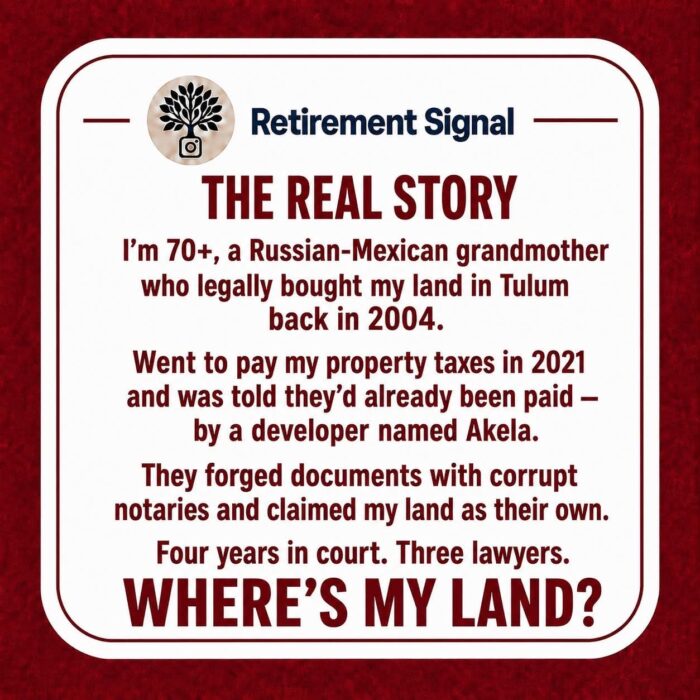
- Watch out specifically for ejido land Ejido (communal agricultural) land sold as if it were private property is the single riskiest purchase a foreigner can make in Mexico — especially common in fast-growing areas like Tulum. Unlike a bad inspection surprise, title problems on ejido land often can’t be fixed at any price and can mean losing the entire investment.
- Never pay more than a small percentage upfront for pre-construction For pre-construction purchases, don’t pay more than 10% until you’ve verified permits and land ownership, and use only licensed escrow services. This exact pattern — large deposits wired for unfinished condos, sometimes on land later found to be stolen — has cost foreign buyers their life savings in real cases.
- Get an independent inspection Structural inspections are informal in Mexico compared to the US, and many sales happen with none at all. Hire your own licensed architect or civil engineer to check the roof, wiring, plumbing, and foundation before you commit.
- Get a fresh survey — don’t trust the fence line Commission an independent topographical survey and check it against both the deed and municipal cadastral records. Physical walls or fences often don’t match the actual legal property lines.
- Refuse “under the table” cash deals Sellers sometimes ask to declare a lower price to reduce taxes for both sides. Agreeing removes your legal recourse if something goes wrong and can cause tax complications back in the US.
- Check your agent’s license Real estate agent regulation varies by state in Mexico — some require licenses, others don’t. Ask for a state registration number and confirm it independently before trusting an agent’s advice.
Renting.
Verify the landlord actually owns the property (ask for the same title documents as above) — subletting scams targeting foreigners are common in tourist-heavy rental markets.
Never wire a deposit for a property you haven’t seen in person or via a live video walkthrough with someone you trust on the ground.
Use a written lease reviewed by a local lawyer — verbal or “friendly” arrangements offer no protection if a dispute arises.
Be wary of prices quoted well below market for beachfront or centro locations — a classic lure tactic to get a deposit fast.
General Financial Safety
Don’t concentrate your life savings with a single local banker or bank contact, however trustworthy they seem. Pooled retiree accounts at one institution have been targets of large-scale theft in the past.
Be extremely skeptical of unsolicited calls offering to buy back a timeshare.
This has become a specific scam pattern targeting retirees — demanding upfront “fees” and “fines” before disappearing with the money.