
Offers and promotions are no longer the only factor defining competition among major supermarket chains in Mexico. The growth of digital shopping, the search for establishments closer to consumers, and changes in how frequently shoppers visit stores are forcing companies to reconsider how they use their commercial spaces and where it remains profitable to maintain certain formats.
In this scenario, Soriana is preparing a major adjustment to its commercial infrastructure during 2026, combining permanent store closures with reductions in store size. The decision represents a significant change for a company that for years relied on large-scale establishments and is now seeking to adapt part of its operations to a consumer dynamic that is less dependent on traditional hypermarkets.
The move becomes more significant when compared with what other companies in the sector are doing. While Soriana is reconsidering the size of part of its network, Walmart de México and Grupo Comercial Chedraui continue with physical expansion plans, although they are also focusing on formats designed to respond to buyers’ changing needs.
Soriana: The Reason Behind the Store Closures and Branch Reductions

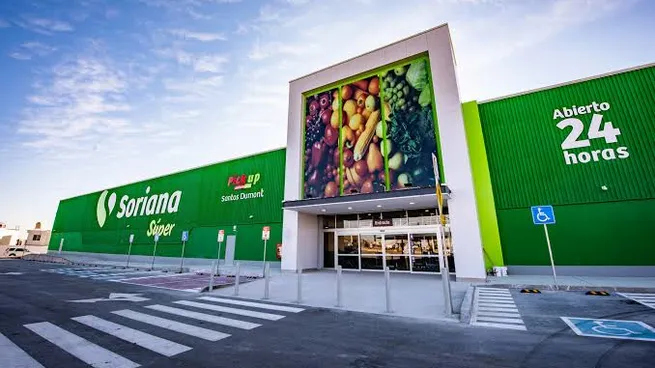
The plan includes the permanent closure of 20 Soriana stores during 2026. According to the information provided, the company had already completed the closure of eight establishments during the first quarter of the year and plans to complete the process with another 12 units in the following months.
The chain expects to complete the closure of 20 establishments and modify the size of another 60 units during 2026.
However, the adjustment does not end with the stores that will cease operations. The chain also plans to reduce the size of approximately 60 branches, mainly among hypermarkets that currently occupy areas between 9,000 and 10,000 square meters. The intention is to maintain certain locations while operating with spaces that are better suited to the level of demand they generate.
The strategy does not necessarily mean abandoning all large properties. In certain cases, the company may reconfigure the facilities and make different use of areas that are no longer needed for its commercial operations, an alternative that could reduce expenses associated with maintaining excessively large spaces.
The change responds to a deeper transformation in consumer behavior. E-commerce has gained ground in Mexico and changed the way many people purchase supermarket products, while proximity formats have become more important for frequent and smaller purchases. For retail chains, this means that having more square meters does not necessarily translate into greater profitability.
Reducing the size of some establishments could help Soriana control operating costs, optimize inventories, and make better use of each location. The decision also allows the company to adapt its spaces to consumers who combine different purchasing channels and no longer depend exclusively on visiting a hypermarket to make their purchases.
The growth of digital shopping and demand for nearby formats are driving changes in the traditional hypermarket model.
The store adjustment is taking place at the same time that Soriana seeks to expand its presence in a business different from supermarkets. The company is preparing to increase its participation in the financial sector, with the intention of diversifying its sources of income and establishing a broader relationship with its customers.

Among the projects being considered is the possibility of moving toward proprietary debit cards and creating a Popular Financial Company (Sofipo). Currently, Servicios Financieros Soriana operates through a Multiple-Purpose Financial Company (Sofom) and offers a credit card through an alliance with Falabella.
Expansion into financial products would allow the company to complement its traditional business and create new points of contact with consumers. In other words, the supermarket would no longer be the only setting for the commercial relationship and would instead become part of a broader strategy centered on services and customers’ everyday needs.
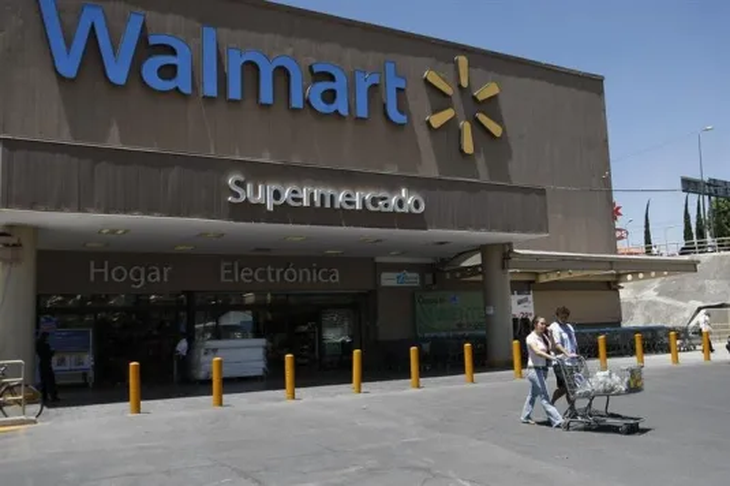
Soriana’s decision contrasts with the behavior of its main competitors. Walmart de México opened 14 establishments during the first quarter of 2026, reaching a network of 3,330 units in the country. The company continues to pursue an expansion strategy based particularly on formats such as Bodega Aurrera, Mi Bodega Aurrera, and Bodega Aurrera Express.
During 2025, Walmart opened 162 new units in Mexico, and for 2026 it announced an investment of nearly 43 billion pesos in Mexico and Central America, an amount 10% higher than the previous year’s investment. A significant portion of these resources will be directed toward store maintenance and modernization, as well as strengthening omnichannel capabilities.
Walmart de México and Chedraui continue with expansion plans while Soriana focuses on optimizing its commercial network.
Chedraui also maintains an expansion policy. Grupo Comercial Chedraui ended the first quarter of 2026 with 702 stores in Mexico and plans to open 147 new branches during the year, up from the 142 inaugurated in 2025. Its strategy places particular emphasis on proximity establishments.
Thus, the Mexican supermarket market faces two different paths: Soriana is seeking to make its infrastructure more efficient and reduce store sizes where they are no longer convenient, while Walmart and Chedraui continue increasing their physical presence. The outcome of these decisions will be one of the business developments shaping competition in the sector during the rest of 2026.
Source: ambito