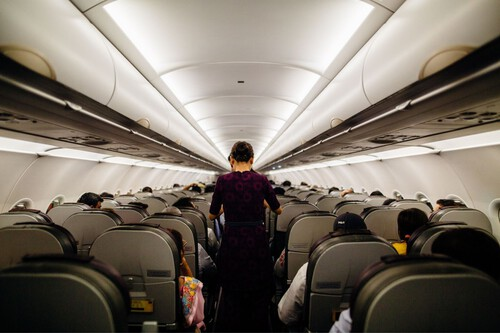

Waiting inside a plane that does not take off for hours has become a source of frustration for travelers in Mexico. An initiative presented in the Chamber of Deputies proposes that passengers on domestic flights not remain inside the aircraft for hours because of operational problems caused by the airline.
The proposal is part of a package of ten initiatives presented by the Institutional Revolutionary Party (PRI) parliamentary group, coordinated by Rubén Moreira. The bill proposes several changes to the Civil Aviation Law, including new rules regarding overbooking, seats, and passenger compensation.
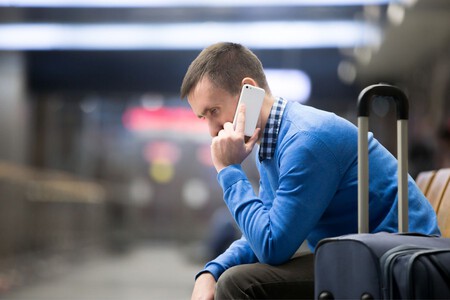
Mexico proposes a one-hour limit for waiting inside a grounded plane
The bill presented by the PRI coordinator in San Lázaro proposes that passengers on domestic flights should not have to remain for more than one hour inside a grounded aircraft. For international flights, the proposed limit would be two hours.
According to La Jornada, the initiative stems from cases in which travelers have remained inside an aircraft for up to seven hours without being able to disembark. The legislator argues that airlines may avoid opening the doors in order to avoid certain costs associated with waiting and providing assistance to passengers.
To prevent this situation, the initiative establishes that after 30 minutes with the aircraft grounded, the company would have to provide bottled water and snacks free of charge. Once the maximum limit is reached, the airline would have to allow passengers to disembark and provide the compensation and indemnification established in the proposal.
Mexico also wants to ban flight overbooking
Another significant change is the prohibition of overbooking. The proposal would prevent airlines from selling more seats than are available on an aircraft and would establish fines for companies that violate this provision.
The bill also seeks to ensure that the seat is guaranteed from the moment the ticket is purchased, without requiring the passenger to pay an additional fee to secure the seat. This would change situations in which a person can lose their seat for failing to complete check-in on time or for arriving late, allowing the seat to be assigned to another traveler.
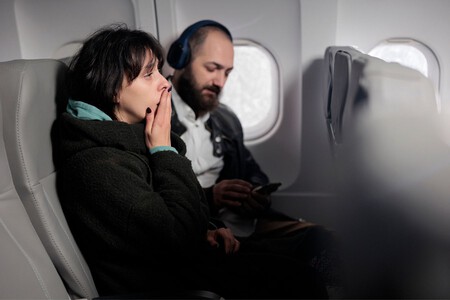
The initiative also includes other changes to ticket conditions. One would allow passengers to keep their return flight even if they did not use the outbound portion, provided both flights are part of the same round-trip ticket.
It also proposes that the Airport Use Fee (TUA) corresponding to an unused flight be automatically refunded to the card used for payment. If the purchase was made in cash, the passenger could request the refund at the airline’s designated service counters.
Passengers already have rights, but this initiative seeks to expand their protection
The discussion takes place within a legal framework that already establishes obligations for airlines. The Federal Consumer Protection Agency (Profeco) notes that the Federal Consumer Protection Law and the Civil Aviation Law provide compensation for passengers affected by delays, cancellations, and overbooking.
According to Profeco, passengers currently have the right to various forms of compensation when the problem is attributable to the airline:
- Delays of more than one hour and less than four: food, beverages, and discounts, depending on the waiting time.
- Delays of more than four hours: passengers can choose between a ticket refund plus compensation of at least 25%, or alternative transportation.
- Flight cancellation: passengers also have options for a refund, compensation, or alternative transportation.
- Overbooking: passengers can request transportation on another flight and receive financial compensation of at least 25%, according to the conditions established by law.
For now, none of these new rules are in effect. They are part of an initiative that must go through the legislative process before potentially becoming an amendment to the Civil Aviation Law. If it moves forward, the debate would address the responsibility airlines should assume when an operational problem is ultimately transferred directly to passengers.
Source: xataka