
It has become an open secret that “parallel” municipal and state police officers—who do not come from the Public Security Secretariat—are present in at least 90 municipalities across the state.
They are not registered, nor have they ever undergone the required selection process before the police authorities. They have not passed background and trust examinations, nor do they report for shifts at central offices, whether state or municipal.
They simply travel Veracruz’s roads, picking people up, carrying out vendettas against their enemies from other cartels, and kidnapping individuals who can provide them with financial returns. Their specialty: forced disappearance.
Their salaries, of course, do not come from the Public Security Secretariat, nor does the weaponry they carry, which is infinitely more sophisticated than that of traffic or patrol officers. Their internal communications network is also among the most advanced.
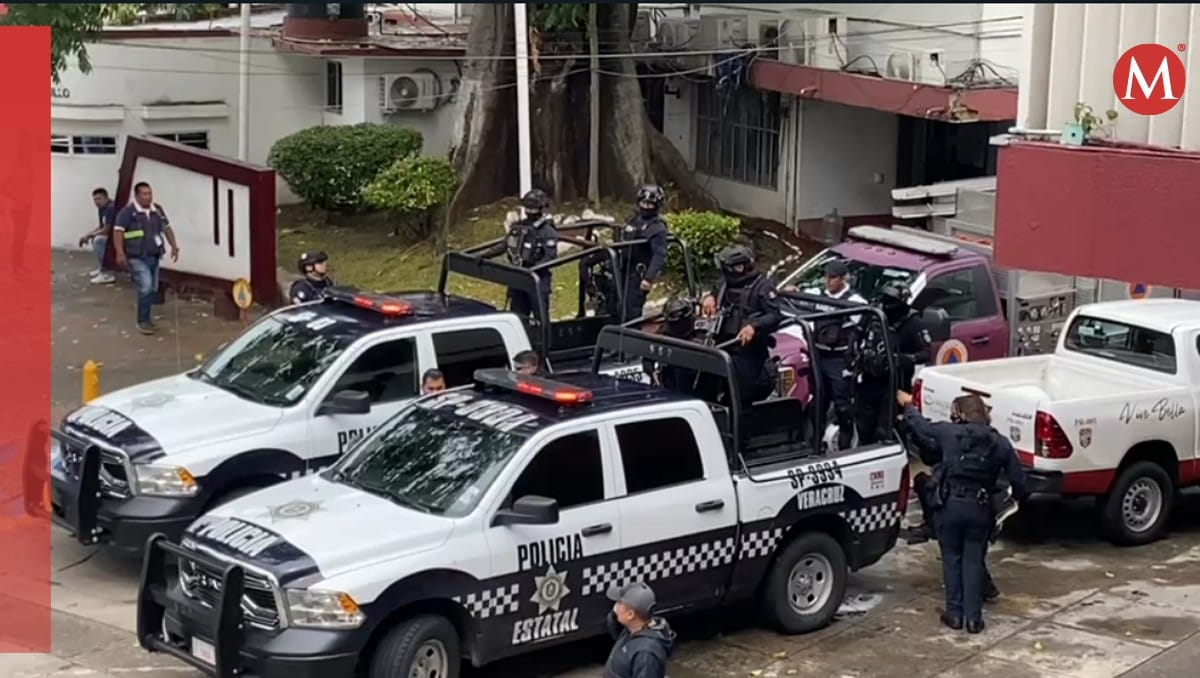
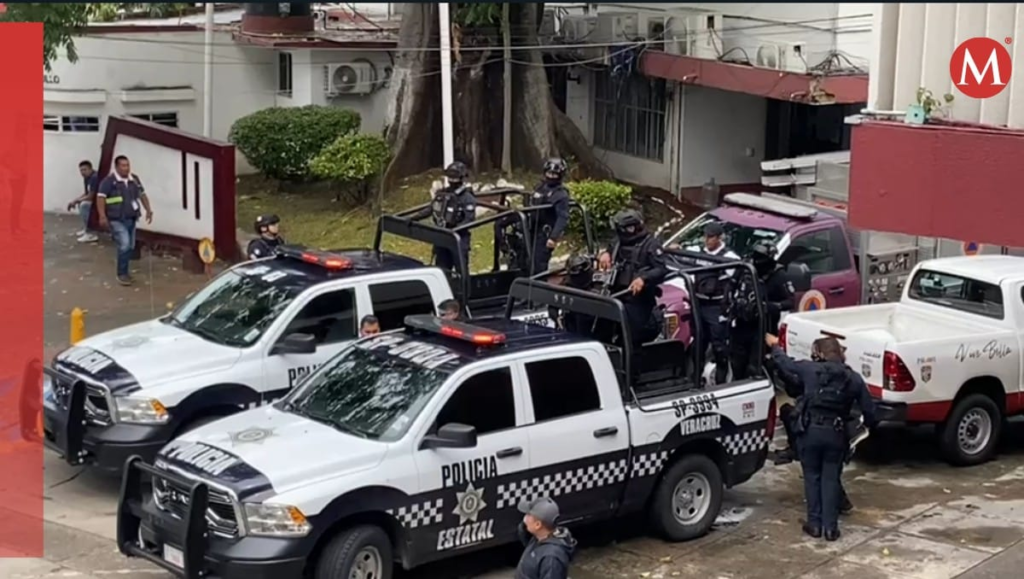
These are parallel police officers who travel in repainted patrol vehicles with high-end engines and, in their daily operations, are responsible for trafficking, extortion, and kidnappings.
Part of their assignments also includes protecting criminal enclaves or hideouts; ensuring that fentanyl reaches its destination, and making sure that fuel theft is not interrupted by any authority.
A memorandum from the SSP’s own Internal Affairs department, which Secretary Alfonso Reyes Garcés knows perfectly well, details this unofficial reality.
It is not about the 6,295 officers earning salaries of 20,461 pesos; nor about the 184 new patrol vehicles, 250 motorcycles, 42 drones, 492 body cameras, and four helicopters.
No, no.
It details the operation of a clandestine group similar to “Los Fieles,” which became notorious a decade ago within the SSP and was linked to official units: intelligence, canine teams, river and maritime units, Tourist Police, the National Guard, and Plan Tajín.
And although there is no record of collusion with federal armed forces or the Secretariat of Citizen Security, an air of suspicion surrounds this unusual network.
It must be emphasized that the “parallel” police force operates civilian vehicles painted to look like patrol cars, complete with light bars and SSP/FGE/Municipal Police logos.
In fact, the SSP itself has identified them engaging in criminal activities in Coatzacoalcos, Minatitlán, the port of Veracruz, and Córdoba.
Quietly, Public Security has carried out arrest and seizure operations, but they have not gone any further, for fear of being at a disadvantage in potential armed confrontations.
And even though this criminality dressed as police officers has no official standing within the SSP, the legitimate police force either looks the other way or openly lends them a hand.
This has been observed during election seasons, when they appear alongside one another to stop citizens traveling from their towns to polling stations.
The issue of the “parallel” police force is a major one, because if it is currently estimated to cover 40% of the territory of Veracruz, which has 212 municipalities, it remains a double-edged sword.
On the one hand, it helps Morena; on the other, it exacts a heavy price by generating, day after day, what is whispered quietly but shouted openly: that there is a narco-government.
Time will tell.
National Journalism Award
Source: mexicodailypost