
El Tajín
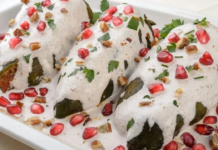
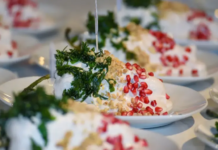
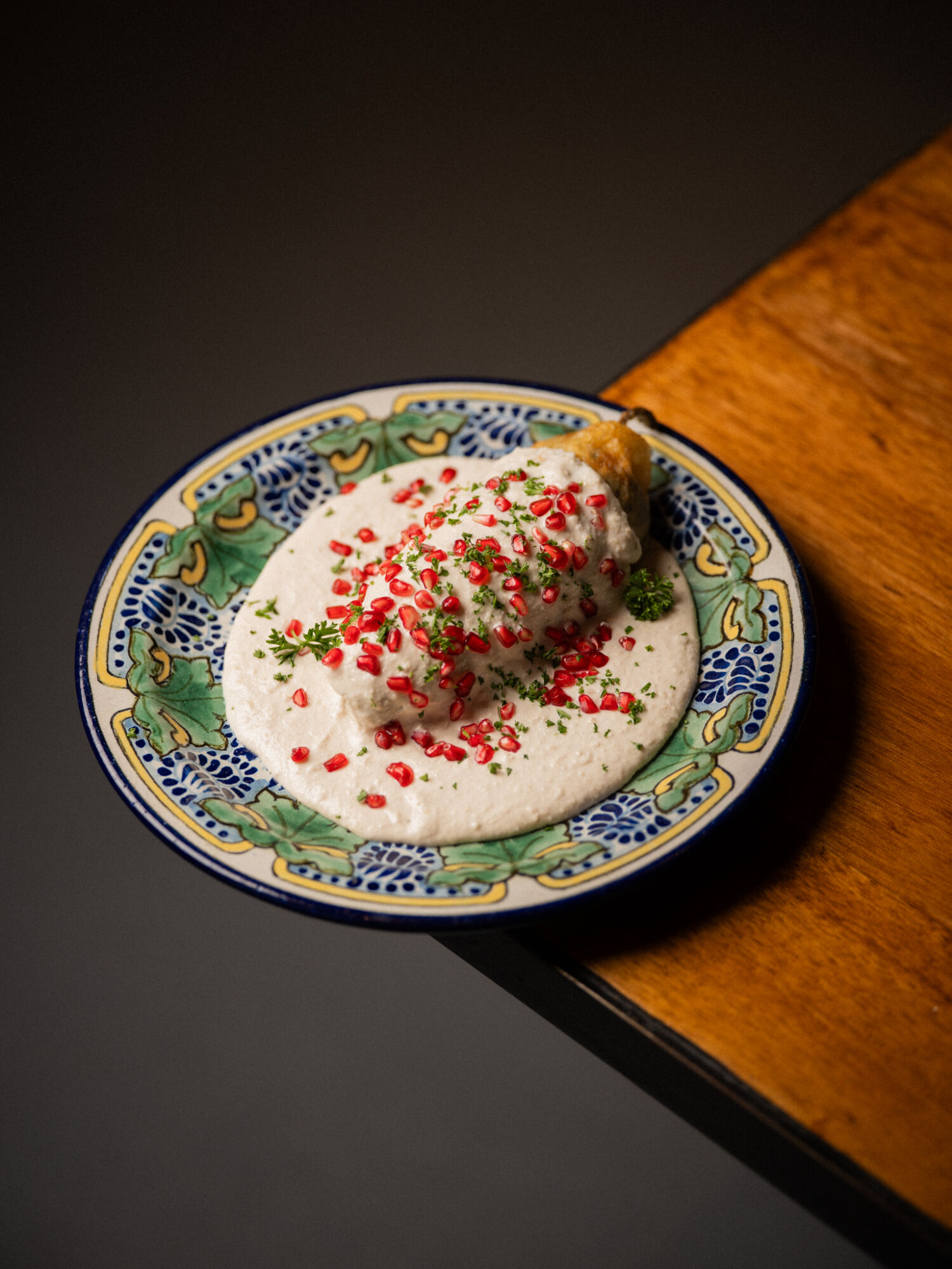
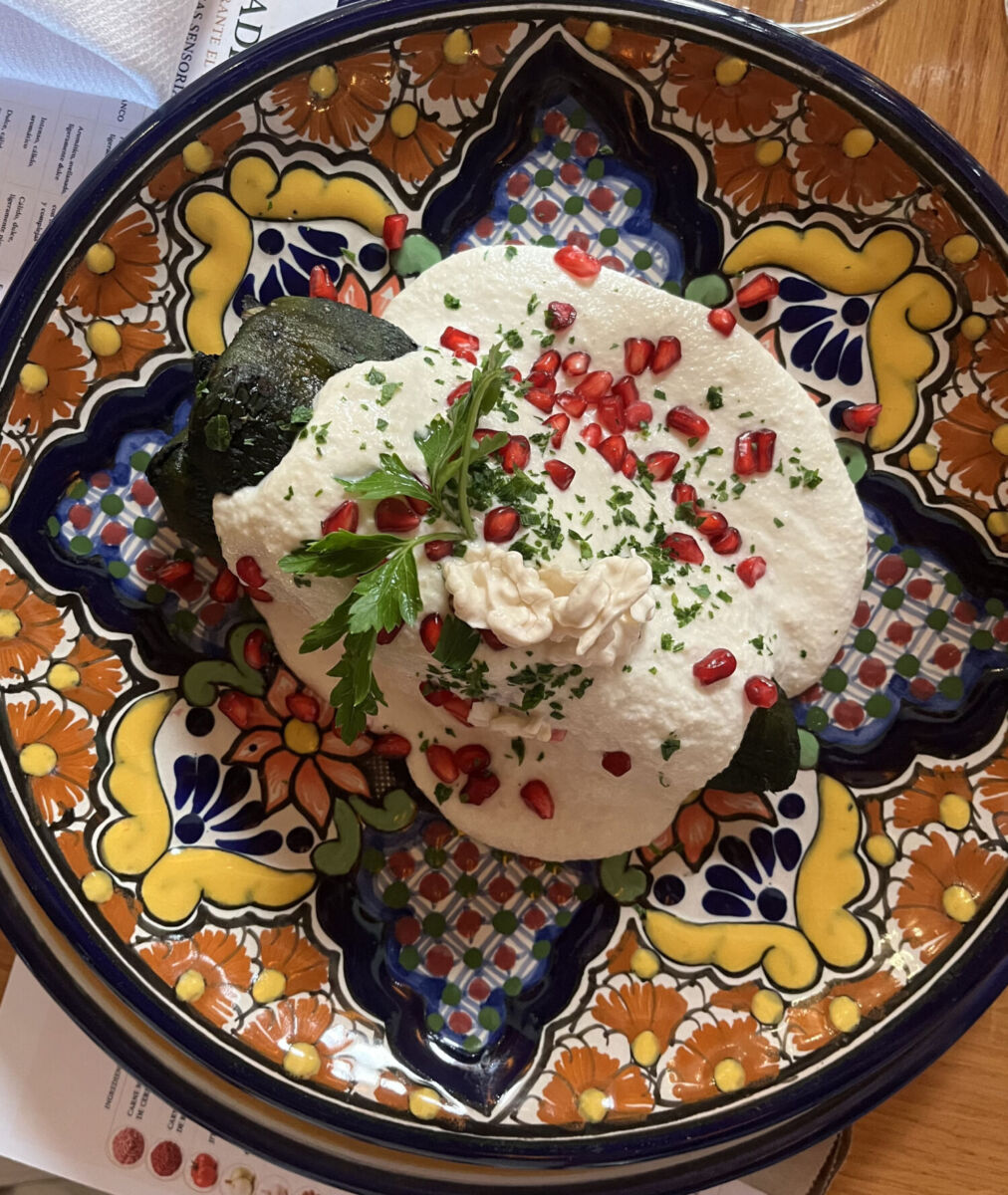
Hidden inside the Centro Cultural Veracruzano on Miguel Ángel de Quevedo, El Tajín is one of the most beloved Mexican restaurants in [Coyoacán]. Each year, chef Ana María Arroyo welcomes chile en nogada season with two versions: a traditional one and her own reinterpretation. But let’s talk about the first one. For lovers of tradition, the chile is not battered, and the filling is a combination of beef and pork, with pear, apple, and peach, dried fruits, and spices. The nogada has a silky texture and a balanced flavor with a clear note of sherry. If chile en nogada seems like an overly elaborate dish to you, this version may better suit your tastes.
Carolo
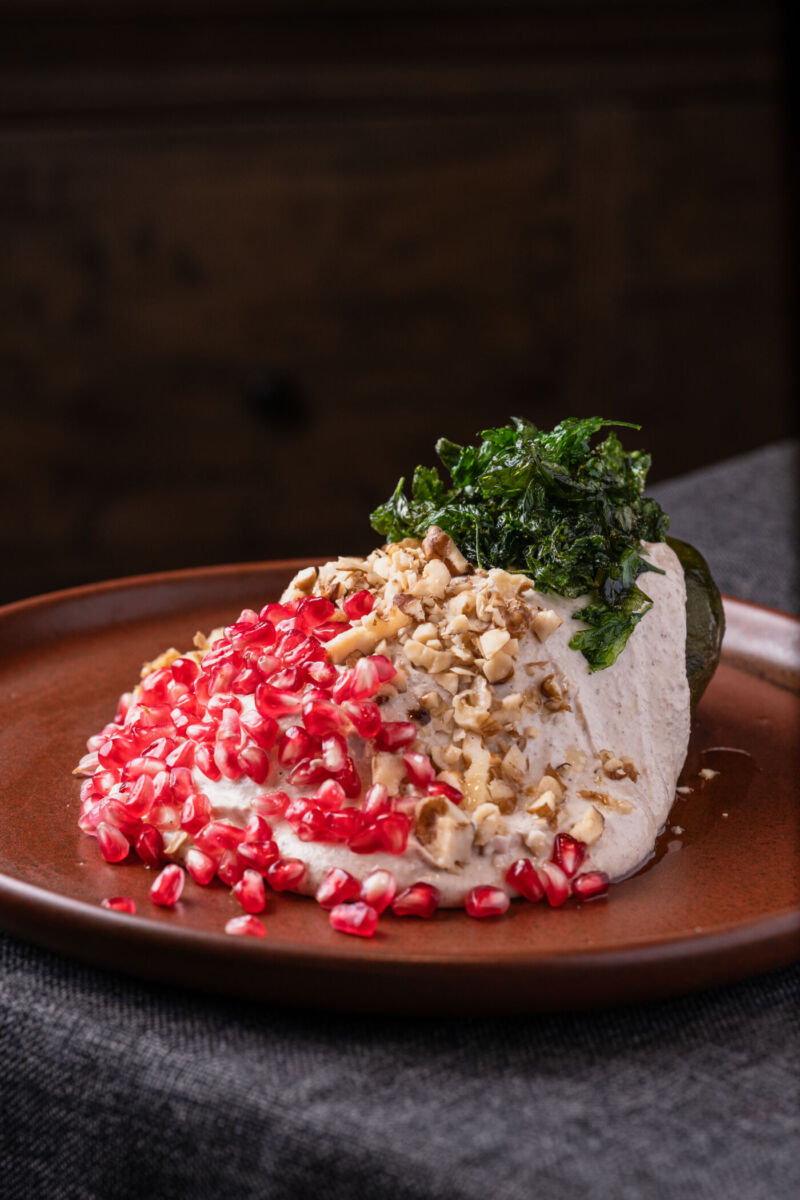
With several locations throughout Mexico City —Plaza Carso, Santa Fe, Interlomas, Bosques—, Carolo restaurant is offering its classic version of chile en nogada, a recipe they have been perfecting for years. The chile is filled with beef and seasonal fruits macerated in sherry, accompanied by a classic nogada made with Castile walnuts, light and balanced between sweetness and acidity. It is decorated with pomegranate, Castile walnuts, and fresh parsley. It costs $455, or $580 with pairing, which includes a glass of Whispering Angel rosé wine.
Prendes
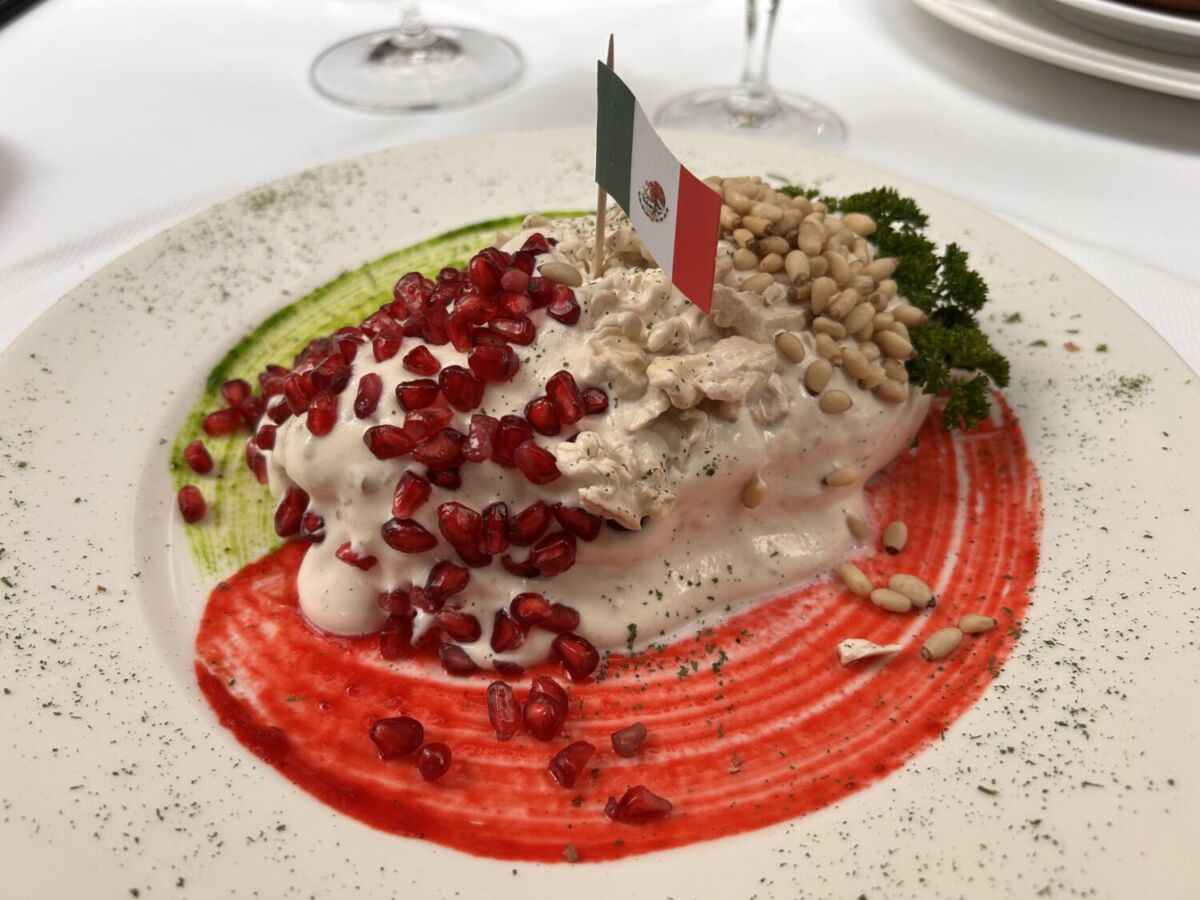
Located inside Palacio de Hierro Polanco, Prendes has a classic chile en nogada that pays tribute to the flavor and tradition of one of the most emblematic dishes of Pueblan cuisine. The filling is traditional: beef, pork, and seasonal fruits. Its nogada is slightly thick and sweet, but balanced in all its ingredients. It is decorated with pomegranate, Castile walnuts, pine nuts, fresh parsley, and a Mexican flag.
Carmela y Sal
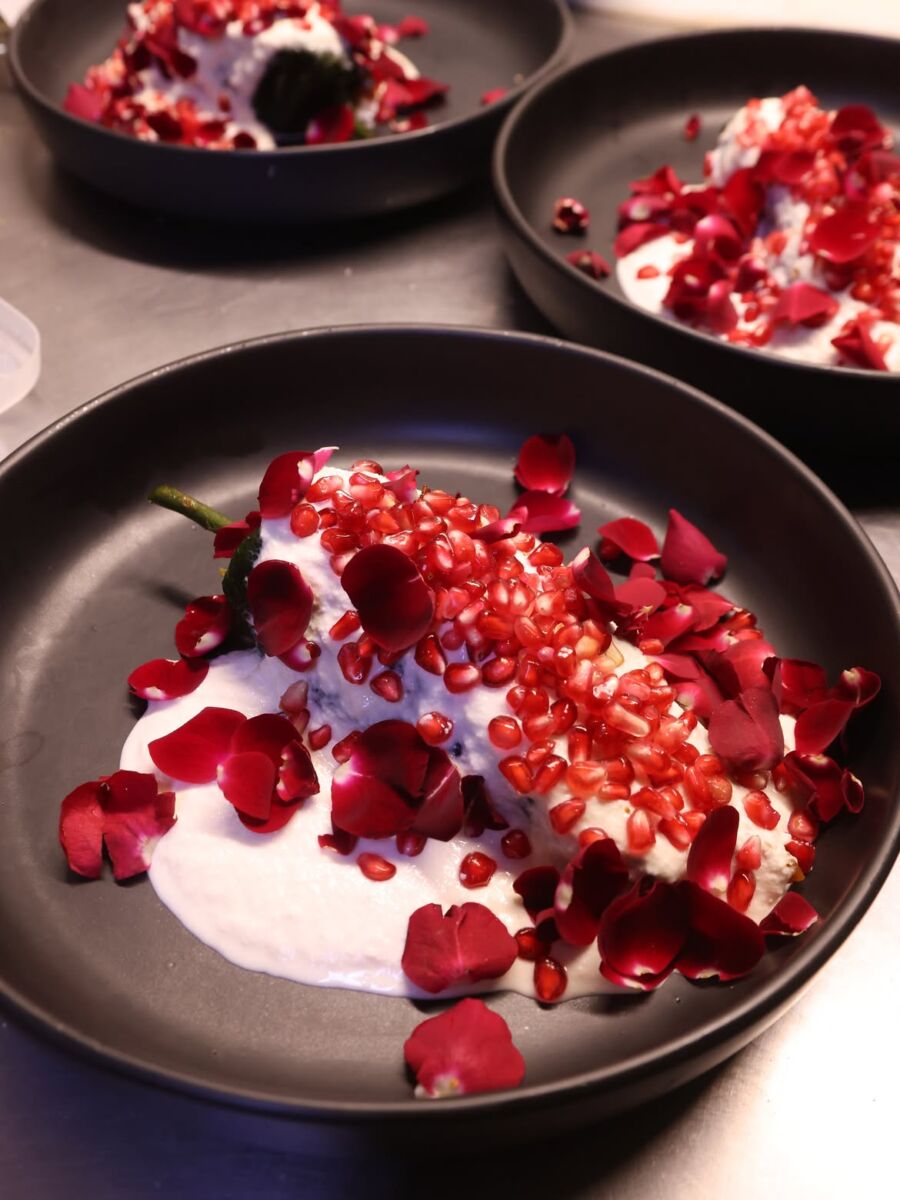
At her Carmela y Sal restaurant in Las Lomas, chef Gaby Ruiz bets each year on a version very close to the traditional recipe, paying particular attention to the origin and quality of the ingredients. The poblano chile comes from [San Andrés Calpan], Puebla, and is filled with 12-hour oven-baked short rib and pork, along with seasonal fruits such as panochera apple, milk pear, criollo peach, plantain, pine nuts, and crystallized jicama. It is not battered and is covered with a nogada made with walnuts from producers in Atlautla, State of Mexico. But the great detail that makes this version distinctive is that it is decorated with rose petals. The nogada is thick, with pieces of walnut and not very sweet, which balances the flavor of the filling very well.
Don Lázaro El Viajero
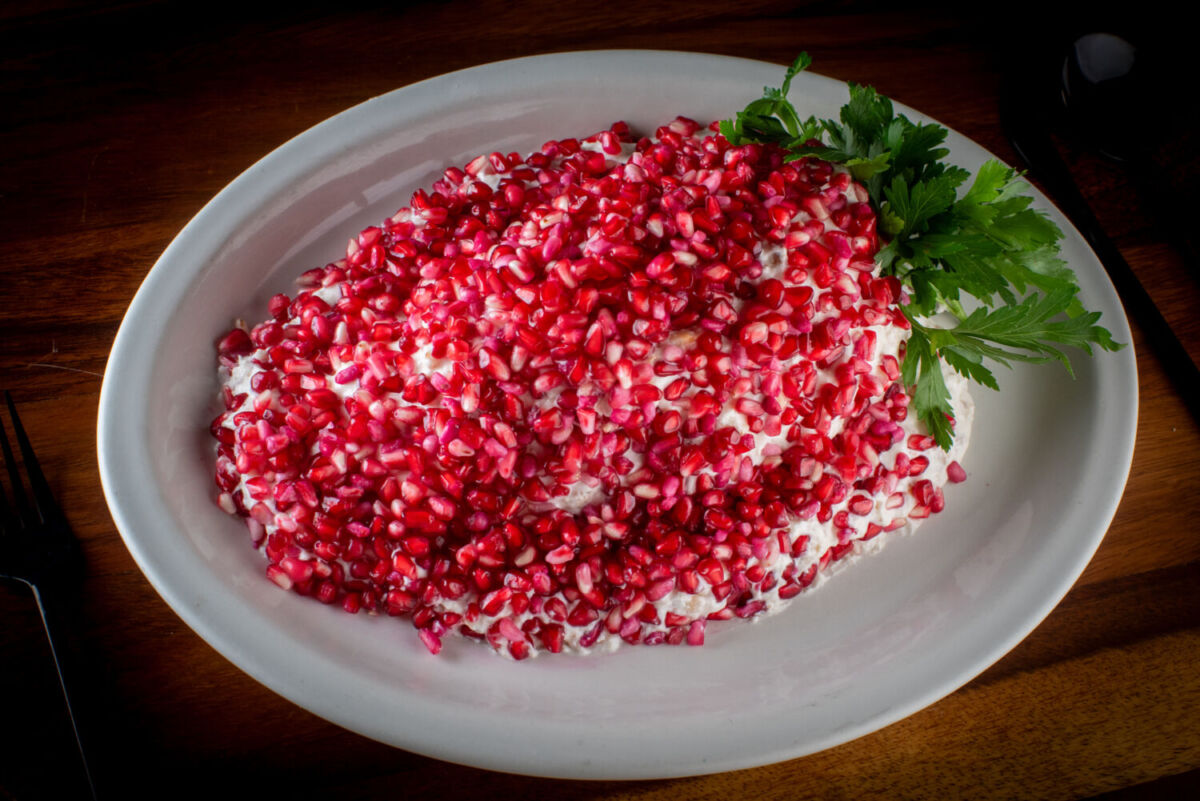
This restaurant in the Santa María la Ribera neighborhood returns with its famous one-kilogram chile en nogada, a version that follows the traditional recipe and contains more than 30 ingredients. The poblano chile is deveined and filled with chopped pork, tomato, onion, a selection of spices, fruits, and other ingredients. Where does all that weight come from? The stuffed chile alone weighs 400 grams, it is covered with another 400 grams of thick nogada, and finished with 200 grams of pomegranate. Without a doubt, it is one of the chiles with the most pomegranate we have seen this season. In addition, this year they opened a pop-up in Lomas de Chapultepec. It costs $515 at both locations and will be available until the first week of October.
Balta
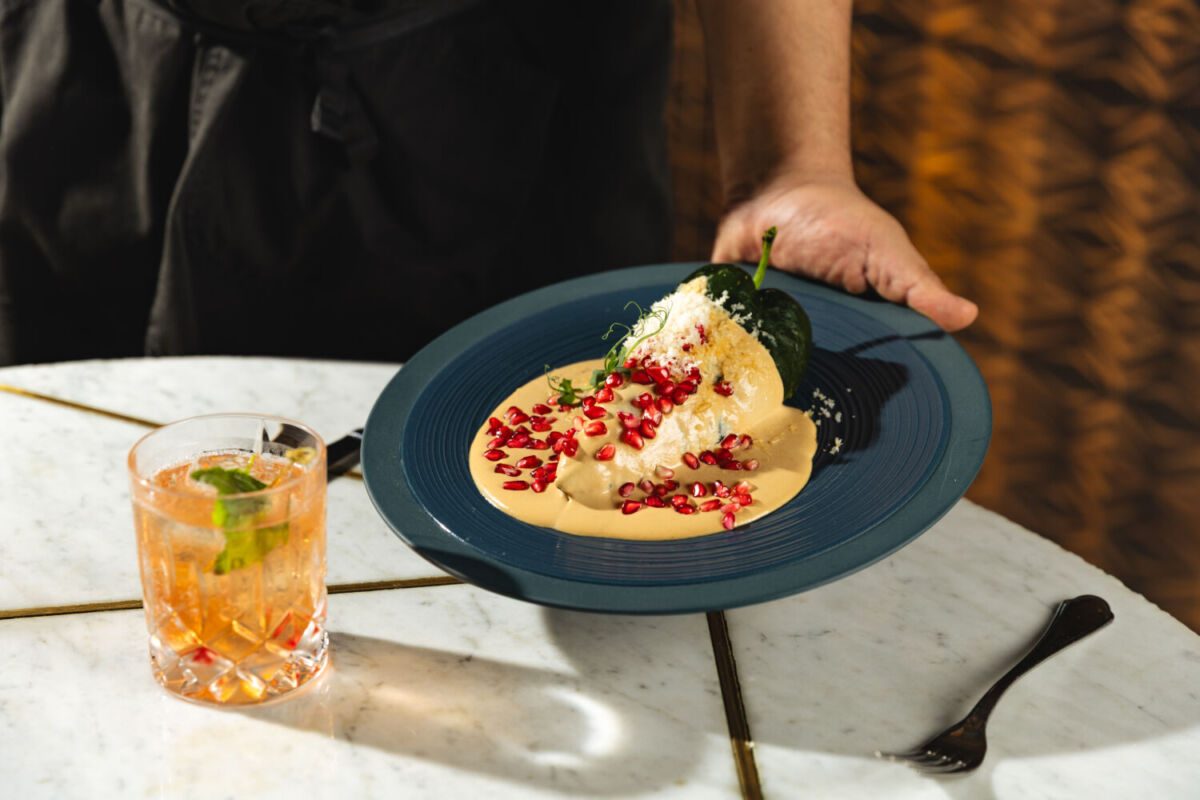
Balta restaurant, on the 12th floor of the Sofitel Hotel, on Paseo de la Reforma, offers two versions of chile en nogada. One of them follows the traditional recipe with beef and pork filling, without batter, with a slightly darker-than-usual nogada sauce, and pomegranate and grated walnut for decoration. It is recommended to pair it with a special Granada Blanca cocktail made with Casa Madero rosé wine, tequila, and lemon. Balta’s offerings celebrate the dish from a contemporary perspective, in an elegant and relaxed space with one of the best views of the Angel of Independence, available until September 17.
Tagers
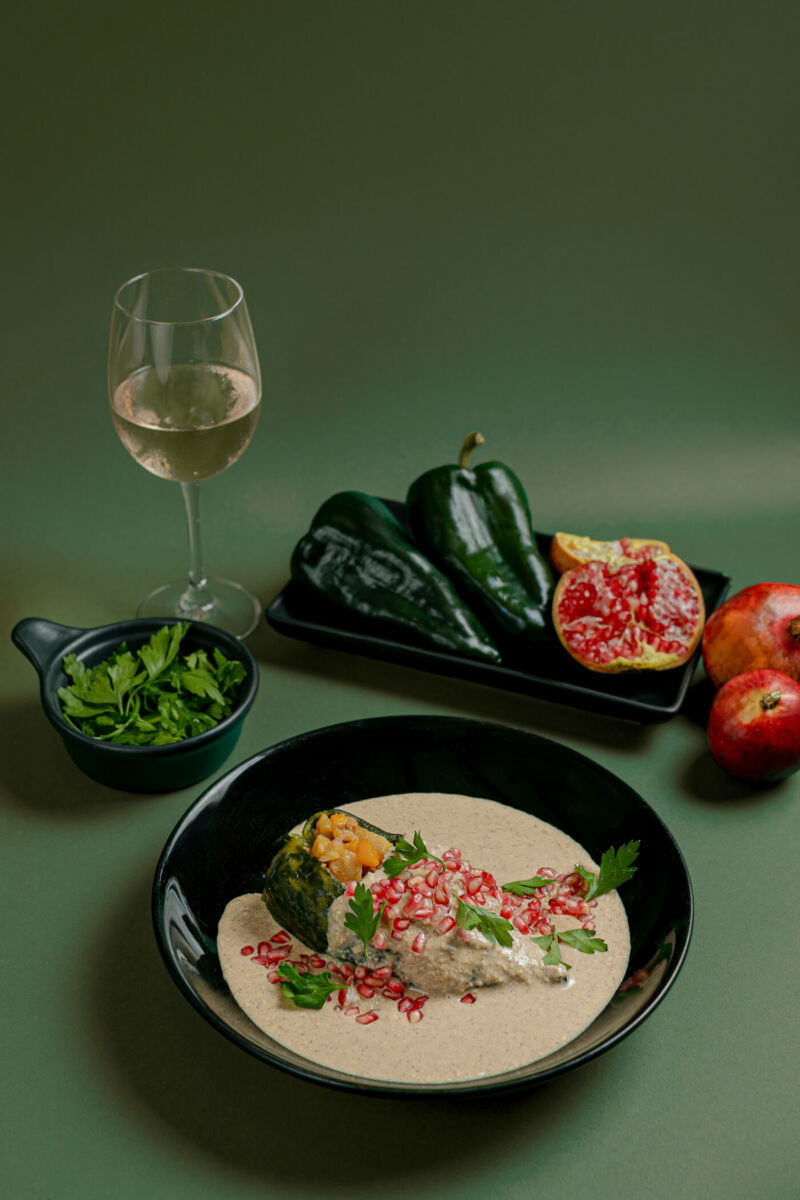
As a restaurant rooted in Pueblan tradition, Tagers in San Ángel offers a chile en nogada faithful to the traditional recipe, wrapped in a light, golden batter and covered with a Castile walnut nogada, a liqueur-like touch of sherry and goat cheese, produced in areas such as [Chignahuapan], Tepeyahualco, and Zacatlán. It is finished with red pomegranate and parsley, while the filling contains ground meat, seasonal criollo fruits, almonds, and a touch of raisins. It costs $455 and will be available until September 16. In addition, the offering includes the ‘ennogadas’: three tortillas filled with poblano chile strips, ground meat with seasonal fruits, almonds, and raisins, covered with nogada sauce and decorated with pomegranate and parsley.
Magda
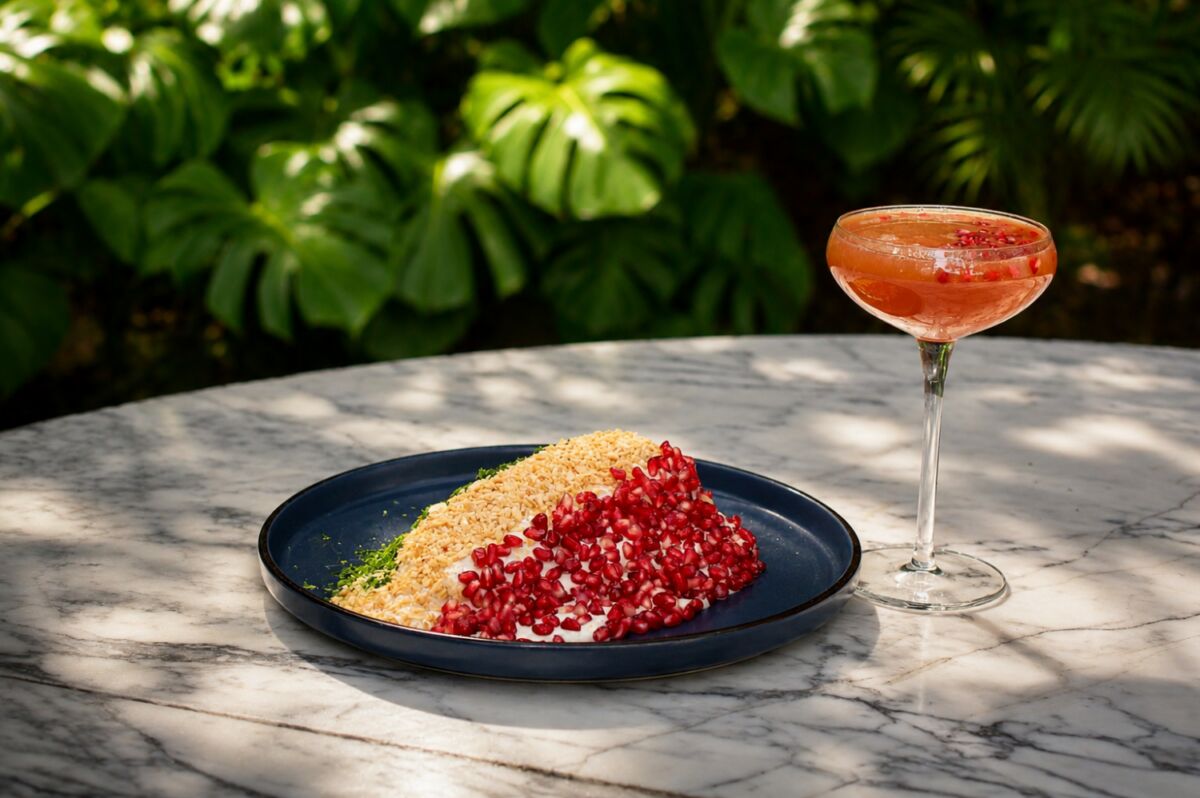
Also in San Ángel, Magda respects the traditional recipe with a filling of pork and beef, seasonal fruits, and spices, covered in a walnut sauce. One of its most beautiful details is the tricolor decoration, inspired by the Mexican flag, with one stripe of parsley, another of almond, and another of pomegranate. The chile costs $495, although they also offer a $615 package that includes the seasonal ‘Jardín de Granada’ cocktail, prepared with mezcal, pomegranate liqueur, prickly pear, and lemon. All of this is served in one of the most beautiful mansions in southern Mexico City, where historic architecture coexists with contemporary décor.
Los Danzantes
Los Danzantes in Coyoacán launched its Chile en Nogada Festival with three versions, including the traditional one. It consists of a blanched poblano chile filled with beef and pork picadillo with grated apple, San Juan pear, criollo peach, plantain, almond, pine nuts, raisins, and crystallized fruit. It is covered in a Castile walnut sauce and finished with pomegranate and fresh parsley leaves. It costs $590. The other two options are the Chile en Nogada Rosa, whose nogada gets its color from beet and bougainvillea, and the Vegan Chile with Peanut Nogada. All three versions will be available until September 27.
Angelopolitano
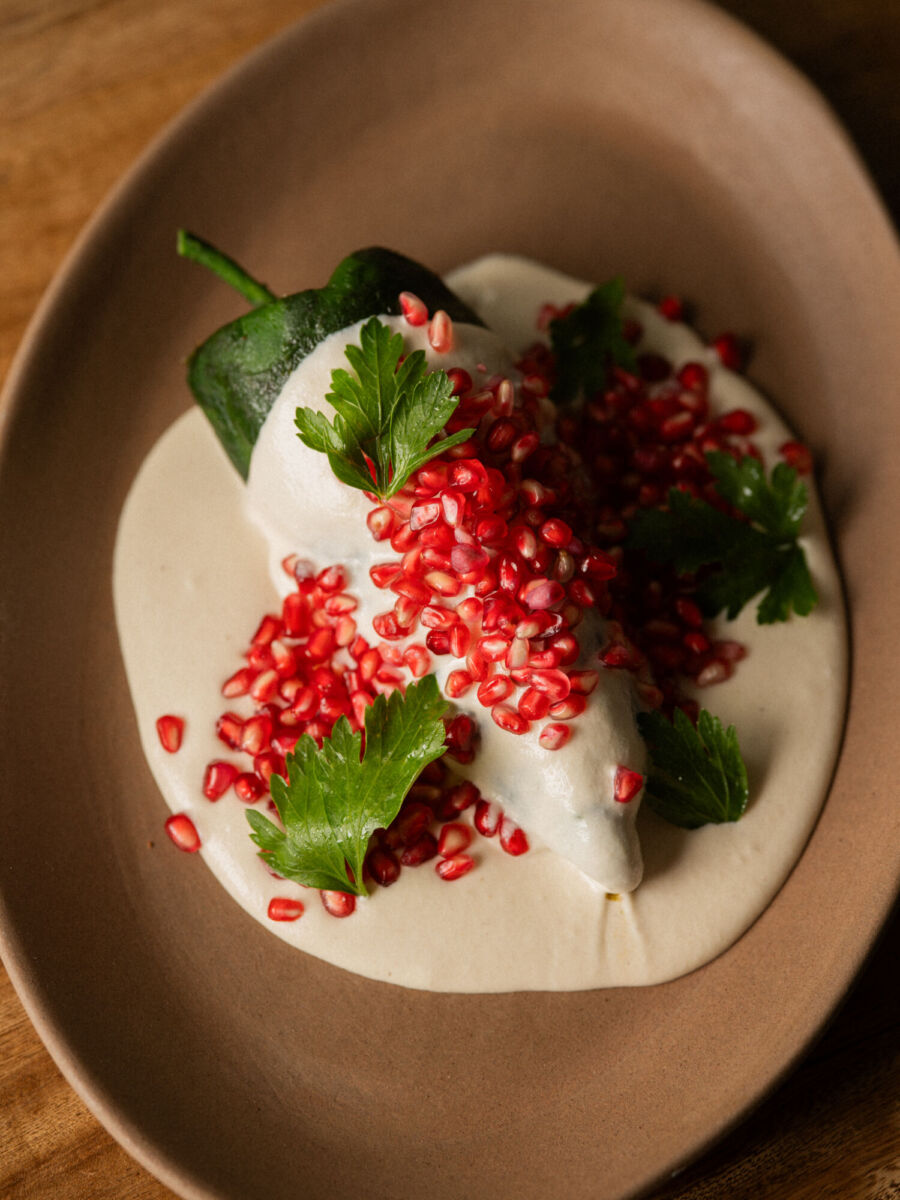
Every year, Angelopolitano restaurant in Roma generates plenty of conversation with its different interpretations of this classic. This time, they introduced six different versions, but if you prefer the traditional one, they also satisfy purists. Their traditional chile en nogada is battered, with a silky nogada and a rather sweet filling due to the seasonal fruits. On the other hand, the Angelopolitano chile en nogada is also quite close to the classic version, as it is a family recipe from chef Gerardo Quezadas, filled with shredded and chopped meat.
Corazón de Maguey
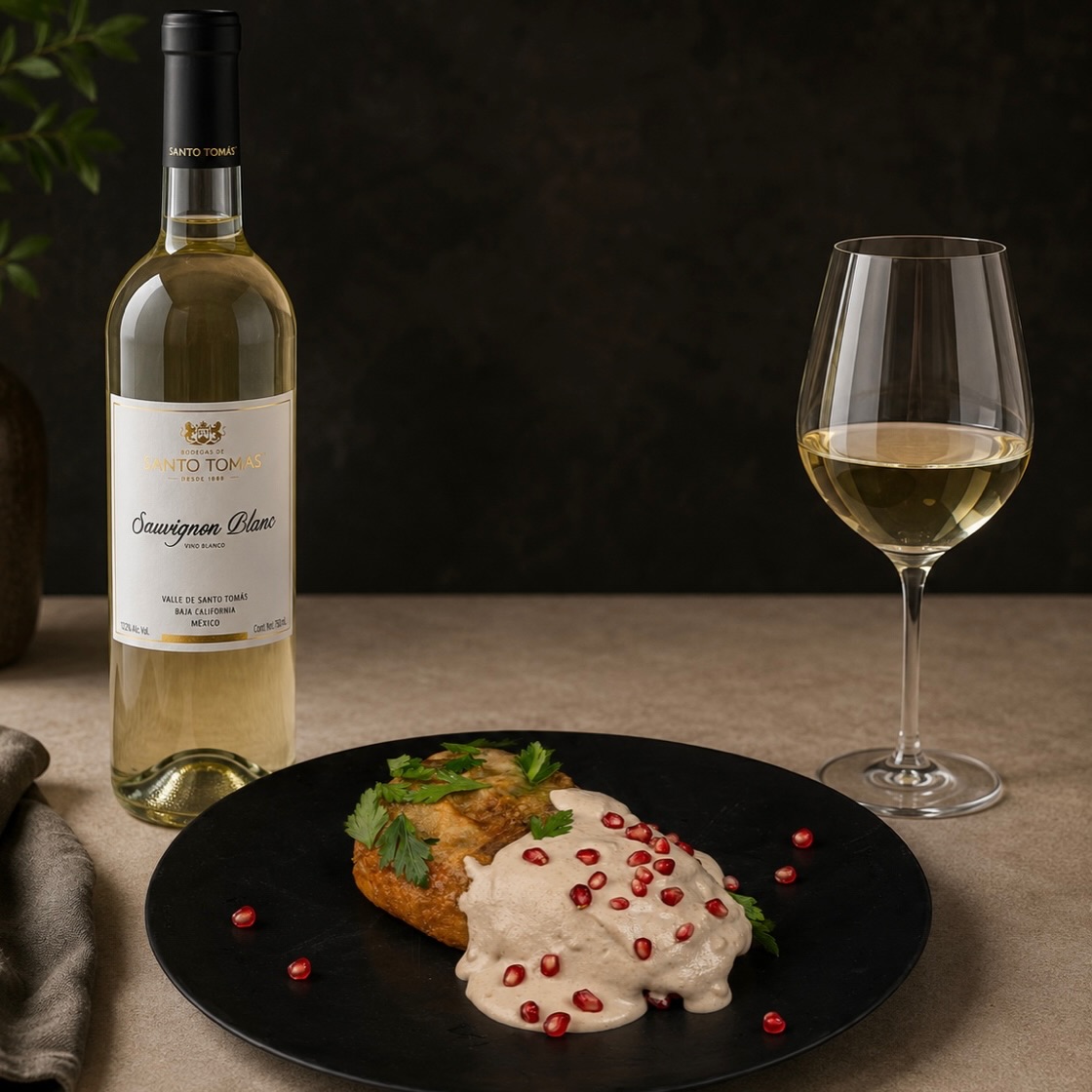
As part of its Festival de Chiles Rellenos, this restaurant in the heart of Coyoacán presents two versions of chile en nogada, both quite similar to the traditional recipe, but with different nuances. On one hand, the traditional chile en nogada is not battered and is filled with beef and pork picadillo with panochera apple, San Juan pear, criollo peach, almond, pine nuts, and raisins, all covered in a Castile walnut nogada with a pronounced touch of sherry. Meanwhile, the ancient chile en nogada is served battered, with a filling of shredded beef, pork, and turkey, seasoned with charred tomato, almond, pine nuts, raisins, and seasonal fruits from San Nicolás, Puebla. The nogada is prepared with Castile walnuts and double-cream cheese and perfumed with mezcal.
Cascabel
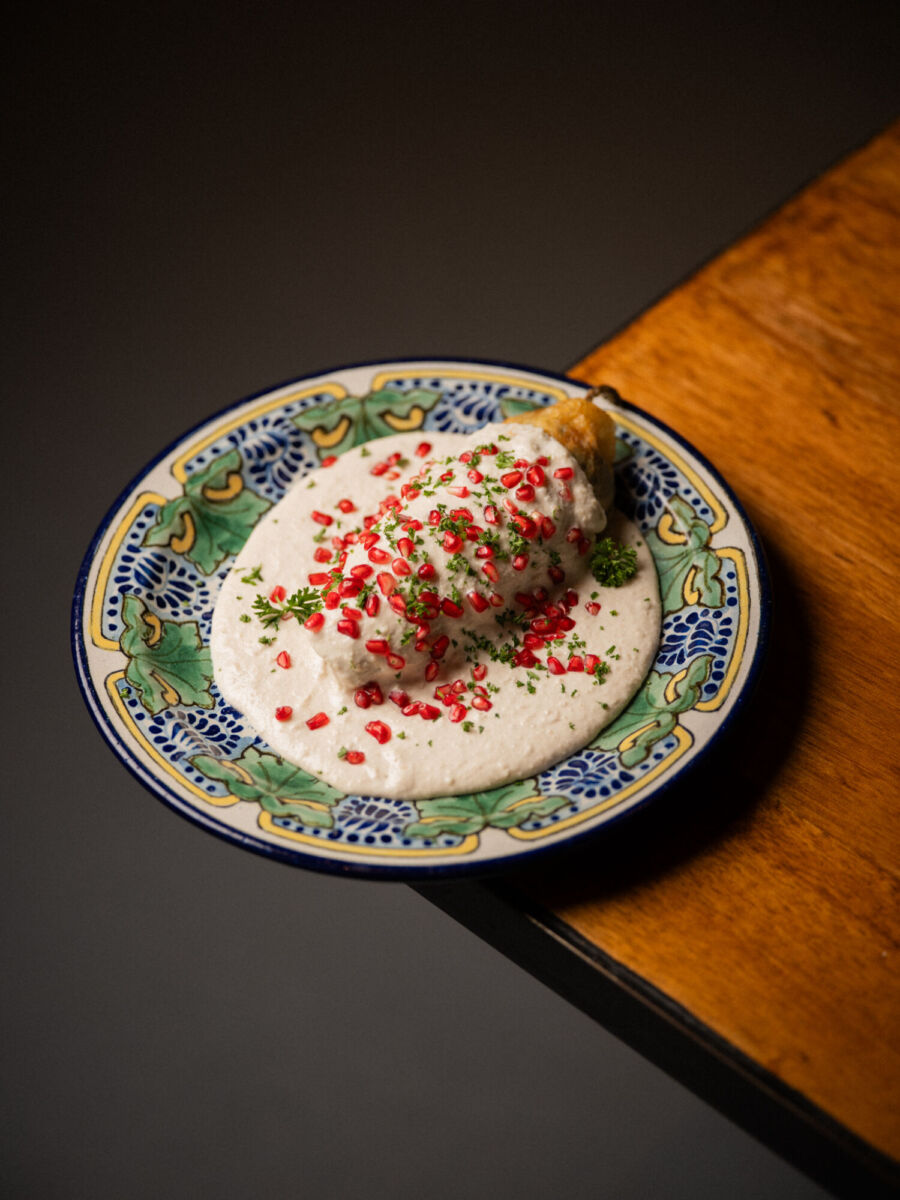
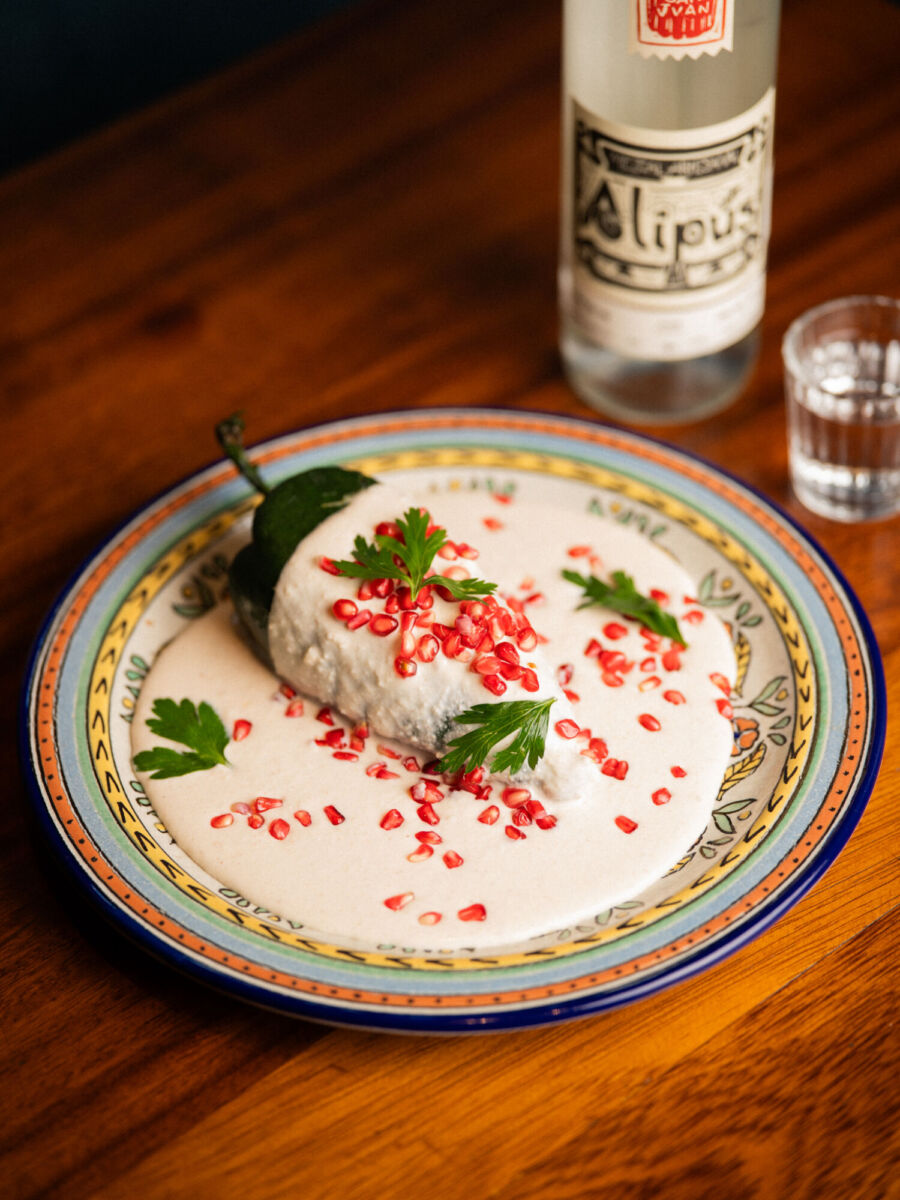
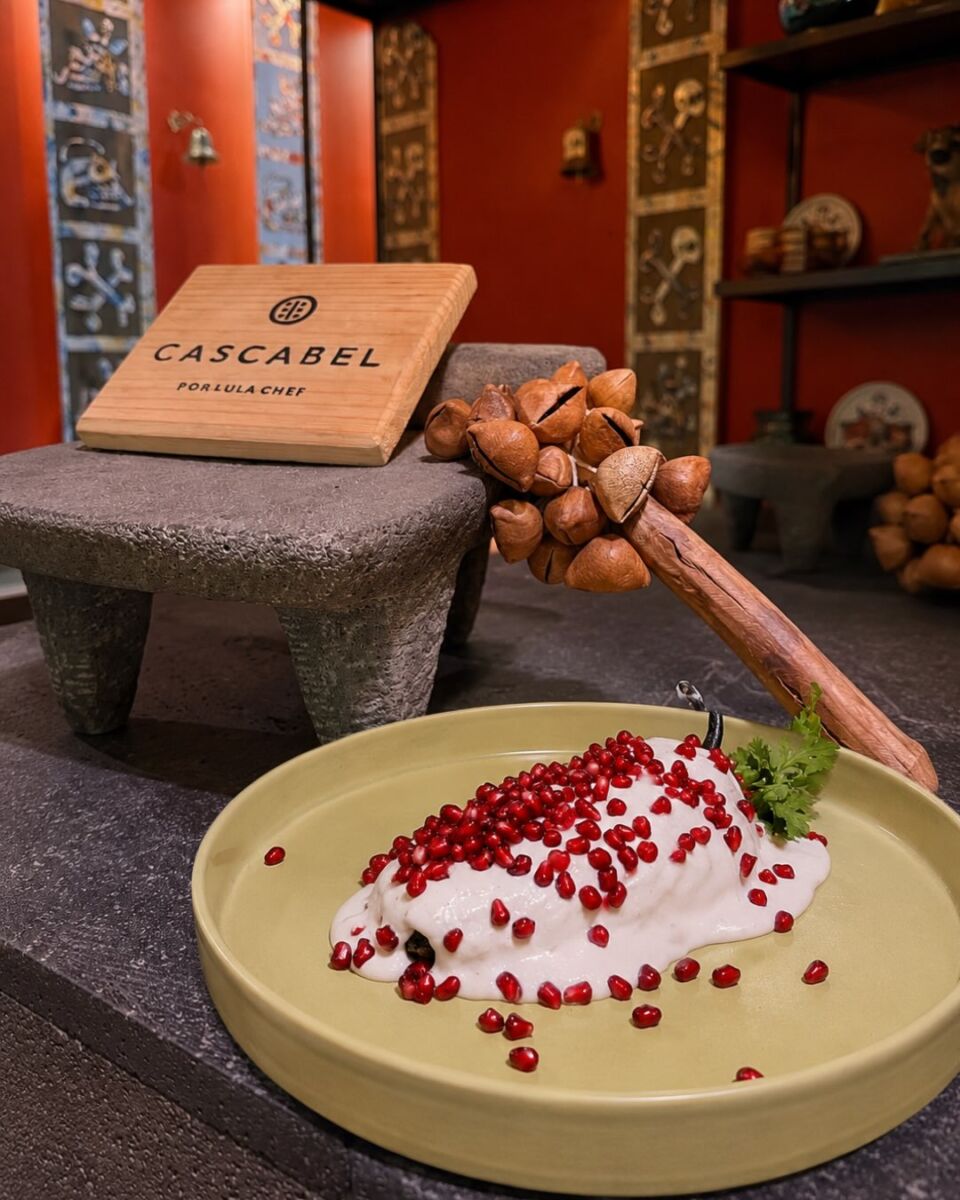
In Santa Fe you will find Cascabel, a Mexican restaurant led by chef Lula Martín del Campo. Here, every season we find chile en nogada that, although not prepared in Puebla, honors the traditional recipe. These chiles en nogada are perfect for those who prefer a sweeter flavor, as well as a lighter filling on the palate. In addition, if you want to try a variation, or if you are trying to reduce your meat consumption, Cascabel offers a vegetarian chile en nogada option that preserves the traditional flavors.
Oda al Tópico
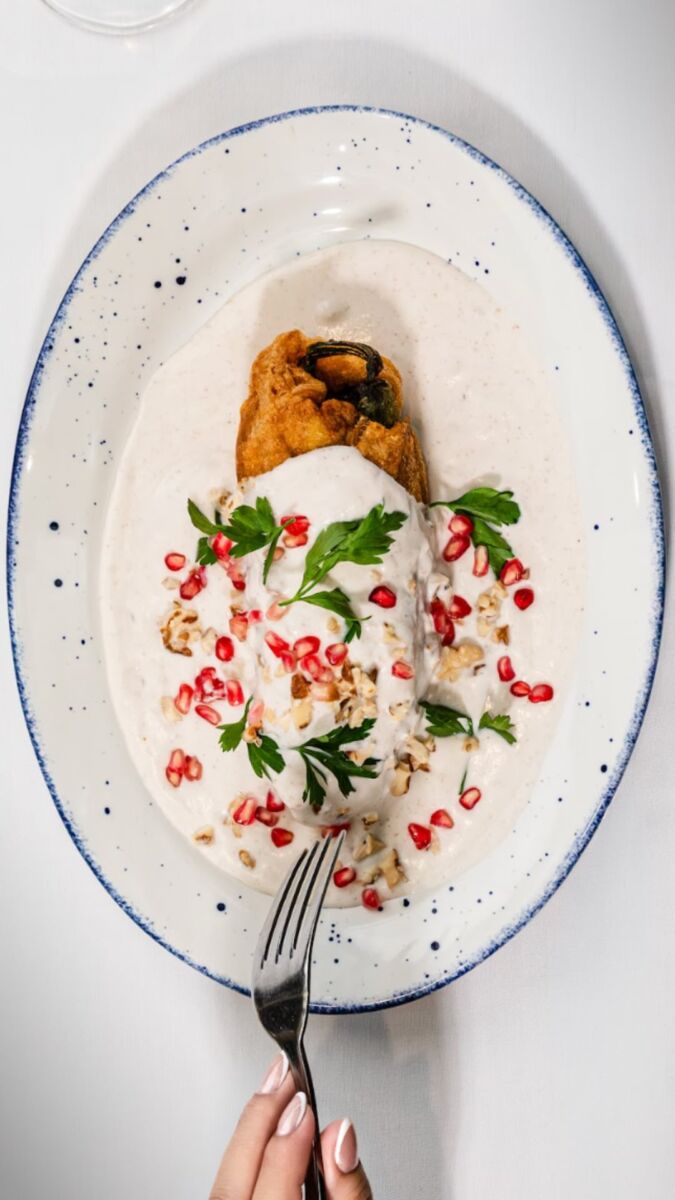
Oda al Tópico is a project where not only the tradition of chile en nogada is honored, but also its deeply Mexican context. Led by Tabasco-born chef Ramón Torres, Oda al Tópico seeks to make every meal feel like coming home, and that is exactly how it feels to try its chile en nogada. Although the chef adds his own touch to the recipe, it remains quite faithful to tradition. The filling is not made with ground meat, but chopped meat, following the original recipe from Calpan, and golden raisins are added to give it a fresher touch. In addition, the nogada is flavored with a little cinnamon and white wine instead of sherry. The pieces of Castile walnut are the finishing touch to a chile that balances its flavors with its own twist without straying from Pueblan tradition.
Palacio de Hierro
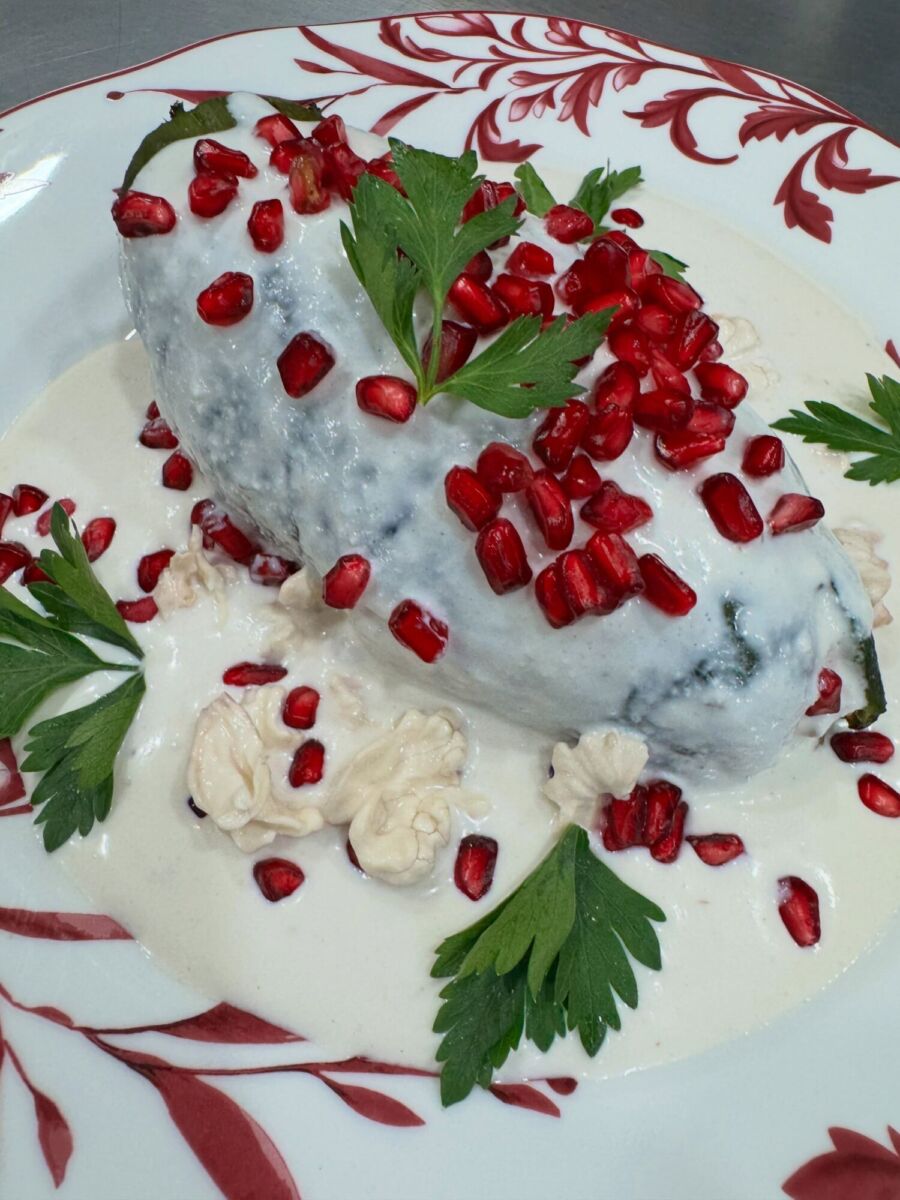
This chile en nogada season is being celebrated throughout Mexico, and Palacio de Hierro is no exception. This traditional chile en nogada recipe is prepared with ingredients that come directly from Calpan, Puebla, and it shows in every bite. Served with pieces of Castile walnut and the traditional batter—although you can request them without batter—these chiles en nogada are creamy and have a more intense sensation on the palate. This makes them ideal for those who want a richer experience that is not as sweet as others. If the traditional chiles are not enough, Palacio de Hierro also has a chile covered in puff pastry, a contemporary option that is worth trying. They are available at the various Gastronomía Palacio locations: El Restaurante Palacio, La Cantina Palacio, Le Bistro Palacio, El Huerto Palacio, and El Indio Mezcalería.
Source: foodandpleasure