
In my opinion, Mexico City is experiencing a moment of consolidation for Spanish cuisine. We left behind the idea some time ago that it is necessarily a heavy cuisine, associated with dishes such as chorizo, fabada, and other hearty preparations. Zagala is proof of this: a proposal that looks toward the sea, makes use of ingredients such as mushrooms—must-try during the rainy season in Mexico City—and offers a selection of wines that completes the experience.
Emilio: The Most Authentic Spain in Polanco
At the helm of Zagala is Bittor Sierra, a chef originally from San Sebastián who arrived in Mexico in 1999. His approach to cooking starts from something simple: eating the way people eat at home. The menu is extensive and designed for sharing at the center of the table, like those family gatherings that stretch on without a hurry. It is no coincidence that the restaurant occupies what was once a family home; Sierra seeks to recreate precisely that feeling of a house of food, a place to relax, talk, and, above all, linger over the meal.

From San Sebastián to the Zagala Table

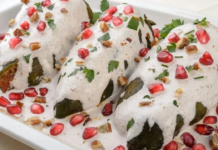
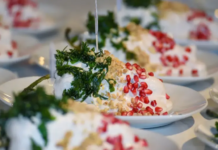
Zagala’s menu moves between deeply personal references and Mexican ingredients. There is a pepper stuffed with salad inspired by Bar Martínez, on Calle 31 de Agosto in San Sebastián; seasonal wild mushrooms, such as pambazo and chanterelles, which highlight the biodiversity of Mexican forests; sea bass with green pepper and dairy sauce, based on a 1974 recipe by chef Pedro Subijana; and a land-based fideuà with snails and beef neck.
For Bittor Sierra, cooking also means making the most of ingredients. Cheeks, shanks, beef neck, and other cuts that are often left out of the most sought-after selections find a place in the kitchen here. The logic is simple: if an animal is slaughtered, it must be respected by using as much of it as possible, while also understanding that the quality of a product is not determined by its price or by market demand. The same applies to seasonal ingredients: their natural cycles must be respected, and they should be used when they are at their best.
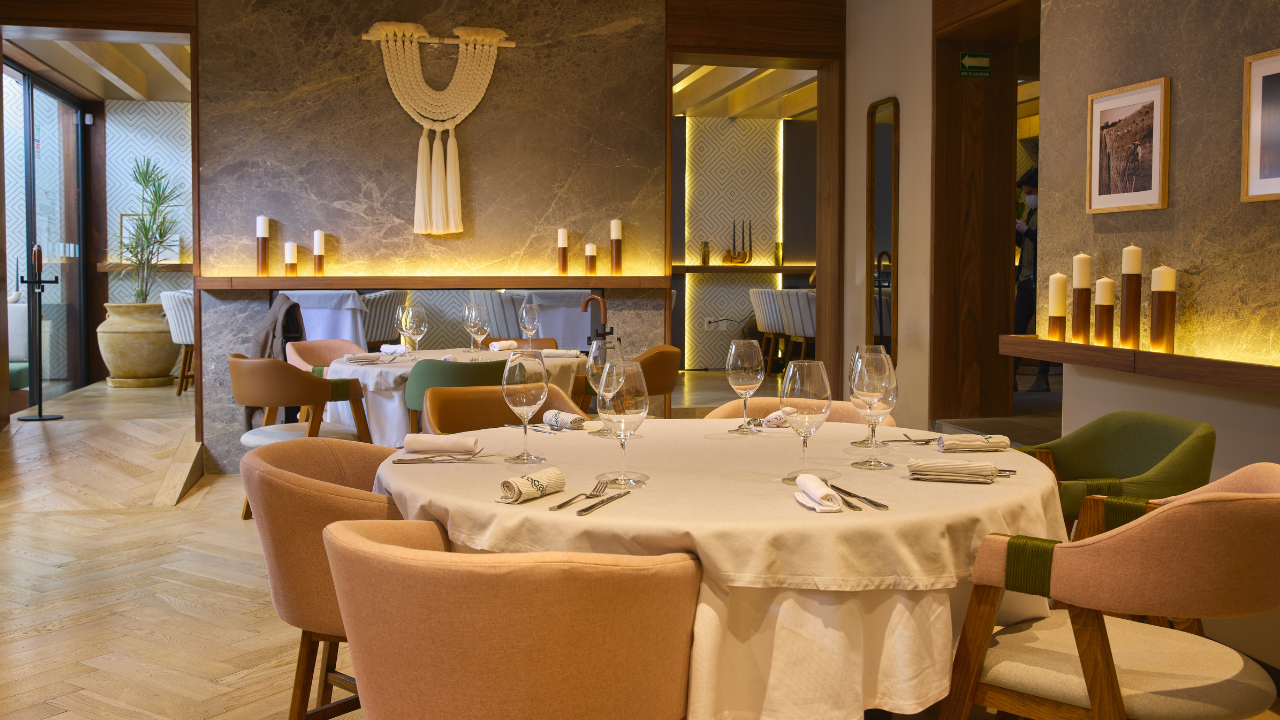
The experience at Zagala is completed by its setting in a 1950s house that preserves the spirit of a home through oak wood, earth tones, a gray marble fireplace, and works of art curated by the Faci Leboreiro architecture and interior design studio. Outside, the jacaranda tree dominates the terrace; upstairs, a rooftop invites guests to extend the post-meal conversation. Everything seems designed for the same thing Bittor Sierra seeks in his cooking: eating without rushing, talking, and feeling, even if only for a few hours, at home.

Zagala
Monte Athos 185, Lomas de Chapultepec IV Secc., Miguel Hidalgo, Mexico City.
Source: foodandwineespanol