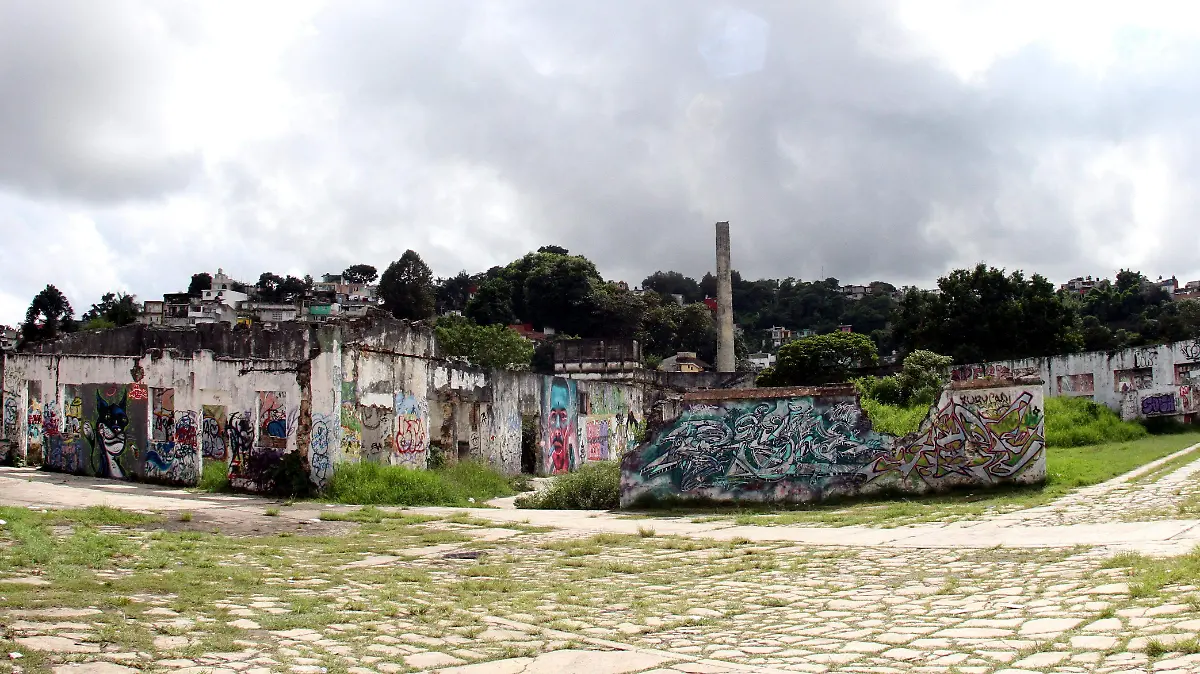

The neighborhood of San Bruno, in Xalapa, changed profoundly following the events of August 28, 1924, when twelve workers from the former San Bruno Textile Factory were kidnapped and subsequently executed during a staged assault.
More than a century later, the events remain part of the collective memory of the neighborhood and of Xalapa. The residents of San Bruno have continued preserving the memory of the workers who were killed and the struggle they represented.
The tragedy occurred at a time when the organization of workers and their demands for better labor conditions were becoming increasingly important in the region.
The workers’ movement in San Bruno was not limited to labor demands. Its influence extended to the social and political organization of the community and eventually contributed to changes in the distribution of land and the growth of Xalapa.
The history of these workers, however, has not received the same attention in national historical narratives and school textbooks, despite its importance to the development of the city and the labor movement in Veracruz.
Historic Struggle and Bloody Repression
The events of August 28, 1924, marked one of the darkest episodes in the history of the San Bruno neighborhood.
Twelve workers from the former San Bruno Textile Factory were taken from the facility and later executed. According to historical accounts, the incident was presented as an assault, but the workers were actually targeted because of their involvement in the labor movement.
The factory had been established in the nineteenth century and became an important center of employment and community life.
The organization of workers grew over the years. In 1910, the Revolutionary Emancipating Workers’ Union of San Bruno was established, becoming an important expression of the workers’ organization in the area.
The workers’ demands were connected to better working conditions, greater labor rights and opposition to abuses affecting employees.
The repression of 1924 therefore had consequences beyond the immediate deaths. The massacre became a symbol of the risks faced by organized workers and left a lasting mark on the community.
The Struggle That Continued in San Bruno
The death of the twelve workers did not erase the organization and identity that had developed in the neighborhood.
Instead, the memory of the Mártires del 28 de Agosto became an important part of San Bruno’s identity.
The neighborhood’s residents have continued to commemorate the workers through ceremonies, cultural activities and public events.
In 2024, the city of Xalapa commemorated the centenary of the Mártires del 28 de Agosto, recognizing the historical importance of the workers and their struggle.
The Universidad Veracruzana has also recognized the historical significance of the former San Bruno factory and its workers. The university has described the factory as a key place from which new forms of political and social emancipation emerged.
The history of San Bruno therefore remains connected not only to the tragedy itself but also to the broader history of workers’ organization in Veracruz.
The Context That Changed the City
The events surrounding the Mártires del 28 de Agosto occurred during a period of significant political and social transformation in Mexico.
Xalapa was also experiencing changes in its urban development and the relationship between the city and its surrounding rural areas.
The workers’ struggle in San Bruno eventually became connected with the distribution of land, community organization and the expansion of the capital.
The neighborhood’s history demonstrates how labor movements could influence social and urban development beyond the workplace.
San Bruno evolved from a community closely linked to the textile factory into one of the most historically significant neighborhoods of Xalapa.
The former factory itself became an important symbol of this history.
Memory of the Mártires Remains Alive
Today, the residents of San Bruno continue to preserve the memory of the workers who were killed.
The story has been passed from one generation to another, keeping alive the names and struggle of the Mártires del 28 de Agosto.
The community’s efforts have helped prevent the tragedy from disappearing completely from local history.
The commemoration of the workers also serves as an opportunity to reflect on the history of labor rights, social organization and workers’ struggles.
The centenary commemorations in 2024 demonstrated that the story remains relevant more than one hundred years after the massacre.
The history of San Bruno continues to be part of Xalapa’s identity, while the memory of the twelve workers remains a symbol of the neighborhood’s struggle and resistance.
The story also continues to have relevance in the present, particularly in discussions about labor rights, working conditions and the loss or deterioration of employment benefits.
Source: oem