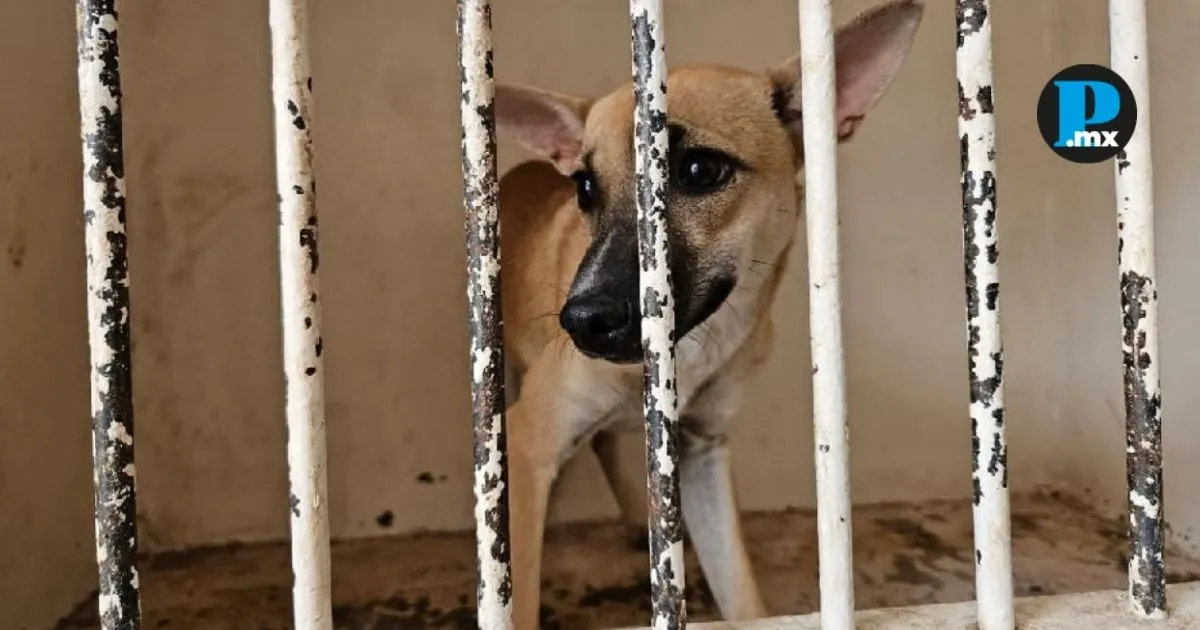

The Citizen Animal Protection Observatories of Puebla, Tlaxcala, and Jalisco warned that the federal bill could allow the elimination of stray dogs and cats under the argument of “population control.”
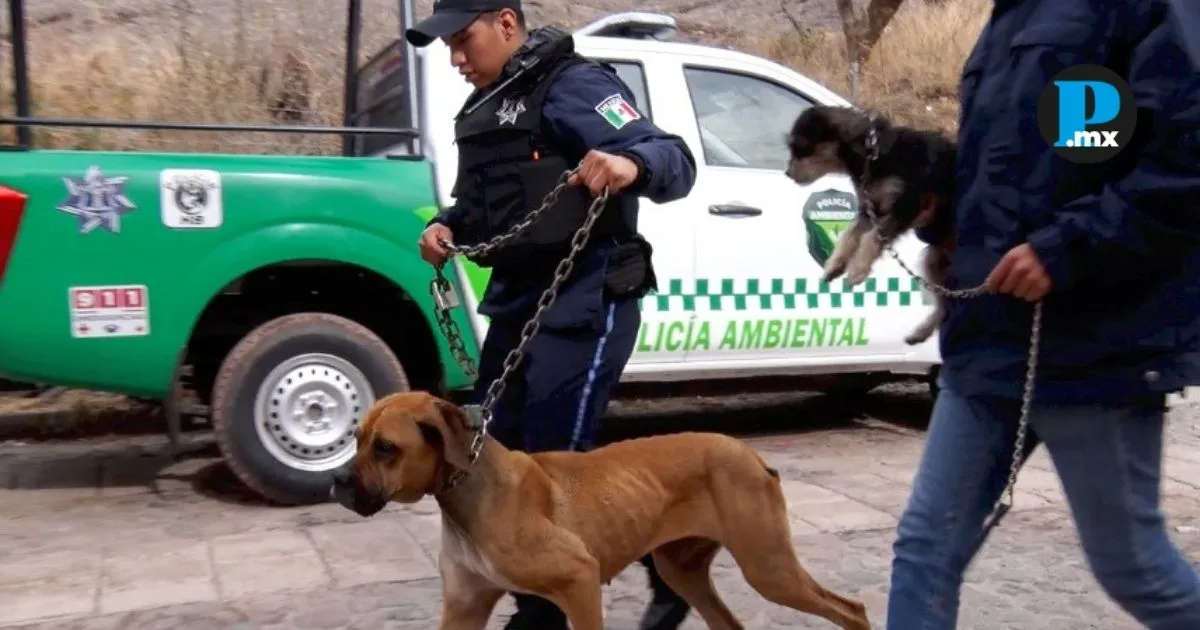
The Citizen Animal Protection Observatories of Puebla, Tlaxcala, and Jalisco raised concerns about the content of the proposed General Law on Animal Welfare, Care, and Protection, arguing that some of its provisions could open the door to the elimination of stray dogs and cats under the argument of “population control.”
The citizen organizations considered that this possibility represents a setback in animal protection and could contradict advances achieved in state legislation. They also argued that it could allow practices that do not correspond with scientific evidence or international animal welfare standards.
In Puebla and Tlaxcala, two of the observatories supporting the warning were established. The Citizen Animal Protection Observatory of Tlaxcala was created in 2023, while the Puebla observatory was consolidated in 2026. Together with the Jalisco observatory, they are demanding that federal legislation not turn the killing of animals into a population-control mechanism.
The three observatories further warned that, as currently proposed, the bill could limit the stronger protections that already exist in some states, by establishing provisions that would function as a ceiling rather than as a minimum protection standard for the entire country.
They therefore proposed that the future law legally recognize the concept of the community animal and permanently establish Capture, Sterilization, Vaccination, and Return (CSVR/TNVR) programs as an alternative to the sacrifice or elimination of animals.
The observatories also demanded that any national population-control policy be consistent with scientific evidence, the standards of the World Organisation for Animal Health (WOAH), and the Five Domains of Animal Welfare framework, rather than resorting to lethal measures in response to the presence of homeless animals.
The observatories urgently requested the establishment of a Political-Technical Working Group, including representatives of citizen organizations, specialists, and the different sectors involved, before the bill advances in the Congress of the Union.
They clarified that their position does not seek to stop the creation of general legislation on animal welfare, but rather to participate in its development to ensure that the new law establishes stronger national standards while also respecting and raising the levels of protection already achieved by the states.
The organizations rejected the possibility that national legislation could legitimize, under concepts such as “population control,” practices involving the elimination of dogs and cats, instead of prioritizing prevention, sterilization, veterinary care, vaccination, and return programs.
For additional information, the Citizen Animal Protection Observatory of Puebla made the telephone number 221 842 1174 and the email address [email protected] available, while the Tlaxcala observatory can be contacted at 241 137 6721 and [email protected].
Source: elpopular