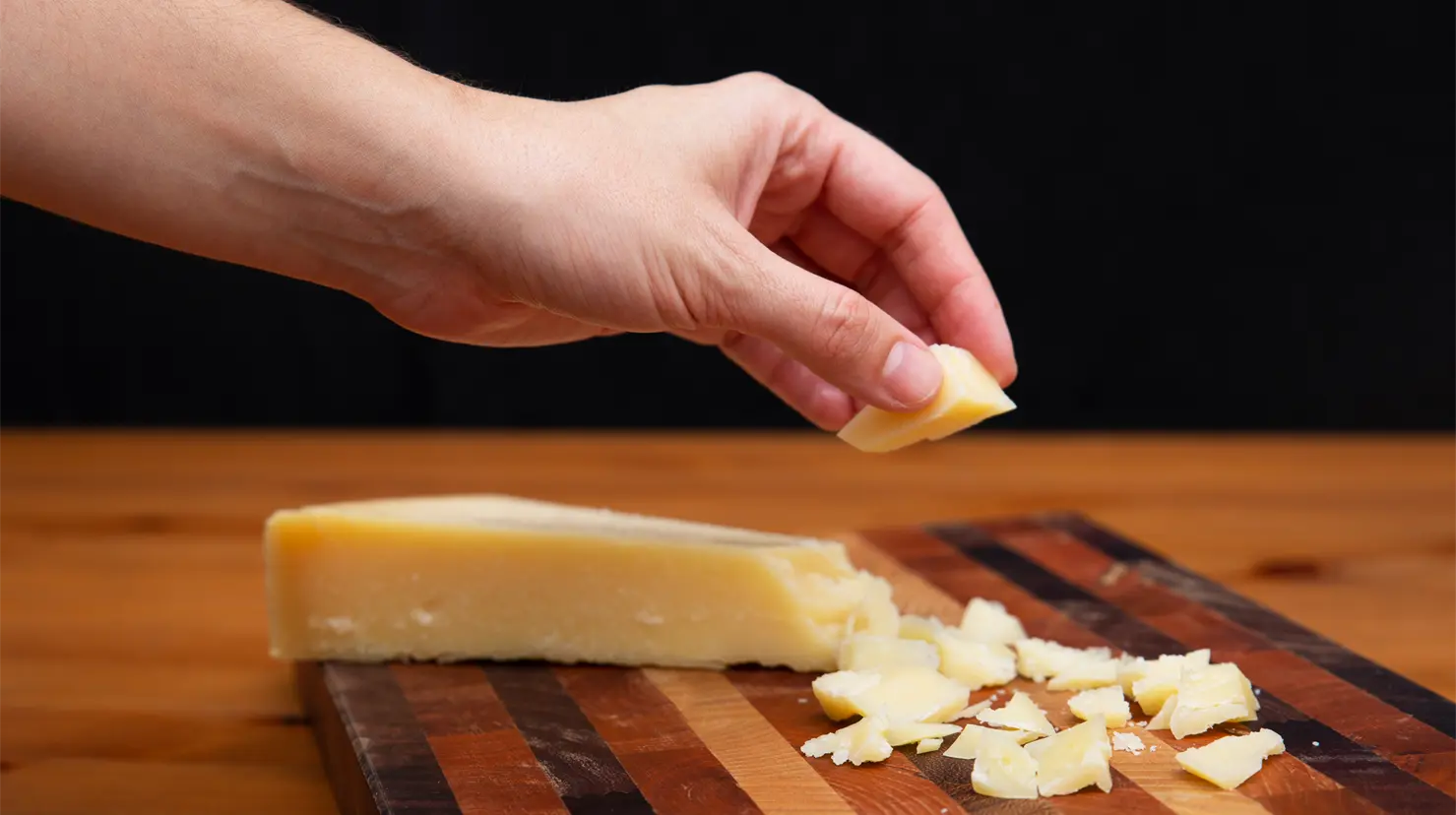

If you live in Yucatán or are visiting, you know that Edam cheese is not just another ingredient: it is a true gastronomic obsession.
Its strong, salty, and creamy flavor has conquered everything from traditional grandmothers’ kitchens to the most popular street desserts.
Taking advantage of the fact that this weekend Gran Parque La Plancha is filled with flavor for the 2026 Edam Cheese Fair, here are the Yucatecan dishes and snacks that simply would not be the same without this iconic ingredient.
Which Yucatecan dishes include Edam cheese in their recipes?
Edam cheese is an indisputable pillar of Yucatecan cuisine, adding a salty and deep contrast to traditional recipes and everyday snacks. Here are some of the must-try dishes that include it in their preparation:
- Queso Relleno: The quintessential classic; the cheese is hollowed out, filled with seasoned ground meat, and served covered in kol sauce and chiltomate.
- Marquesitas: The iconic hot and crispy wafer filled with plenty of grated Edam cheese, either on its own or combined with sweet creams.
- Chaya Empanadas: Fried dough empanadas made with chaya, filled with Edam cheese that melts as they are cooked and served with tomato sauce.
- Puff Pastries and Edam Cheese Braid: Soft, slightly sweet puff pastry filled with Edam cheese and ham, ideal for an afternoon snack.
How did a Dutch cheese become a central part of Yucatecan cuisine?
Edam cheese arrived in the Yucatán Peninsula during the colonial period thanks to intense maritime trade between Europe and the Caribbean.
Dutch ships used it because of its incredible durability; the red wax coating covering the cheese allowed it to withstand long sea voyages and the hot climate without spoiling.
Although it was initially considered a luxury ingredient reserved for the elites, it soon became integrated into the region’s culinary mestizaje.
Queso Relleno is the perfect example of this fusion: it combines the technique of Dutch Edam cheese with a Spanish-style seasoned meat filling and the Mayan flavors of achiote, chaya, and local sauces.
Source: posta