
Mexico City is a museum in itself, but some of its venues have been telling stories for much longer than we might imagine. In fact, the roots of several of the museums we visit today date back to the 19th century and even to the first years of independent Mexico.
Before the major museums we know today existed, there were already collections of natural history, archaeology, art, and historical objects that sought to preserve and explain the country’s past. Some of these collections changed locations and were divided over time, but they ultimately gave rise to institutions that remain open to the public. If you want to learn about the city’s museums with the longest histories, start with these.
The oldest museums in Mexico City you need to know
Museo Nacional de las Culturas del Mundo
📍 Moneda 13, Historic Center
Here, we have to take a little trip back in time. The origins of this museum date back to 1825, when Guadalupe Victoria, Mexico’s first president, promoted the creation of the National Museum with the advice of Lucas Alamán. Decades later, in 1865, Maximilian decreed that collections of natural history, archaeology, and history should be concentrated there.
The building it currently occupies was also the first Mint during the colonial period and later served other purposes. Since 1965, it has housed the National Museum of Cultures, dedicated to showcasing the world’s cultural diversity through objects, art, and traditions from different civilizations.

Museo Nacional de Antropología
📍 Paseo de la Reforma and Calzada Gandhi, Chapultepec
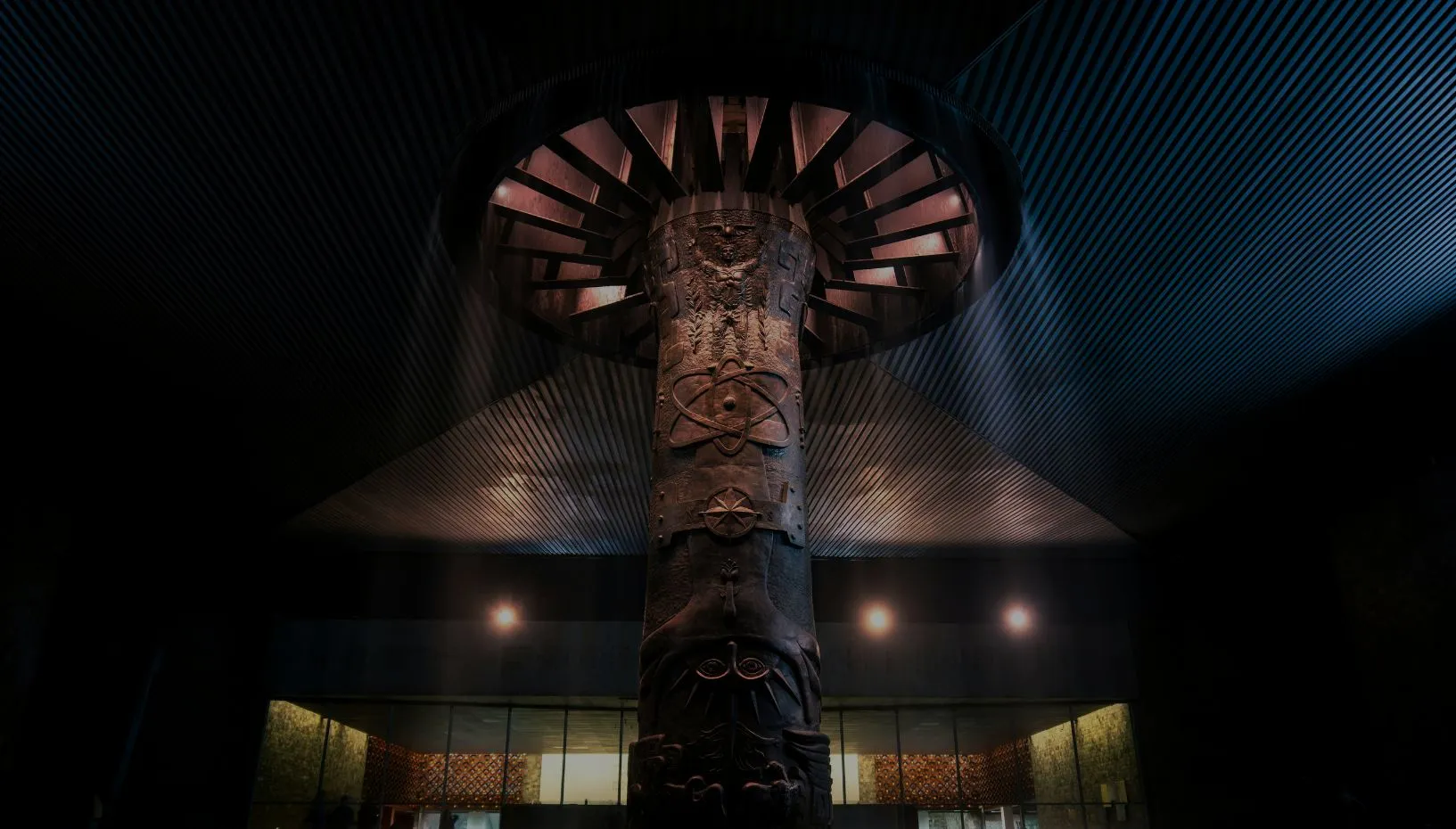
Although the spectacular Chapultepec building opened its doors in 1964, the history of the Museo Nacional de Antropología began much earlier. Its collections originated in the Mexican National Museum, created in 1825, considered Mexico’s first museum. Throughout the 19th century and the beginning of the 20th century, the collections continued to grow and were reorganized until the museum we know today was finally established, dedicated to the archaeology and anthropology of Mexico.

Museo de Geología de la UNAM
📍 Jaime Torres Bodet 176, Santa María la Ribera
This Porfirian-era building is a true gem of Santa María la Ribera and one of the oldest scientific venues in the city. It was officially inaugurated on September 6, 1906, on the occasion of the 10th International Geological Congress, and was originally built to house the National Geological Institute.
In 1956, when the Institute’s staff moved to Ciudad Universitaria, the historic building began its new life as a museum. Today, it houses collections of minerals, fossils, and meteorites, in addition to spectacular architecture featuring stained-glass windows, staircases, and Art Nouveau details.
Museo del Chopo
📍 Dr. Enrique González Martínez 10, Santa María la Ribera
Before becoming one of the city’s most beloved cultural spaces, the Chopo building was known as the Crystal Palace. The structure was used for a Japanese industrial exhibition in 1910 and, three years later, became the home of the Natural History Museum.
Over the following decades, the venue became popularly known as the Museo del Chopo and came to receive as many as 1,200 visitors per day. Over time, its focus changed, and today it is one of the UNAM’s fundamental spaces for contemporary art, music, and more alternative cultural expressions.

Museo de Historia Natural y Cultura Ambiental
📍 Second Section of Chapultepec Forest
Yes, there is a little trick here. The institution has roots that can be traced back to the National Museum and the natural history collections that began to be organized in the 19th century, but the museum we know today opened its doors on October 24, 1964, in the Second Section of Chapultepec. The museum was created during a period of major efforts to establish cultural venues in Mexico and was specifically designed to bring the natural sciences closer to the public.
Museo Nacional de San Carlos
📍 Av. México-Tenochtitlán 50, Tabacalera
The museum itself opened in 1968, but its collection has a much longer history. Its works began to be assembled through the Royal Academy of San Carlos, formally founded in 1785, an institution that housed the first art museum in Latin America.
The European art collection was later transferred to the building known as the Palace of the Count of Buenavista, where the Museo Nacional de San Carlos opened its doors in 1968. Today, it houses works by artists such as Goya, Zurbarán, Tintoretto, and Dürer, among many others.

La Antigua Academia de San Carlos
📍 Academia 22, Historic Center
Although it does not currently operate as a museum, it would be impossible to discuss the oldest museums in Mexico City without mentioning it. La Academia de San Carlos began its activities in 1781 and was formally established and inaugurated during the 1780s. In addition to being one of the first institutions for artistic education in the Americas, it once housed the first art museum in Latin America. Its history is directly connected to the origins of important art collections that are now part of other venues, including the Museo Nacional de San Carlos.
The next time you visit a museum in Mexico City, also pay attention to the building, the collections, and everything that had to happen for that place to reach us. Some of these venues have spent more than a century changing names, locations, and purposes, but they all have something in common: they are part of the city’s living history.

Source: thehappening