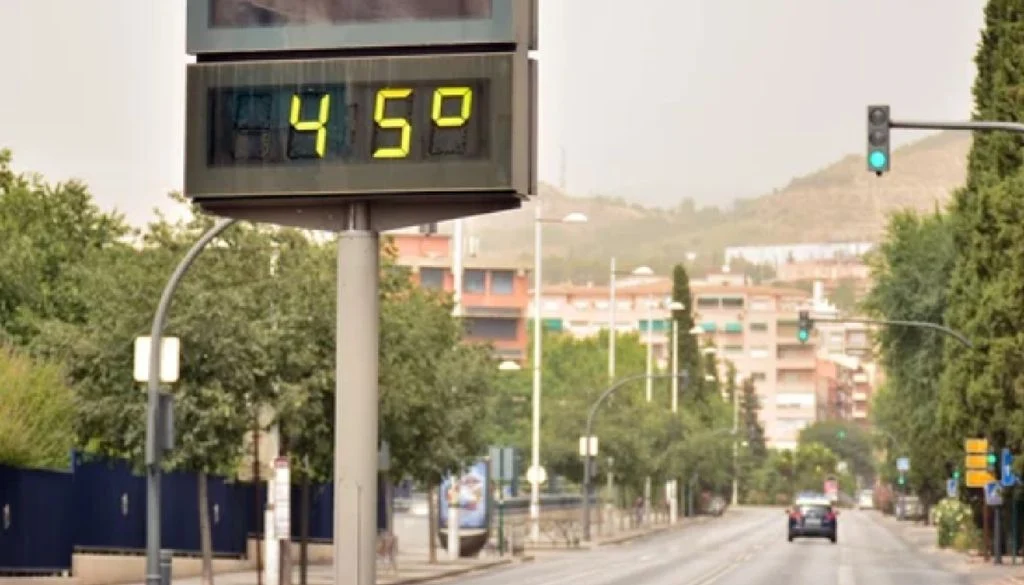

In several regions across Mexico, heat is a constant presence that shapes lifestyles, routines, and even daily activities. While some people adapt to it, for others the conditions are unbearable.
In several states, maximum temperatures easily exceed 45 °C.
In recent years, the significant increase in surface air temperature has been observed with concern and interest. This trend is related to the persistence of high-pressure systems and not necessarily to the climatic conditions in the country.
According to reports from the World Meteorological Organization (WMO) and records from Mexico’s National Meteorological Service (SMN), surface temperatures globally and, particularly, in Mexico have increased above average over time.
As the data are updated year after year, the upward trend in temperature continues to be observed. In addition, the predominant ecosystem in some regions of the country and the lack of bodies of water do not favor the cooling of the air, allowing heat to accumulate.
Around the world, excessive heat continues to be a growing concern. Phenomena such as heat waves and extensive high-pressure systems have also contributed to temperature records being broken year after year.
1. Baja California, Extreme Heat at Its Best
Due to its topography, altitude above sea level, predominant ecosystem, barriers that block the movement of cool and humid ocean air, as well as high levels of solar radiation, these are some of the factors that make Baja California and places such as Mexicali among the hottest territories.
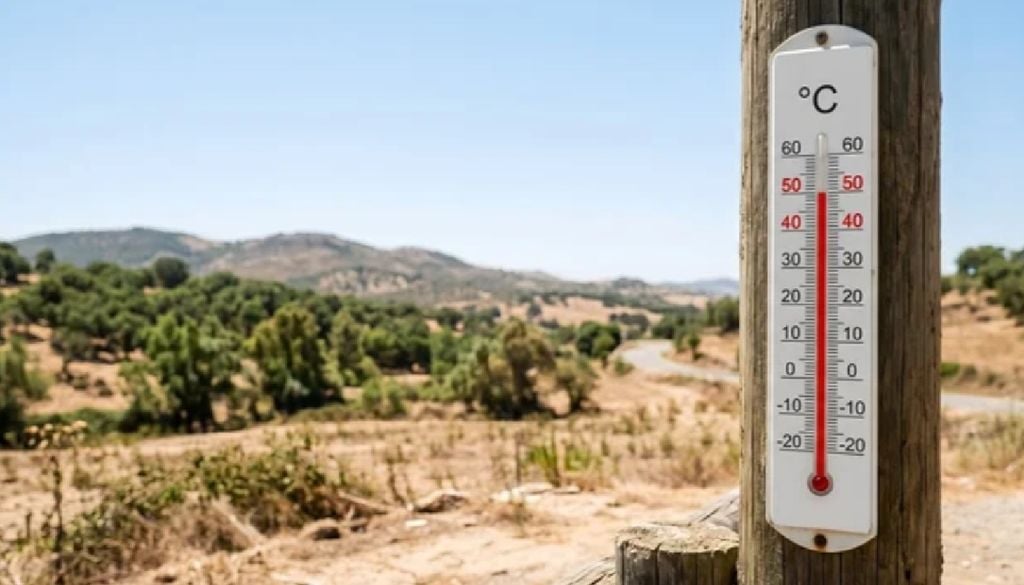
The northwestern region of the country is one of the hottest areas in Mexico.
It is well known that in this region, outdoor activities are limited to the early morning or evening hours, avoiding going outside between 12:00 p.m. and 4:00 p.m. If you are planning to visit this state, the best months are from November to April, when temperatures are moderate.
2. Sonora and Its Dry Conditions
This state in northwestern Mexico has an extreme physical environment, with maximum surface air temperatures exceeding 45 °C. Much of its territory, in terms of latitude, lies within the belt of the great deserts around the world.
Climatologically, the months with the highest temperature records occur between May and June. The best time to visit this area is between November and March, when conditions are pleasant for walking through the cities.
3. San Luis Potosí and Its Huasteca Region
The persistence of extreme thermal conditions in San Luis Potosí is related to dry conditions and the desert ecosystem that dominates part of its territory.
The hottest conditions in the region are considered to occur between June and August. However, November through April is generally the best season to visit this state.
Health authorities have reported that high temperatures pose significant health risks due to heatstroke and dehydration. Therefore, people are advised to avoid prolonged exposure to direct sunlight and to take particular care of children and older adults.

4. Tamaulipas in the Far Northeast of the Country
Another area of Mexico where the weather is quite hot during the spring and summer seasons is Tamaulipas. One of the factors that significantly influences the area is the presence of humidity, which additionally creates a heavy and muggy environment.
In regions such as the northern area and the border, a dry and extreme climate predominates, where thermometers can reach extremely high values during the hot season, while the perceived temperatures can also be extreme. By contrast, the weather is generally more pleasant between March and May.
5. Chihuahua, the Big State
Another territory where high temperatures are particularly common is the state known as the Big State: Chihuahua. It is well known that, particularly in its desert region, the heat is relentless. According to SMN records, maximum temperatures exceed 50 °C in the shade in municipalities such as Aldama and Ojinaga.
In this state, unlike what occurs in Tamaulipas, the predominant environment is dry. During the hot season, health authorities frequently urge people to avoid exposure to direct sunlight, stay hydrated, and wear light-colored clothing. Between October and November, the weather is generally pleasant for exploring everything this beautiful region has to offer.
Source: meteored