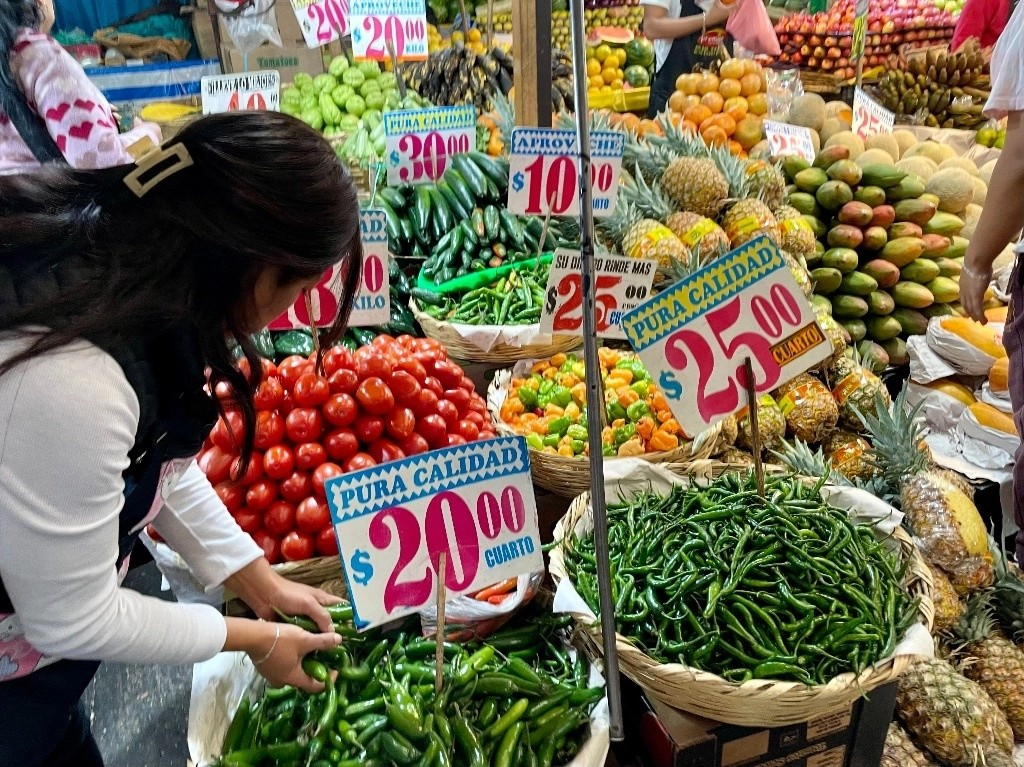

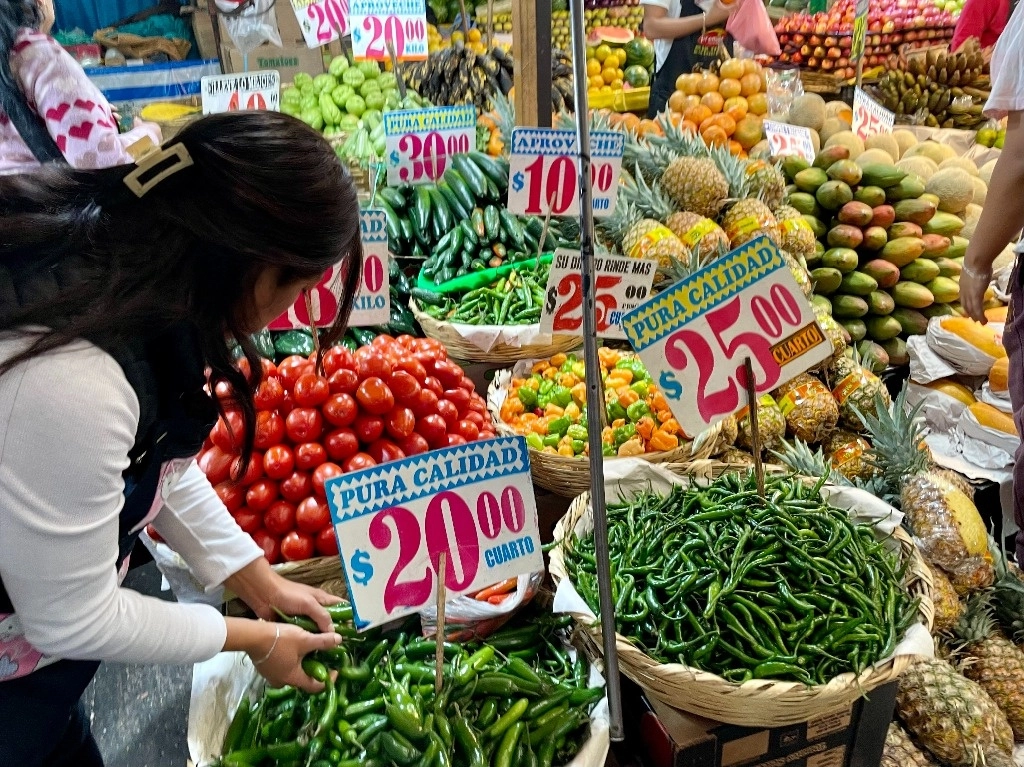
Most of the population living in working poverty cannot afford to buy half of the basic food basket, as their income can only cover a little more than 40 percent of it, according to an analysis by BBVA on Tuesday.
“On average, and at the end of the first quarter of this year, the population living in working poverty can only cover 42.3 percent of the food basket with their work income,” the document indicated.
The population living in working poverty is the universe of people who cannot buy the basic food basket in the country with their total income.
This contrasts with the universe of the population that is not in this situation, as according to the bank, the income of other workers is equivalent to 2.7 times the value of the basic food basket.
According to BBVA’s analysis, from the third quarter of 2007 to the fourth quarter of 2015, the indicator was increased, as the income of people in a situation of working poverty went from covering 40.5 percent of the value of the basket to 46.5 percent.
Then, the fourth quarter of 2015 was the period in which, on average, income covered more than the value of the food basket among the population in working poverty with 46.5 percent.
However, after the pandemic, in the third quarter of 2020, there was the greatest deterioration in the coverage that the income of the population in working poverty had with respect to the value of the food basket, since only 39.2 percent could be covered on average.
And from the first quarter of 2023 to the first quarter of 2024, “the proportion of a food basket that can be purchased with the labor income of people in working poverty has been deteriorating, as it went from 45.7 percent to the current level.”
“After the start of the pandemic (from the first quarter to the third quarter of 2020), the population that was in working poverty had greater impacts in the proportion of baskets that could be purchased with their labor income compared to those who were not in working poverty,” BBVA pointed out.
It said that, in the last year (from the first quarter of 2023 to the first quarter of 2024), the gap has widened in the proportion of baskets that can be purchased with labor income between people in a condition of working poverty compared to those who are not “since there is a deterioration in this proportion for the population in working poverty, while it has improved for the population that is not in working poverty.”
Source: jornada