
The perception of insecurity in the main cities of Tamaulipas decreased in the second quarter of the year, revealed the National Survey of Urban Public Security (ENSU) conducted by INEGI.
Compared to the feeling of insecurity felt by Tamaulipas residents at the beginning of the year, INEGI recorded slight advances in Reynosa, Nuevo Laredo, Ciudad Victoria and Tampico, although the fear of going out on the streets remains high.
In Reynosa, 75.2% of the people surveyed aged 18 and older said they felt unsafe when they went out on the streets; in turn, 52.6% of the residents of Ciudad Victoria said they felt fear; in Nuevo Laredo, 41.4% and in Tampico, 21.5%, being the municipality of Tamaulipas with the lowest percentage of the population that says they are afraid of living in that city.
In Tamaulipas, people feel unsafe at ATMs located on public roads; They are afraid of being on public transport, going out on highways, in banks, even on the streets they normally use, but they are also afraid of shopping, using parks and gardens, and travelling in their private cars. The places where they feel safest are at home, at school and at work.
In recent months, 15.6% in Reynosa said they had been victims of robbery and/or extortion and other crimes, such as assault on the street or on public transport, total theft of the vehicle, theft of accessories and car parts, home robbery and other types of theft.
17.2% of those surveyed in Nuevo Laredo said they had been victims of crime; 10.8% in Ciudad Victoria and 10.4% in Tampico.
As a result of the above, those surveyed believe that in the next 12 months the crime and insecurity situation in their city will remain just as bad.
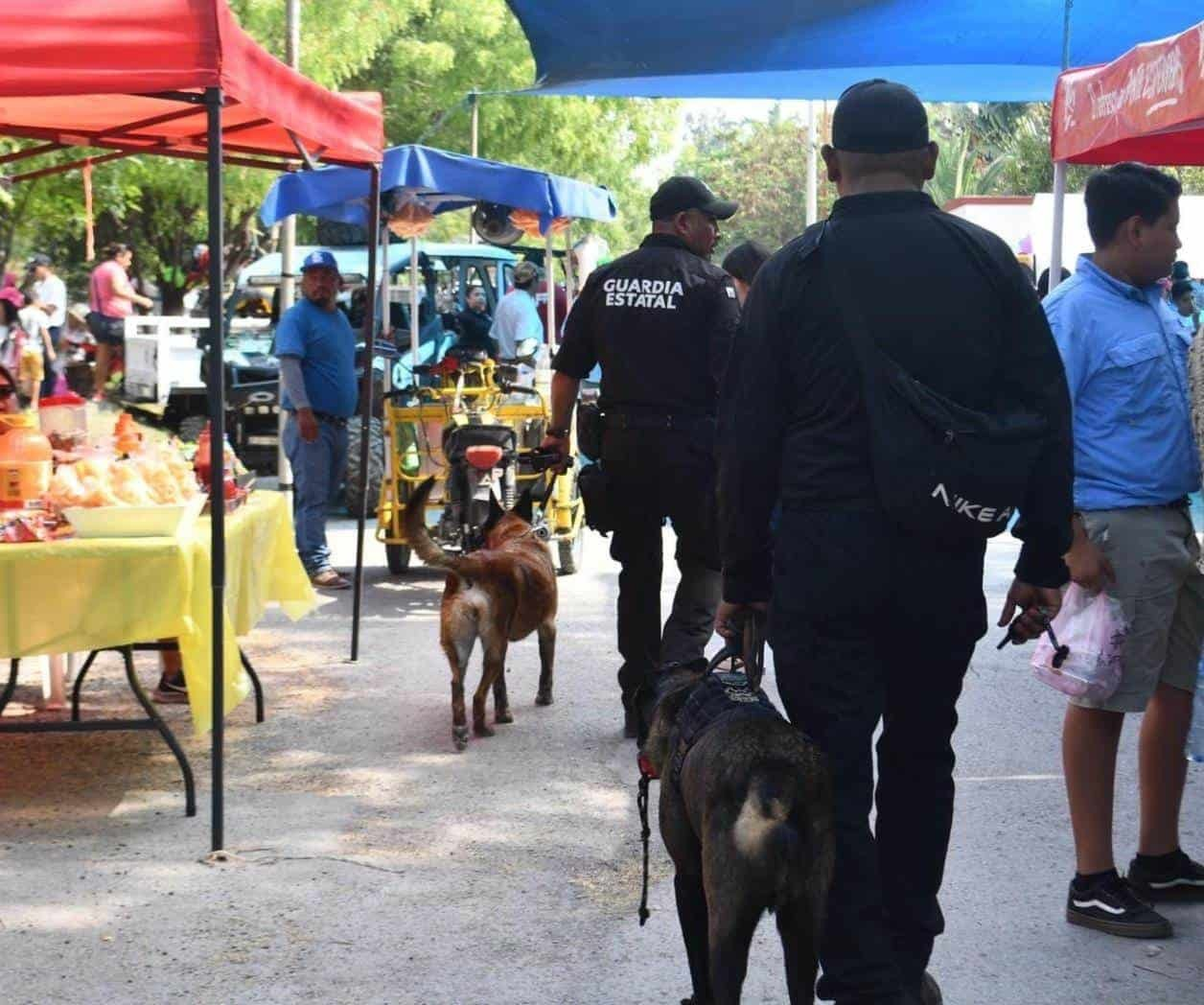
Among the results of the ENSU corresponding to June 2024, the low confidence in public security authorities, such as the State Police, the Preventive Police and the Traffic elements, stands out, in contrast to the federal corporations of the Navy, the Army, the Air Force and the National Guard.
Likewise, it was found that citizens are dissatisfied with municipal and state authorities due to the constant failures and leaks in the supply of drinking water, insufficient public lighting.
Among the main demands are the patching of potholes in the streets and avenues, failures and leaks of drinking water, insufficient public lighting, traffic jams in streets and avenues; drains clogged by accumulation of waste, crime, such as theft, extortion, kidnapping, fraud, among others.
- In June 2024, 59.4% of the population aged 18 and over, residing in 90 cities of interest, considered it unsafe to live in their city, reported the National Institute of Statistics and Geography (INEGI), which represents a significant change in relation to the percentages recorded in March 2024 (61%) and in June 2023 (62.3%), it says.
According to data collected in the National Urban Public Security Survey (ENSU) for the second quarter of 2024, last month, 65.1% of women and 52.4% of men considered living in their city to be unsafe.
The cities with the highest percentage of people aged 18 and over who considered living in their city to be unsafe were Fresnillo, Zacatecas, with 94.7%; Naucalpan de Juárez, State of Mexico, with 89.2%; Uruapan, Michoacan, with 86.8%; Irapuato, Guanajuato, with 84.8%; Tapachula, Chiapas, with 84.7% and Zacatecas, Zacatecas, with 84.7%.
While the cities where the perception of insecurity was lower were San Pedro Garza Garcia, Nuevo Leon, with 11.7%; Piedras Negras, Coahuila, with 14.3%; Los Cabos, Baja California, with 16.7%; Los Mochis, Sinaloa, 18.7%; Benito Juarez, Mexico City, 18.9% and Saltillo, Coahuila with 21.4%.
Source: elmanana