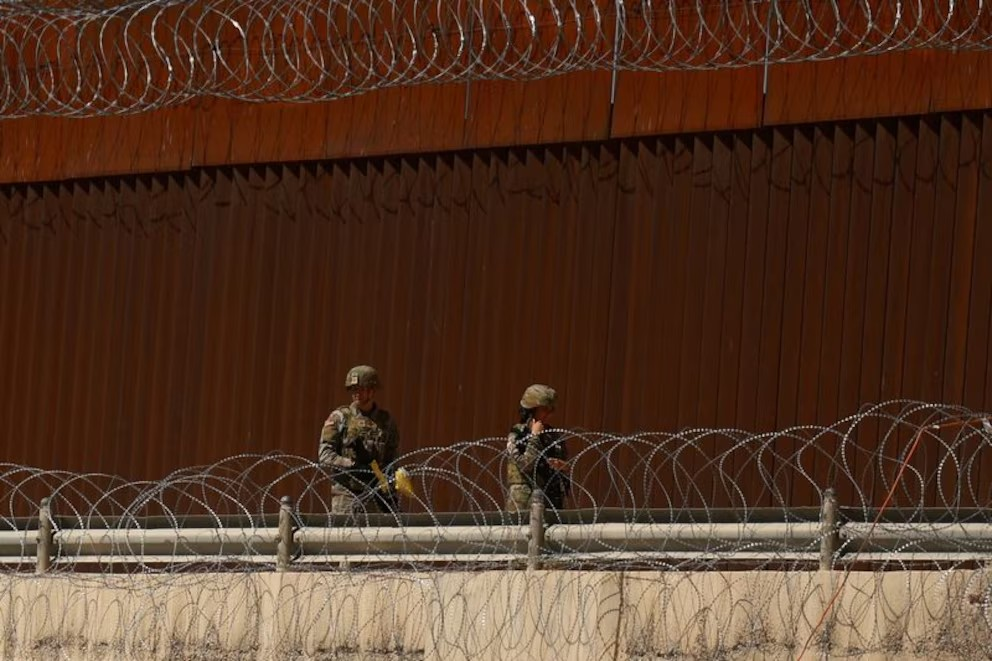

During the first four months of 2025, Mexico recorded a 77% drop in the detention of people with irregular immigration status compared to the same period the previous year, according to data from the Migration Policy Unit (UPM) of the Ministry of the Interior.
Between January and April of this year, 108,489 detentions were recorded, a significantly lower figure than the 465,191 recorded during the same period in 2024, a year in which a record of more than 1.2 million detentions was reached.
Even with the reduction, the total in Mexico exceeds that at the southern border of the United States, where 96,210 encounters with migrants were reported during the same period, also representing an 87% drop for that country.
What nationalities were the detained migrants?
The figures show a sustained month-over-month decrease. In January, 63,457 arrests were recorded, while in April the number dropped to just 5,898. Regarding the origin of the migrants, Venezuela led the list with 25.9% of cases, followed by Colombia with 8.2% and Ecuador with 7.6%.
Geographically, 62% of the migration events took place in Tabasco, followed by Chiapas with 22%. Regarding the method of detention, 81.8% of the individuals were “presented” at National Migration Institute (INM) stations, while the rest (mainly minors and families) were “referred” to shelters run by the National DIF System. Of this group, 7,578 minors under 12 years of age were identified, 47 of them traveling unaccompanied.
Assisted Return and Direct Deportation Program
In addition, between January and April, 3,970 people were returned to their countries of origin through assisted return or deportation.
The majority were sent to Honduras (2,200 people) and Guatemala (1,070). Regarding immigration status, 88% of those detained were issued an “exit document,” giving them 30 days to leave the country. Eleven percent abandoned the administrative procedure, and the rest were regularized or recognized as refugees.
It should be noted that the statistics no longer include the issuance of humanitarian visitor cards, a document that previously allowed asylum seekers to legally remain in Mexico.
Source: infobae