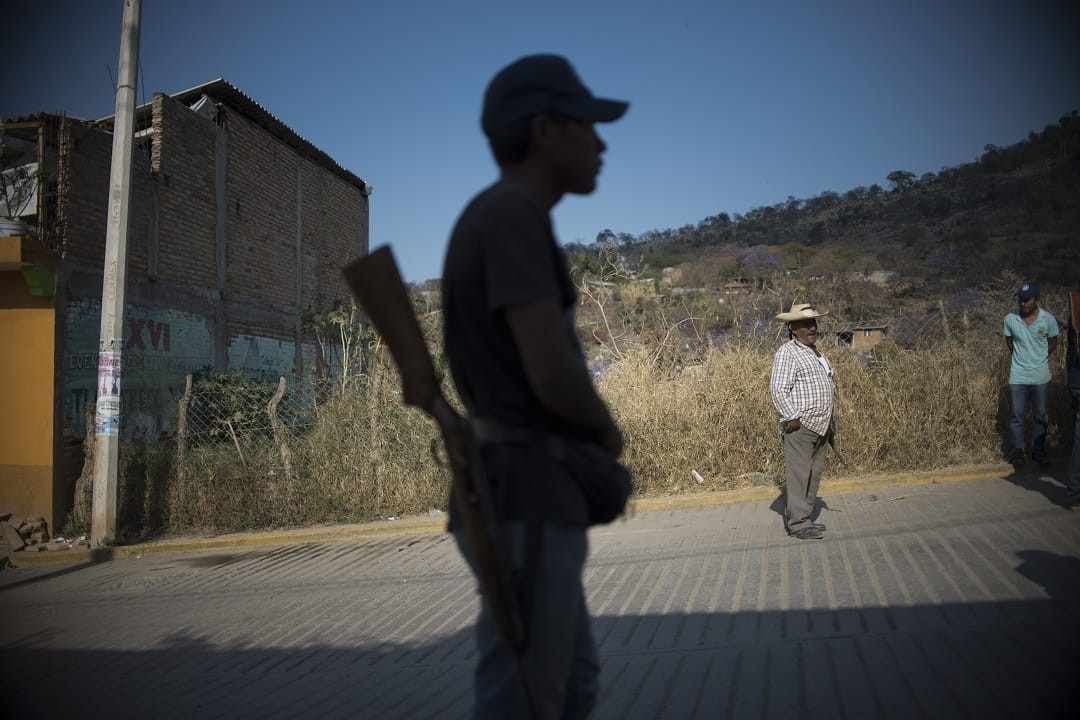

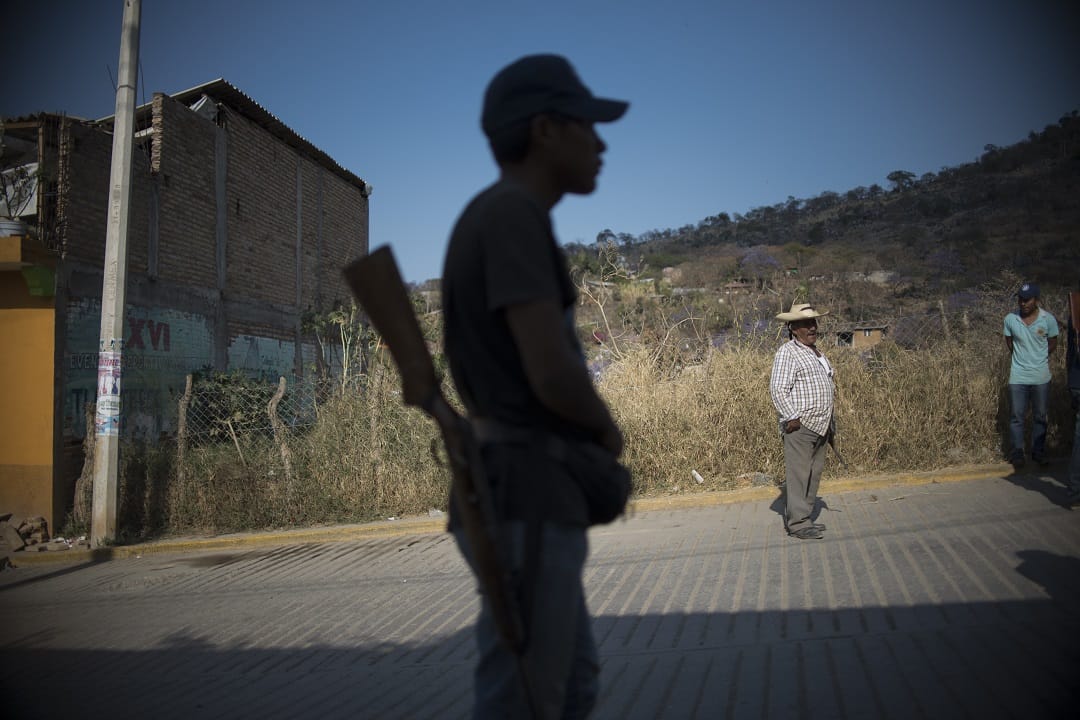
The involvement of minors in organized crime is increasingly common in Sonora, Mexico, authorities warned.
The Attorney General’s Office in Sonora revealed that at least 349 minors, between the ages of 10 and 12, have been detained for their alleged involvement in organized crime activities in the state.
On July 10, 2025, the delegate of the Attorney General’s Office (FGR) in Sonora, Francisco Sergio Méndez, publicly reported that at least 349 minors between the ages of 10 and 12 have been detained for their alleged involvement in activities linked to organized crime in the state.
According to the official, the figure is derived from open investigation files and ongoing judicial proceedings, in which the involvement of minors in functions such as surveillance, weapons transfer, and other logistical tasks has been documented.
The Attorney General’s Office in Sonora has documented cases in which minors detained for ties to organized crime are not originally from the state, but were transferred from other states, according to Francisco Sergio Méndez.
“There are cases where the minors are not from here; they are brought from other states, often through deception or due to the violence they experience at home, and they end up in the hands of organized crime.”
Once in Sonora, they were allegedly recruited into criminal cells. Federal authorities have not specified whether the children were forced or voluntarily involved, but confirmed that their family and social environment significantly influence their recruitment.
Proposal for Tougher Criminal Cases
In response to the problem, the Attorney General’s Office delegate in Sonora has publicly raised the need to toughen penalties for those who involve minors in organized crime activities, suggesting that the penalties could be tripled when the use of children in criminal activities is proven.
In April 2025, the Justice Commission of the Sinaloa Congress approved a reform to the local Penal Code that toughens penalties for “halconeo” (a form of hawking), classifying the use of minors, senior citizens, or individuals with disabilities to carry out these criminal activities as an aggravating factor.
The reform was approved unanimously and seeks to punish behaviors such as stalking, surveillance, or providing illicit information about the activities of security forces.
Crisis throughout Mexico
The phenomenon of child recruitment by organized crime is not unique to Sonora. According to the report “Strategic Mechanism for the Recruitment and Use of Children and Adolescents by Criminal Groups” by the Ministry of the Interior, Colima is among the five states with the highest incidence of child recruitment, with Manzanillo as the municipality with the most reported cases.
In Morelos, the municipality of Cuernavaca has the highest incidence of child recruitment. Federal authorities recognize that this is a national problem that requires urgent preventive actions, family care, and comprehensive public policies.
Child victims of drug trafficking: one death every 8 hours
In Mexico, the impact of organized crime violence on children is alarming. According to data from the Executive Secretariat of the National Public Security System (SESNSP), between October 2023 and May 2025, 734 homicides of minors were recorded, some at the hands of drug traffickers or in confrontations with authorities, equivalent to an average of one every eight hours. Of these cases:
95% were intentional homicides.
72% of the cases involved the use of firearms.
This figure represents a 9.1% increase compared to the same previous period, from October 2023 to May 2024, when 673 homicides of minors were recorded in the country.
Source: univision