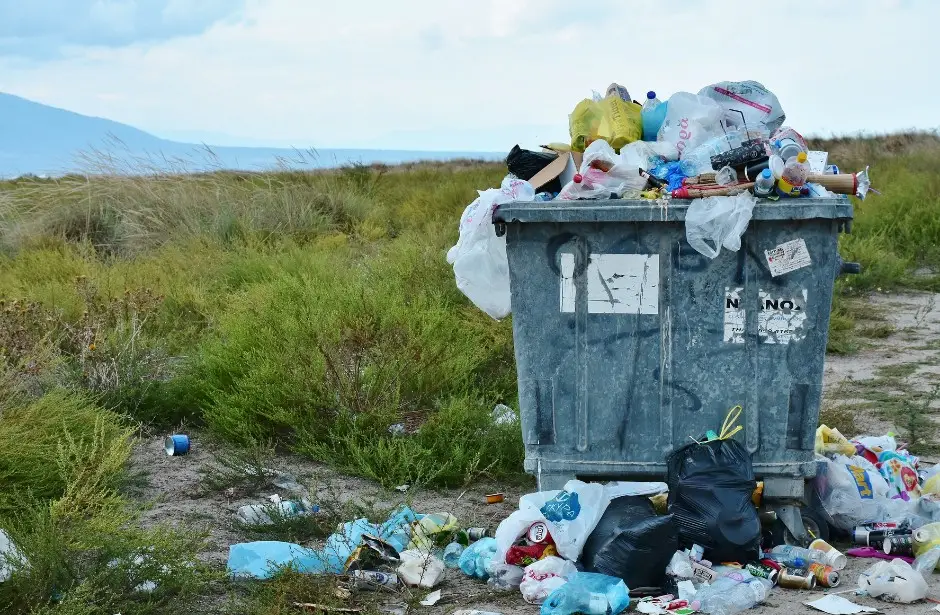

Don’t think this is a politically charged question. On Thursday, Ricardo Monreal, the Morena party coordinator in the Chamber of Deputies, submitted the General Law Initiative on Circular Economy, along with reforms to the General Law on Ecological Balance and Environmental Protection and the General Law for the Prevention and Comprehensive Management of Waste. This initiative has been under negotiation for years due to the difficulty in reaching the necessary consensus with virtually all consumer goods producers in the country. This is not a cosmetic legal change; its impact can be significant to the extent that there is coordination and shared responsibility among waste generators in addressing the problem.
The initiative, which involved the Ministry of Environment and Natural Resources (Semarnat), headed by Alicia Bárcena, and the entire team of the Undersecretary of Sustainable Development and Circular Economy, José Luis Samaniego, stems from the recognition that for Mexico to have a sustainable waste management and disposal policy, a comprehensive circular economy framework must exist in the country. This framework must homogenously encompass the obligations of the federal, state, and municipal governments to provide regulatory clarity, uniformity in laws and provisions, and eliminate the fragmentation of the legal framework that hinders a national front for action to begin the transition toward a “Zero Waste Country.”
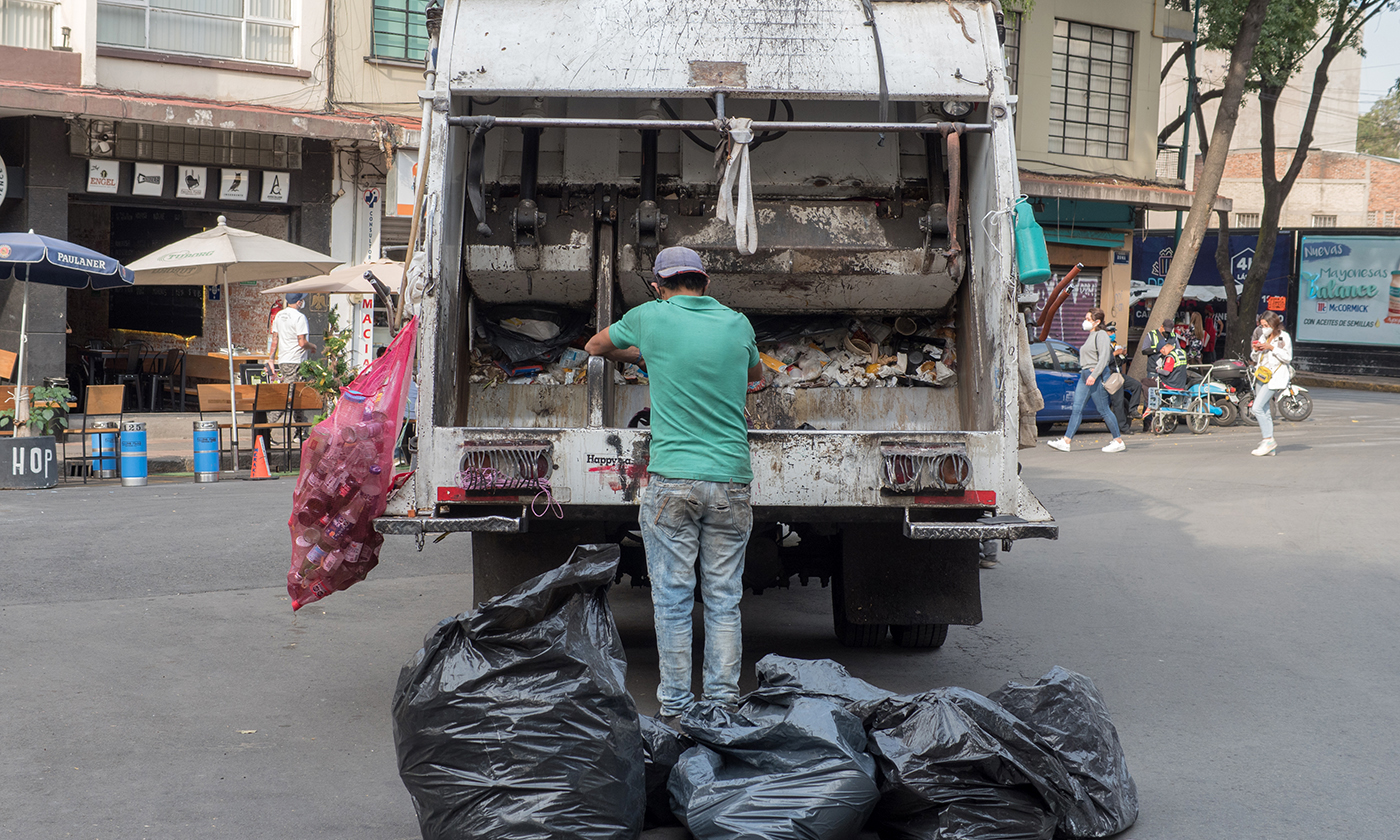
The initiative—at first glance—has two problems: 1) It adopts the Extended Producer Responsibility (EPR) approach, obligating companies that produce goods to establish the final industrial infrastructure that leads to greater reuse of the goods they produce, and 2) There is a large informal economy that pays fees to collect and separate waste, and it is not widely known that 50% of waste in Mexico is food waste, not just recyclable waste (that can be transformed for reuse). Even though the EPR concept has been tested in Europe and in some countries like Chile, Brazil, and Costa Rica, it requires precisely defining the roles of each participant in the waste value chain (government, producers, distributors, consumers, and users of recyclable byproducts), modifying tax schemes (transfer pricing), and launching an active and ongoing awareness campaign to achieve waste separation in the millions of households and businesses across the country, including the government (or private) collection infrastructure where the informal waste tax takes on a politically unacknowledged dimension. Incidentally, one of the programs taking shape is the Hidalgo Ecological and Recycling Park (the first of its kind in Mexico), located on land once considered for the Tula 2 refinery project. This land, owned by Pemex, spans the municipalities of Tlaxcoapan, Atitalaquia, and Tula.
It’s estimated that around 40 million tires are discarded annually in Mexico, while others accumulate in streets, homes, and warehouses, creating a high-risk environment. Furthermore, only 4% are recycled. Global tire manufacturers all sell tires in Mexico and are obligated to invest in recycling worldwide. This week’s initiative is the big one, but consider this: man does not live by tires alone. If the initiative considers recyclable waste and also incorporates a 10% reduction in food waste, it could help 30 million people facing food insecurity escape this status, including 10 million Mexicans who eat only once a day, according to INEGI data. Quite a goal, isn’t it?
Source: dineroenimagen