
State authorities have confirmed a significant increase, estimated at 20% compared to previous years, in the return of Mexican nationals to the state. This phenomenon combines both forced deportations and voluntary returns motivated by uncertainty surrounding immigration policy and the social climate in the United States.
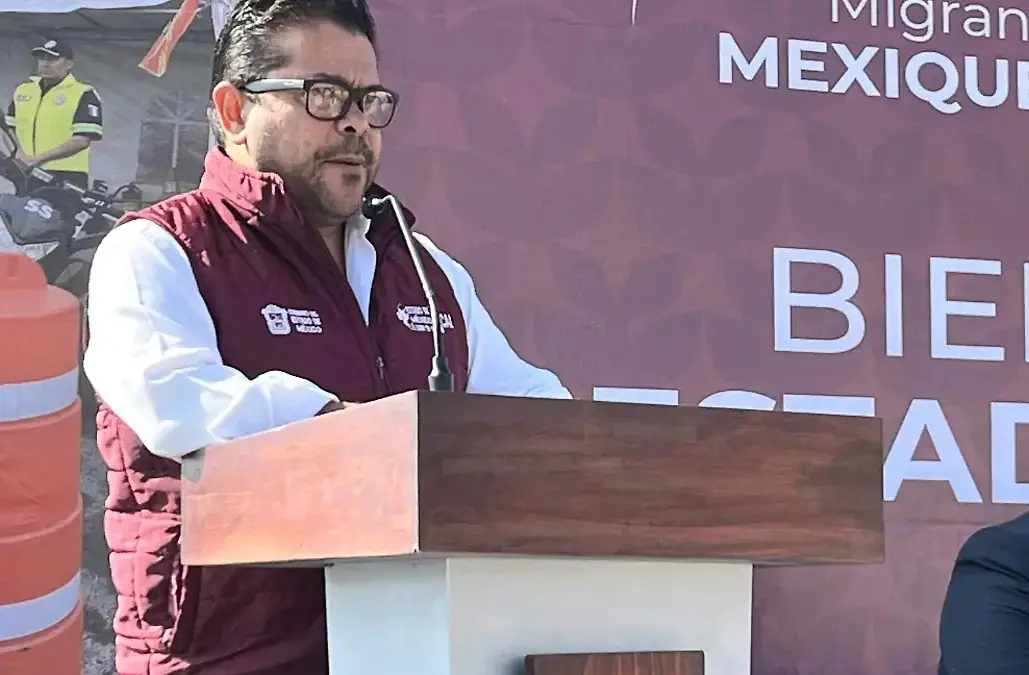
According to Arnulfo Valdivia Machuca, head of the International Affairs Coordination, since the intensification of raids and immigration control measures in the United States in early June of this year, between 250 and 260 residents of the State of Mexico have been officially deported and repatriated to their municipalities of origin.
The official explained that this return of Mexican nationals is having a direct and quantifiable impact on the population dynamics of the State of Mexico, marking a shift in migration trends and posing new social and economic challenges for the state administration.
“We have estimated that around 20 to 25 people arrive weekly… in a deportation situation… but we have noticed a significant increase compared to other years, between 15 and 20%, in the number of people returning,” he said.
However, authorities acknowledge the difficulty in accurately counting those who return voluntarily, since these entries are simply registered as the return of Mexican citizens without a specific purpose.
“The reality is that it is difficult to know exactly how many people are returning voluntarily, because they are simply registered as Mexicans entering the country and nothing more is known about them,” he explained.
According to figures mentioned by the coordinator, it is estimated that, of the approximately 1.2 million people from the State of Mexico living in the United States, around half a million could be in an irregular immigration situation, a group at constant risk of deportation.
“The fear of leaving and not being able to return, or of being detained, is causing many to opt for an early voluntary return, suggesting that the 20% increase trend could continue or even grow,” he said.
However, observations in municipalities with a long history of migration and cross-referencing data allow us to estimate that, combining both groups, the number of people who have decided or been forced to return is approximately 20% higher than that recorded in previous periods.
Valdivia Machuca mentioned that the return migration is not concentrated in a single region, since historically, migration from the State of Mexico was associated with municipalities in the south of the state, but today the phenomenon is “multi-geographic.”
He added that while the south maintains a high density of migrants, northern municipalities such as Acambay and San Felipe del Progreso also report a significant return flow. Likewise, the urban migration of the 1990s has led to a large number of residents returning from the United States to densely populated municipalities in eastern Mexico, such as Nezahualcóyotl, Chimalhuacán, and Chalco.
Regarding the main settlements of the Mexican community across the border, the Chicago area and its surroundings stand out as having the largest concentration, followed by the Los Angeles area, and in third place, Texas, in cities such as Dallas, Fort Worth, and Houston.

Source: oem