
With the presence of organized crime and the high levels of insecurity plaguing the country, Mexico garnered international attention by topping the list, but for having the most criminal markets among 193 nations evaluated.
The Global Organized Crime Index, a report produced by the Geneva-based Global Initiative Against Transnational Organized Crime, ranked the country with a score of 8.27 out of 10.
This ranking was based on an analysis of factors such as cartel operations, levels of violence, and government response, which paints a picture of criminal threats.
The report indicates that activities such as drug trafficking, exploitation of natural resources, and human trafficking have led to the country being considered a dangerous place to live.
In addition to its top ranking in illicit markets, Mexico also appears in third place in the Global Crime Index, behind only Myanmar and Colombia, with a score of 7.8.
“Given the diversification of criminal activity, some shortcomings in law enforcement are becoming evident,” commented Javier Oliva, a national security consultant.
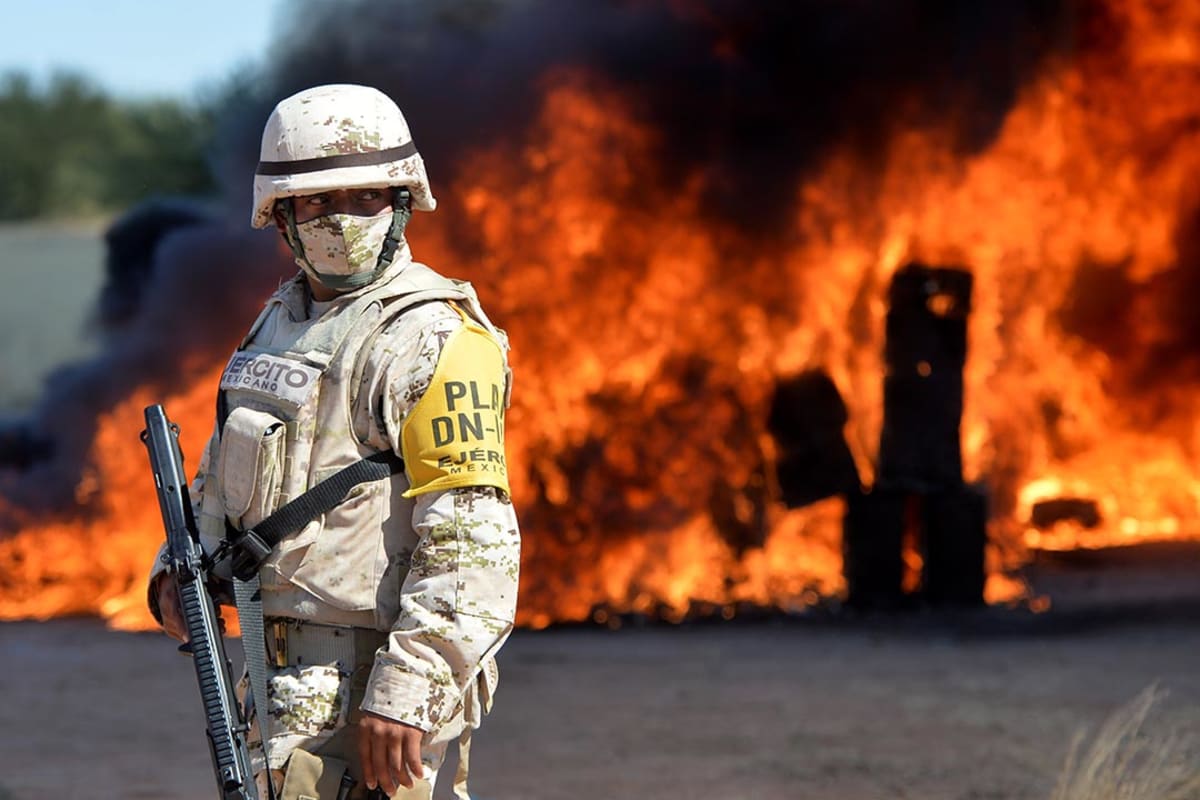
Despite attempts to conceal the severity of the problem, the reality is that the expansion of the cartels and the limited capacity of the authorities to respond have directly contributed to this deterioration.
It is no surprise that Mexico ranks among the top countries in terms of crime. Experts point out that the countries with the highest scores on this index tend to share factors such as internal conflicts, political instability, and institutional weakness.
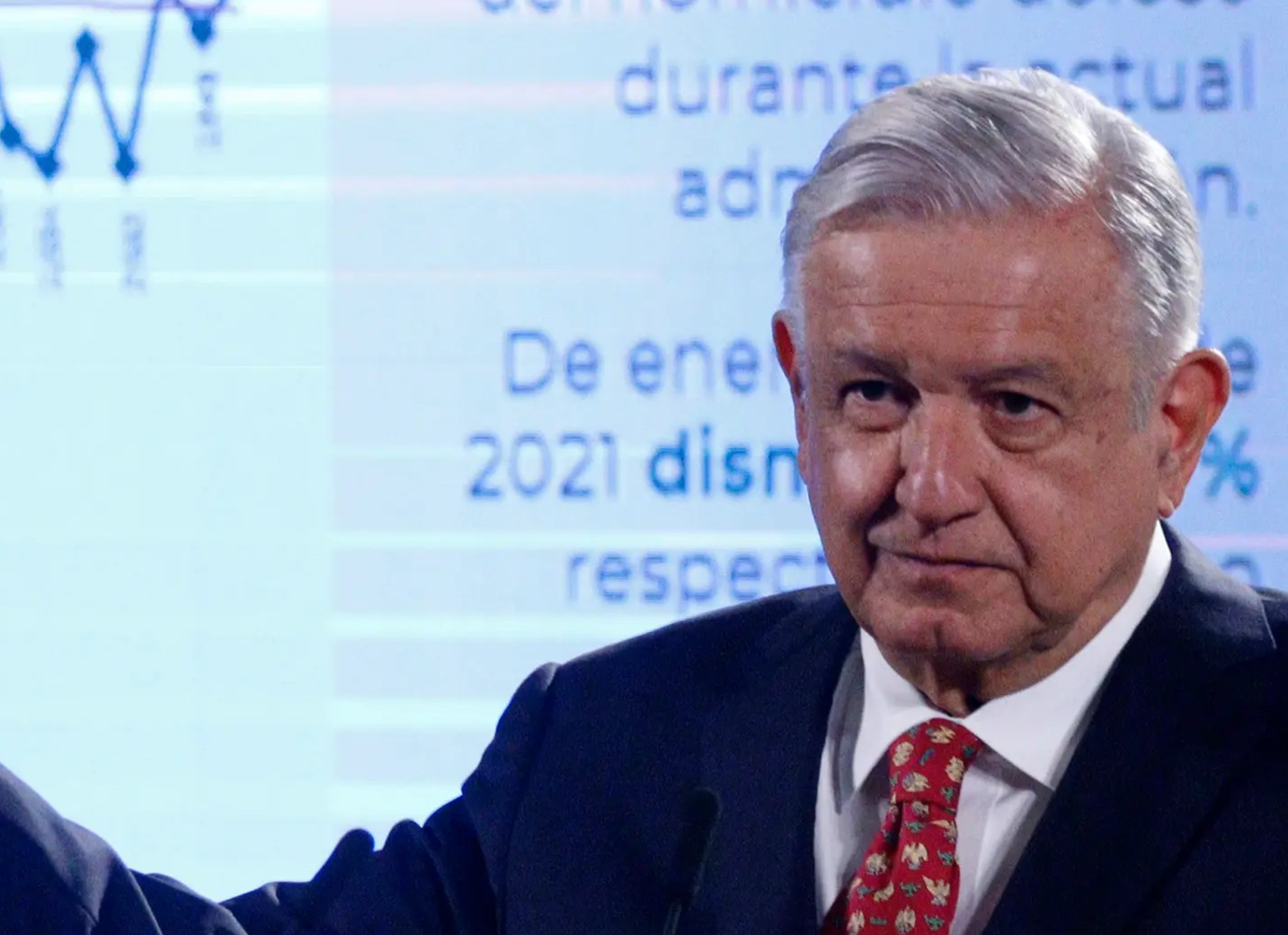
One of the most sensitive sections of the report concerns the leadership of the authorities. The current government has repeatedly been criticized for failing to implement decisive measures against the advance of the cartels.
Therefore, the Mexican political landscape continues to be heavily influenced by organized crime. Policies such as the so-called “war on drugs” have exacerbated the problem, and the “hugs, not bullets” strategy has ultimately benefited criminals more than the population itself.
“The vast majority have experienced some type of conflict or instability, and these conditions increase vulnerability to organized crime,” stated Laura Adal, director of the Global Crime Index.
The index also mentions the concern generated by the proposed reform for the direct election of judges, warning of the risk that cartels could influence these processes.
National intelligence and security expert Manuel Balcazar believes that recent policies have contributed to this scenario: “The accumulation of these ‘hugs, not bullets’ policies is now showing its results.”
It is worth noting that the study comes from an independent and politically unaffiliated organization. In other words, these are not figures promoted by the opposition, nor is it a document with electoral intentions, like the typical excuse used by those in power to delegitimize reality.
Source: tvazteca