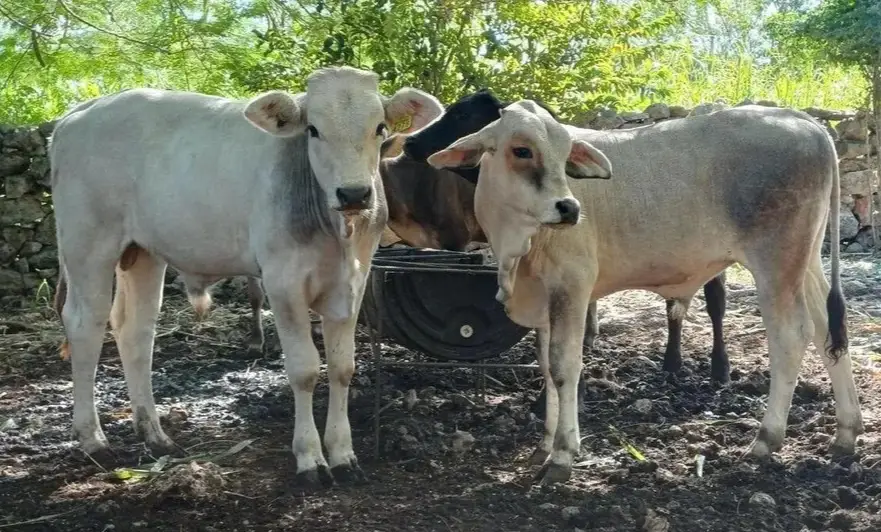

The presence of the screwworm in Yucatán continues to be a constant concern, following the report of 104 new cases in 26 municipalities across the state, affecting livestock and domestic animals. The Secretariat of Rural Development (Seder) reported that a total of 1,307 cases have now been addressed, all of which have been cured.
According to the state agency, the municipalities of Chocholá and Dzemul were recently added to the list of municipalities with active cases, bringing the total number of screwworm infestations to 98 out of the state’s 106 municipalities.
Oaxaca ranchers are concerned about the screwworm outbreak.
It was specified that one case was identified in each of the municipalities of Umán, Santa Elena, Yaxcabá, Dzemul, Muna, Acanceh, Ucú, Chocholá, Cansahcab, Akil, Kopomá, and Kinchil. While Hunucmá, Cacalchén, Conkal, Chikindzonot, and Oxkutzcab each registered two cases.
In Motul, Seyé, and Tzucacab, three cases were recorded; in Ticul, Chichimilá, and Tekax, four; and in Panabá, seven.
In Mérida, the Yucatecan capital, 24 cases were reported, while Tizimín had the highest number, with 30.
The Ministry of Rural Development (Seder) detailed that this time the infestations were found in dogs, cats, horses, sheep, bulls, cows, and pigs, ranging in age from three days old to 14 years.
The lesions were mainly detected on the ears, navel, hind limbs, and cervical and dorsal regions, associated with factors such as injuries caused by barbed wire, bites from vampire bats, and fights between animals.
The agency reiterated that timely attention and proper care are fundamental to protecting the health of warm-blooded animals, while also emphasizing the importance of maintaining hygiene and constant vigilance to detect and treat any wound, even superficial ones, and prevent the development of maggot infestations.
Finally, it reported that, in coordination with the National Service for Agrifood Health, Safety and Quality (Senasica), free treatments and care are provided within 24 hours by a team of 26 field veterinarians, who also train producers to act preventively in the event of potential cases.

Source: milenio