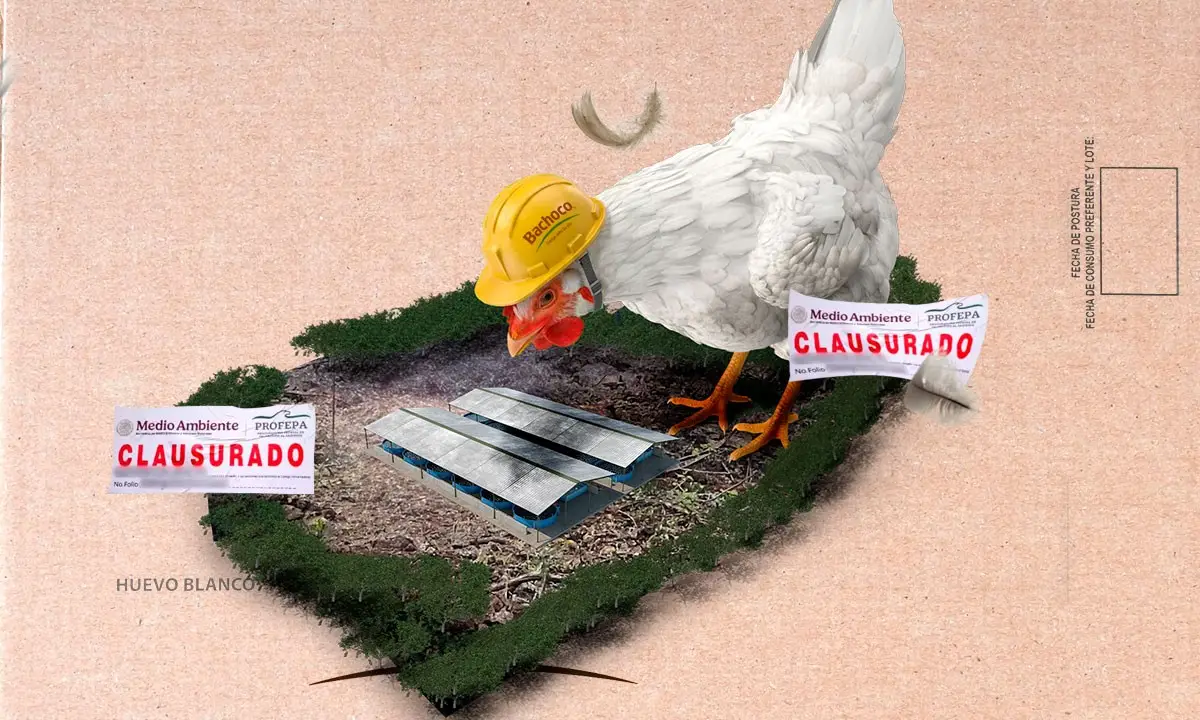

On December 26, the Federal Attorney for Environmental Protection (Profepa) shut down two mega chicken farms belonging to Bachoco, one of the world’s largest poultry companies. According to the agency, the company had illegally deforested 23 hectares of jungle at the Hacienda Teya, located in the municipality of Kanasín, in northwestern Yucatán.
Some residents found the closure strange—stemming from an “anonymous citizen complaint”—because there was no obvious evidence of deforestation. Others, however, applauded Profepa’s actions, asserting that projects like these farms are “destroying” the jungle.
The CEO discovered that this deforestation did not occur recently, but rather more than 40 years ago by a company that was acquired by Bachoco in 2001. Despite this, Profepa had not issued any statement on the matter during those decades.
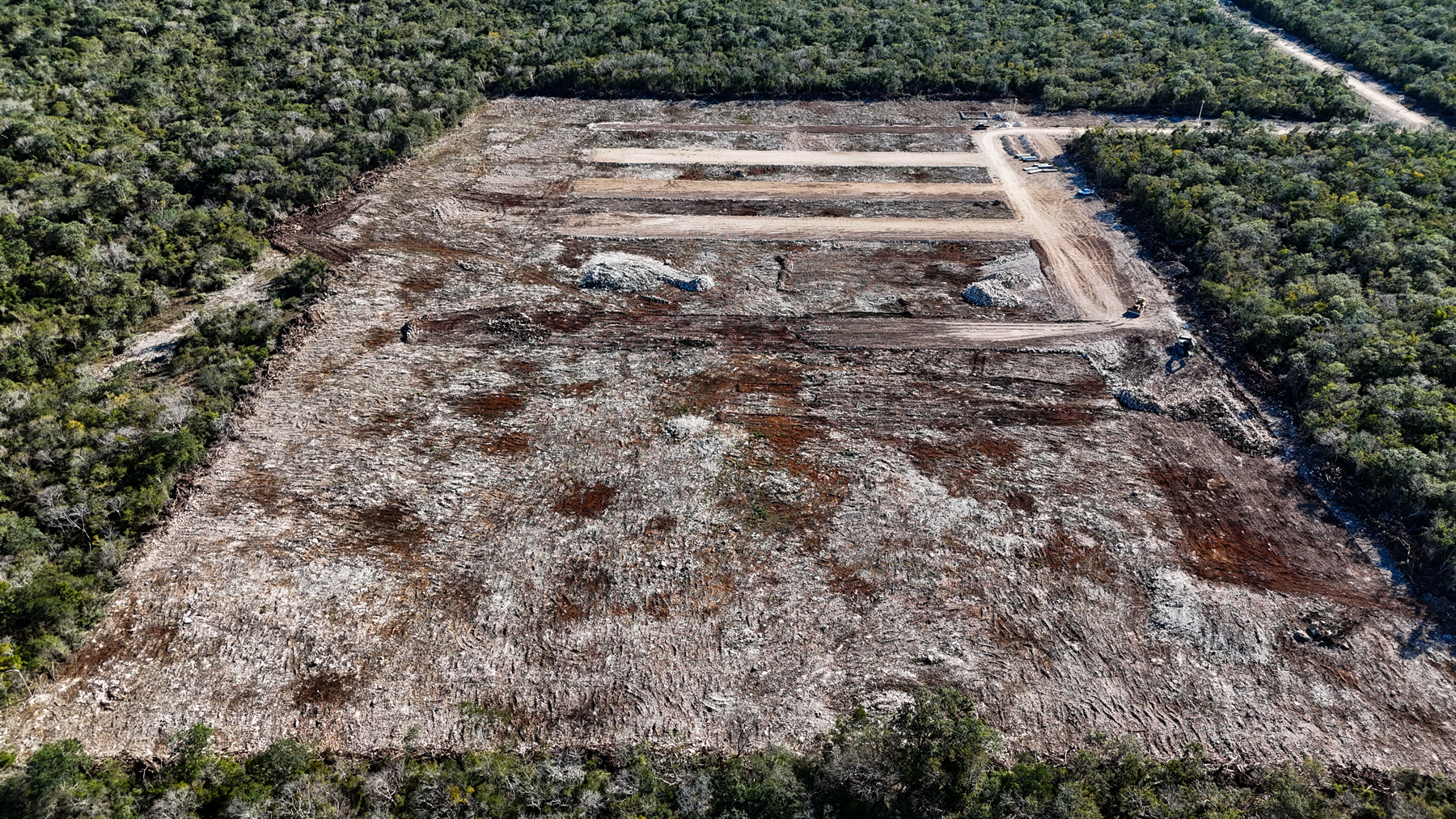
What is currently happening in Yucatán is a series of accusations against Bachoco and other poultry companies for allegedly using clandestine dumps in the jungle, where tons of chicken manure, also known as poultry litter, have been abandoned.
No environmental permits for Bachoco are available on the National Transparency Platform, the Yucatán Ministry of Sustainable Development, or the Ministry of Environment and Natural Resources (Semarnat), even though the law requires them when there is a change in land use, deforestation, or a threat to the ecosystem, among other things.
This publication only found one environmental impact study for one of its farms in the Yucatán municipality of Peto, which outlines, among other things, environmental mitigation measures and even the “benefits” to the local population.
Although there is no clarity regarding its environmental practices, Bachoco has a presence in at least 17 municipalities in the state of Yucatán, as EL CEO was able to detect via satellite.
In 2020, the company had at least 127 facilities, using 61.7 hectares of land in Yucatán dedicated to its poultry operations, according to a study by the Geocomunes collective, which has supported collective struggles in that region.
In 2026 alone, Bachoco has secured more than 8 million cubic meters of water from the Yucatán aquifer for its farms and processing plants, according to 54 concessions available in the Public Registry of Water Rights (REPDA) database. It is one of the 10 companies with the most water rights in that state.
This expansion occurs within a context where Yucatán ranked second nationally as the state with the highest growth in chicken meat production (4.6%) and table egg production (3.6%), according to data from the Ministry of Agriculture and Rural Development presented last December in its 2025 Agri-Food Panorama report.
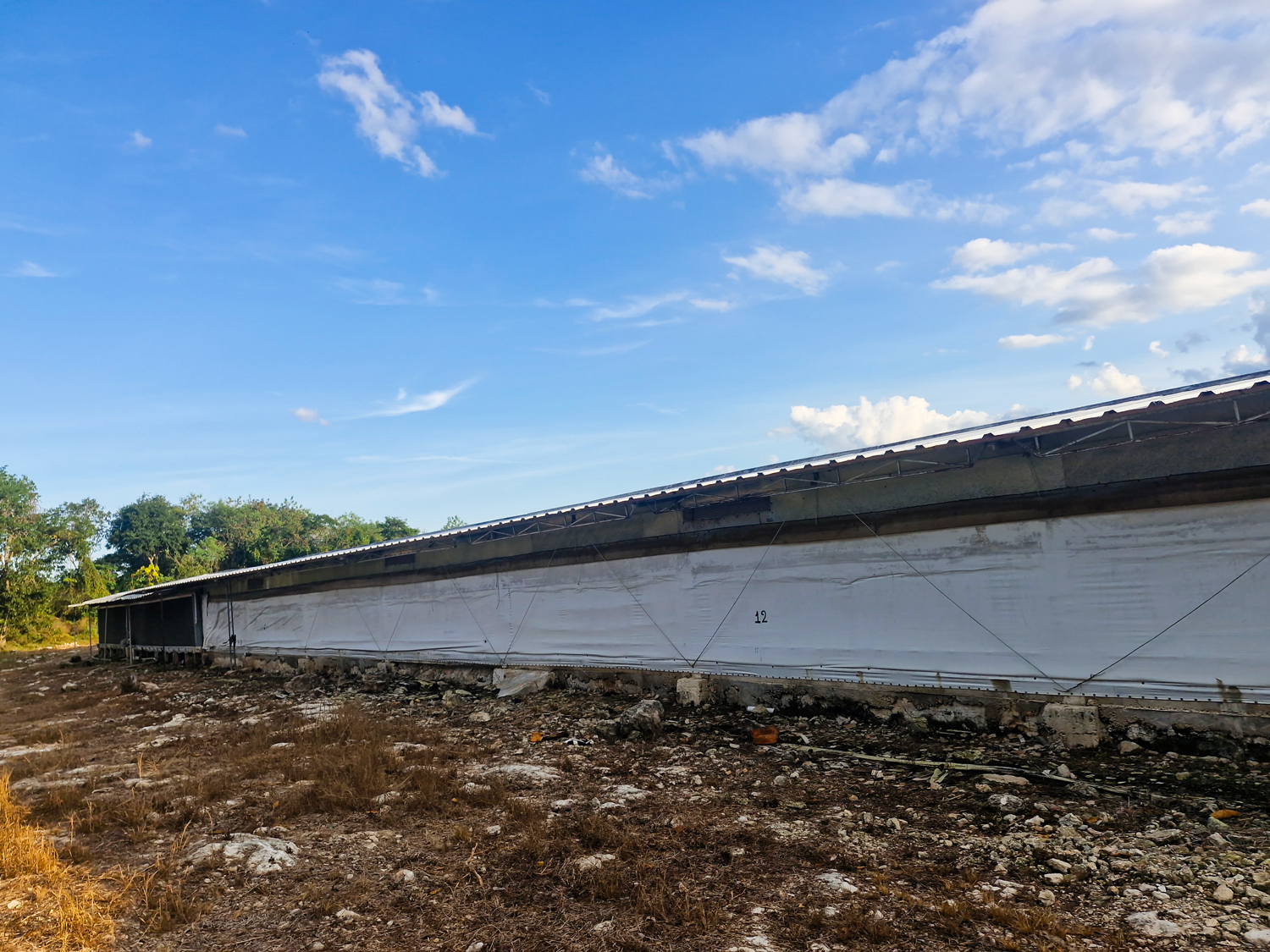
Following Profepa’s announcement regarding the deforestation of 23 hectares on Bachoco farms, EL CEO attempted to locate the cleared land using satellites from the Copernicus program—which monitors the Earth’s terrestrial, oceanic, and atmospheric conditions—and Google Earth. No apparent damage was detected within the Bachoco complex, although it was found on adjacent properties.
When Profepa was questioned about the damaged land, the agency responded that the damage was detected on the Teya 5 and Teya 6 farms. However, these farms were built in 1975, when they were operated by the company Avícola del Sureste, S.A. de C.V., which was acquired by Bachoco in 2001.
Despite arriving four decades late, Profepa (the Federal Attorney for Environmental Protection) told EL CEO that it had confirmed “the existence of an imminent risk of ecological imbalance, as well as serious damage or deterioration to natural resources.”
However, and despite these findings, the environmental agency has not filed a criminal complaint for the damages. It only added that the closure is even reversible.
A source close to the case told EL CEO that this closure of the Teya farms in Kanasín comes in a context where residents have reported to local and federal authorities the operation of clandestine dumps of chicken manure, originating from large agricultural operations.
According to the source, the environmental inspectors are not addressing the main impacts of the poultry industry.
It’s ridiculous, suddenly this closure of the Teya farm appears, which isn’t even on the map; I doubt that place lacks permits, it’s a very old farm, and it has nothing to do with this disaster (of the illegal dumps) that has been exposed.
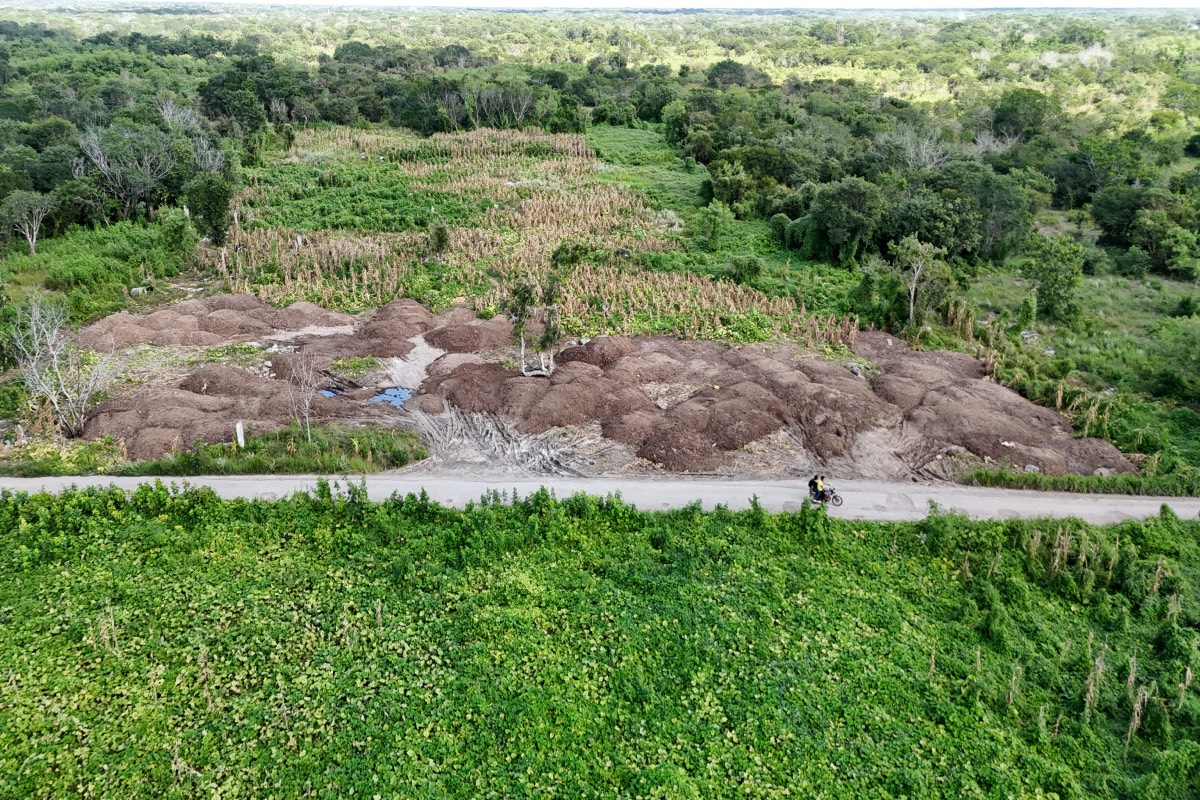
Since 2024, residents of the Yucatecan municipalities of Kinchil and Halachó have reported to local and federal environmental authorities the appearance of at least eight clandestine dumpsites where poultry companies allegedly discard excrement—also known as chicken manure.
The alerts have been increasing due to fears that this material will seep into the Yucatán Peninsula aquifer, the largest in Mexico, which connects hundreds of cenotes. However, in the last two years, the Federal Attorney for Environmental Protection (Profepa) has only reported at least two closures in the area, where deforestation occurred to accommodate poultry industry activities.
The most recent sanction took place on January 13, on a deforested property used by the poultry company Productora Nacional de Huevo S.A. de C.V., whose trade name is CRÍO. Profepa even filed a criminal complaint because the company removed the seals from the machinery and continued with the work.
Residents have reported seeing vehicles with the Bachoco logo at some of these illegal dumping sites, as well as vehicles belonging to Biosoluciones y Ciencia S.A. de C.V., a company specializing in chicken manure management, which claims on its Facebook page to be a supplier to Bachoco.
The CEO requested a statement from Bachoco regarding this and other allegations. Bachoco did not provide clear details about the clandestine dumps but asserted that it operates under standards and protocols geared toward responsible process management, “with an emphasis on the control, monitoring, and prevention of impacts.”
“Productive development must advance responsibly, in accordance with the law, with respect for the natural environment and the communities where it operates,” the CEO stated.
However, although their 2024 sustainability report reiterates their concern for environmental conservation, they do not report any specific measures for the sustainable treatment of their waste, such as the incorporation of biogas plants, which could transform the excrement into electricity.
The abandonment of chicken manure—which is also a crime under the Federal Penal Code—has drawn complaints from the public due to the foul odor. However, according to the Food and Agriculture Organization of the United Nations (FAO), poultry waste also has other environmental and health impacts:
It pollutes the air with the gases it releases, increasing the risk of respiratory illnesses.
It severely damages soil fertility due to excess ammonia.
It increases the presence of flies, threatening beekeepers’ hives.
Due to the type of soil, it seeps into drinking water sources and contaminates them. The story of Miguel Ángel Canul Gómez, an ejido member from the municipality of Hunucmá dedicated to agriculture, is part of the ongoing battles for water and land against poultry farms. He allegedly received threats from Bachoco employees because his plot of land stands in the way of their expansion, according to an investigation by journalist Claudia V. Arriaga Durán, published in Pie de Página.
Bachoco did not provide details of the incident in its response to EL CEO but stated that such actions do not align with its values, adding that it “always prioritizes institutional dialogue and legal channels.”
Bachoco ‘doesn’t lose’
For three decades, Bachoco has announced a series of multi-million dollar investments in various municipalities of Yucatán for breeding farms, hatcheries, and processing plants. In this biodiverse territory, which investors describe as a “fertile destination” for the industrial sector, the poultry company has expanded to supply foreign demand for its products.
The temporary closure at Hacienda Teya is not the only project by the company that has clashed with the interests of the Yucatecan population and native communities that defend the jungle of the peninsula.
Source: elceo