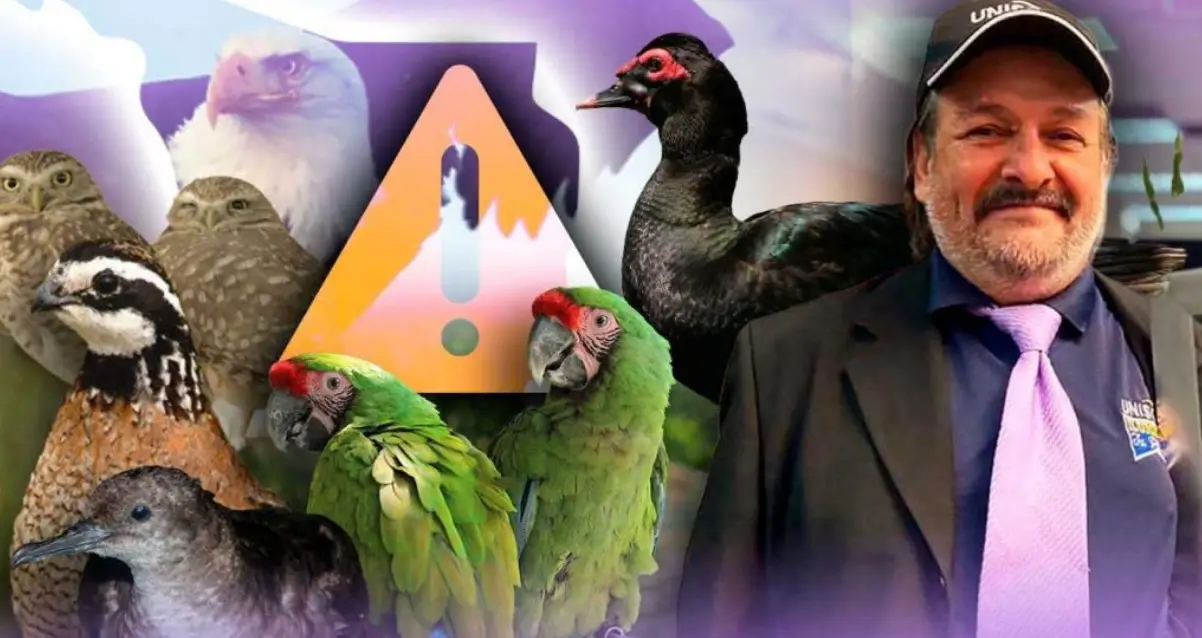

Around 20 bird species face some degree of risk in Sonora, a situation that has worsened in recent years due to habitat loss, human pressure, and various practices that directly affect their populations, warned Alf Melling, a research professor at the University of Sonora.
The academic, affiliated with the Department of Technological Research, explained that the state has records of around 20 threatened species, some of them particularly conspicuous due to their size or the colorfulness of their plumage.
Although Sonora does not have many endemic birds, the masked quail is the exception and represents the most critical case, to the point that it could be extinct in its natural environment.
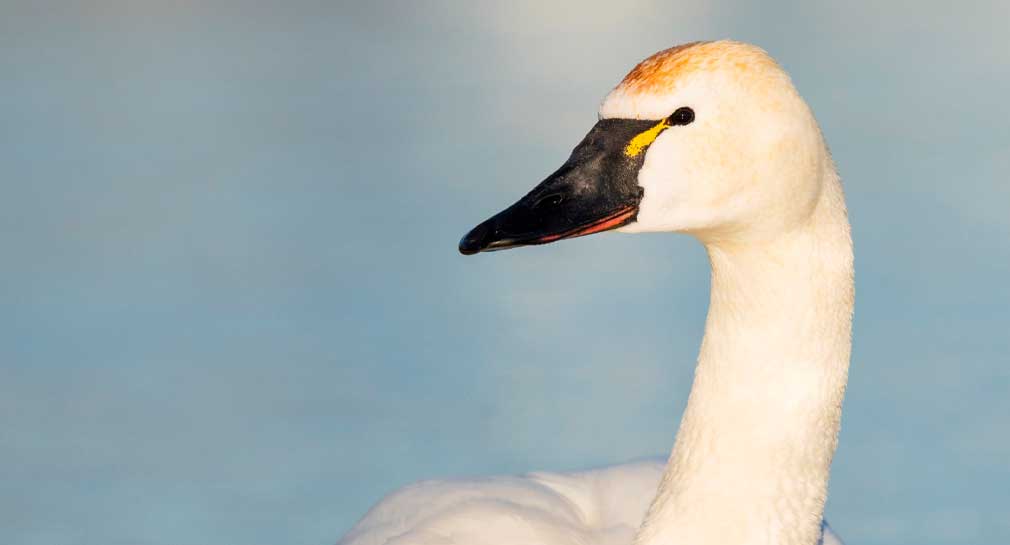
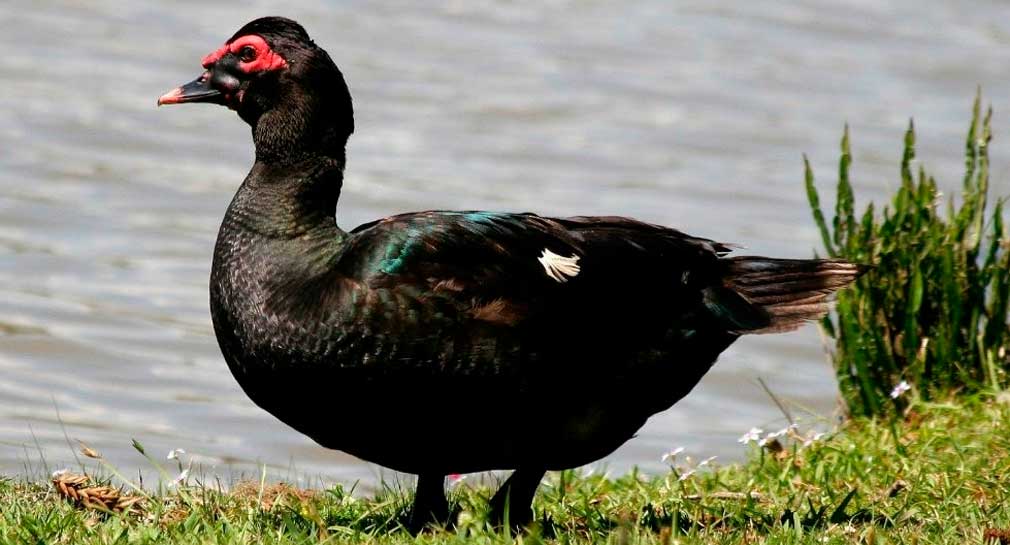
Among the species at greatest risk are the bald eagle, the great green macaw, the Mexican shearwater, the mallard, and the tundra swan, a migratory species that previously arrived more frequently in regions such as Agua Prieta and San Luis Río Colorado, but whose presence has declined significantly over time.
Melling pointed out that Sonora is part of a shared ecological region between the desert and the more humid areas of the southern part of the state, making its territory a key point for resident and migratory birds.
Every year, during the winter season, birds arrive from Alaska, Canada, and Russia, although several species have stopped doing so regularly.
The main cause of this problem is habitat loss, resulting from the reduction of natural areas necessary for birds to feed, reproduce, rest, and raise their chicks.
Added to this is the decrease in vegetation, which especially affects species that depend on nectar, such as hummingbirds, as well as birds of prey that require available prey to survive.
“The main problem is habitat loss, the reduction of their living spaces where they can nest, reproduce, feed, rest, raise their chicks, and find available food. Vegetation is decreasing.”
Although the capture and sale of birds is illegal, the researcher warned that this practice persists in isolated instances.
He also pointed out that in urban areas, one of the main risk factors is the presence of domestic and feral cats, which prey on small birds, reptiles, and iguanas, causing a considerable decline in species such as hummingbirds and other common city birds.
Another factor exacerbating the situation is the introduction of exotic species, such as Argentine parrots, which, when released after being sold commercially, reproduce rapidly and displace native birds by competing for food and nesting sites.
The academic also referred to cultural practices that still exist in some regions, such as the use of hummingbirds, owls, and other birds in rituals, as well as direct aggression toward species like the roadrunner, which in some cases is chased or stoned due to misguided beliefs.
Given this situation, Melling called for strengthening environmental education, promoting responsible pet ownership, controlling the reproduction of dogs and cats, and encouraging reforestation with native species that offer shelter, food, and safe spaces for birds.
“Environmental education, especially for children and hunters, is crucial so they avoid capturing these types of birds, plant native species, maintain healthy tree and shrub populations, and provide feeders and water sources.”
Finally, he emphasized that bird conservation in Sonora depends largely on citizen participation and a shift in awareness that will allow these species to be protected before their disappearance becomes irreversible.
Source: proyectopuente