
The Mexican Caribbean is not only synonymous with turquoise beaches; beneath the surface, a silent battle is being waged for the survival of one of the planet’s most important ecosystems: coral reefs. In Quintana Roo, scientists and divers work daily to rescue these organisms, which, although they resemble rocks, are fundamental living beings for marine life.
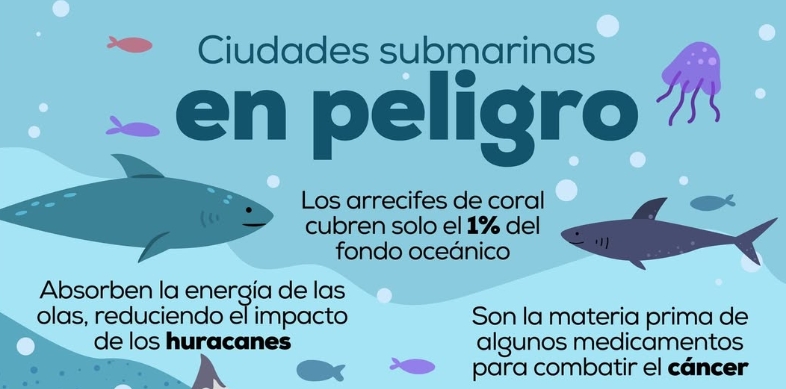
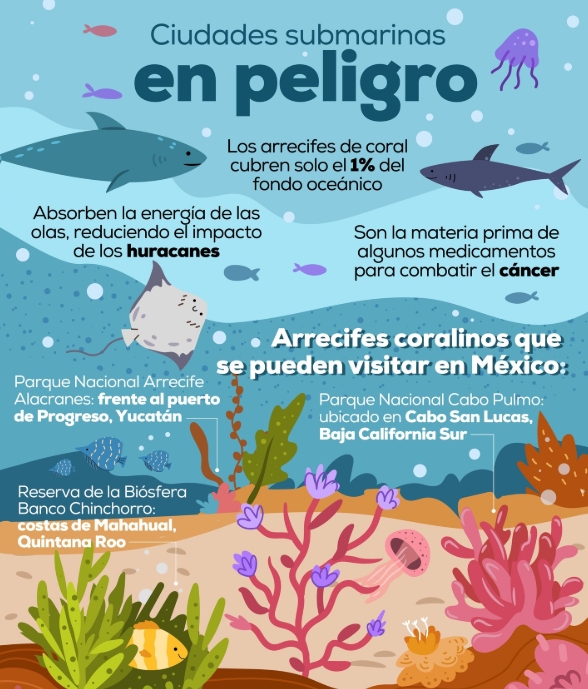
Corals not only beautify the underwater landscape, they are considered the foundation of an ecosystem that supports nearly 25% of marine species, despite covering less than 1% of the ocean, according to organizations such as the National Oceanic and Atmospheric Administration. Furthermore, corals fulfill key functions:
They protect coastlines from hurricanes.
They serve as habitats.
They serve as breeding grounds.
They support economic activities such as tourism.
The Mexican Caribbean reef system is the second largest in the world, second only to the Great Barrier Reef in Australia.
The work begins in a laboratory in Quintana Roo. There, specialists carry out fertilization and coral cultivation processes, caring for the corals until they reach an appropriate size.
Biologist and diver Germán Méndez explains that this effort aims to bring life back to the reef: “We have nurseries and platforms where we raise corals before reintroducing them to the sea.” Currently, thanks to these initiatives, 28 of the 35 coral species have been reintroduced in some areas.
What happens underwater? Once in the sea, the work continues. Specialized teams perform daily tasks such as algae removal, constant monitoring, and the maintenance of artificial structures. These platforms allow the corals to attach and grow in controlled conditions.
Despite the progress, corals face multiple risks such as climate change and rising sea temperatures, as well as diseases like white coral syndrome, and of course, pollution and human activity.
The growth of these organisms is extremely slow: barely one centimeter per year, which makes their recovery a long and delicate process. For the Coral Reef in Mexico: Why Is This Fight Urgent?
The loss of coral not only affects the marine ecosystem, but also millions of people who depend on it directly or indirectly. In the Mexican Caribbean, where there are more than 300 kilometers of barrier reef, conservation is key to the region’s environmental and economic future.
What happens beneath the sea is not always visible, but it is vital for life on the planet. If the corals disappear, what will happen to the balance of our oceans?
Source: tvazteca