
Our country is a signatory to and a party to Conventions on chemicals and hazardous waste, climate and atmosphere, biodiversity, and marine environments. However, non-compliance with these conventions is having serious consequences for the health of Mexicans.
Due to my training and expertise as an industrial chemical engineer, I will only mention the conventions that address the fight against chemical pollution.
The Basel Convention, signed in 1989, regulates the transboundary movement of hazardous waste. Simply put, no developed country (G20) should send its hazardous waste to developing countries. Ratified in 1991.
The Rotterdam Convention, signed in 1998, regulates trade in hazardous chemicals and pesticides under the concept of “prior informed consent” or the precautionary principle. No country can send any chemical substance to another country without fully identifying it. Ratified in 2005.
The Stockholm Convention, signed in 2001, regulates Persistent Organic Pollutants (POPs). With the aim of eliminating and prohibiting the use of 34 highly toxic chemicals that do not degrade and accumulate in fatty tissues. Ratified in 2003.
Minamata Convention, signed in 2013 with the aim of reducing the use and emissions of mercury. It prohibits new mines and the closure of existing ones. It restricts its international trade. It proposes phasing out its use in batteries, switches, certain fluorescent lamps, cosmetics, pesticides, and medical devices such as thermometers and dental fillings. It prohibits the use of mercury cells in the chlor-alkali industrial process. Ratified in 2015.
Global Framework on Chemicals, an international agreement adopted in September 2023 during the Fifth International Conference on Chemicals Management (ICCM5) in Bonn, Germany. It replaces SAICM (Strategic Approach to International Chemicals Management). It is a voluntary agreement that allows us to regulate, replace, and gradually prohibit all those chemical substances that, while very useful for our urban life, have effects on our health.
After four decades of research, epidemiological studies, and lengthy discussions between the World Health Organization, the United Nations Environment Programme, and the global chemical industry, it has been concluded that it is urgent to improve the management of these substances.
The governments of Vicente Fox, Felipe Calderón, Enrique Peña Nieto, and Andrés Manuel López Obrador, as well as the current administration, have neglected to promote and implement the objectives of the Stockholm Convention since its ratification in 2004.
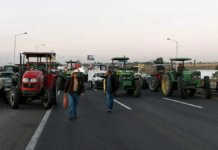
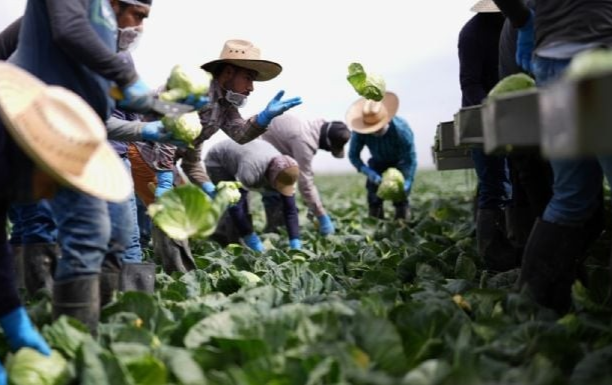
Agricultural producers have never been consulted by the Ministry of Environment and Natural Resources, which serves as Mexico’s focal point for Global Conventions. I am referring to the General Directorate for the Integrated Management of Hazardous Materials and Activities, currently headed by Arturo Gavilán García, who, of course, is not concerned with fulfilling the objectives set forth in the Stockholm Convention. Specifically, I am referring to the obligation to eliminate and reduce emissions of dioxins and furans (the most toxic substances known as unintentional persistent organic pollutants, POPs) as outlined in the National Implementation Plan for the Stockholm Convention, page 200, section 4.2, which states: “Reduction or elimination of POP releases from the burning of household waste, landfill fires, and the use of fire in agriculture.”

The absurdity reaches the point of having a Draft Mexican Official Standard PROY-NOM-015-SEMARNAT/SADER-2022, “Which establishes the technical specifications of methods for the use of fire in forest lands, temporarily forest lands, preferably forest lands, in agricultural lands and adjacent lands,” where the National Commission for the Knowledge and Use of Biodiversity, the National Forestry Commission, the National Commission of Natural Protected Areas, the Federal Attorney’s Office for Environmental Protection, the Ministry of Agriculture and Rural Development, and the Ministry of Environment and Natural Resources itself institutionalize the destruction of agricultural soil and the generation of dioxins and furans by burning this biomass, with the objectives of “eliminating residues from previous harvests, promoting the regrowth of cultivated grass, facilitating sugarcane harvesting, controlling pests and parasites, eliminating shrubs and herbaceous plants that compete with grasses, eliminating vegetation prior to planting activities, and controlling weeds.” This criminal burning of agricultural waste generates enormous quantities of dioxins and furans that severely affect the health of Mexicans, as well as animal and plant life.
The environmentally sound destruction of 37,667 tons of equipment and materials contaminated with polychlorinated biphenyls (equivalent to 11,000 tons of oil in approximately 120,000 transformers), as reported in the inventory of the UNDP project 59701, Environmentally Sound Management and Destruction of PCBs in Mexico (2009-2015), is a complete failure.
The Semarnat national inventory for 2023 reports 1,611 tons of equipment contaminated with PCBs in voluntary reports (with 811 tons eliminated), figures that are neither verifiable nor credible because there are no authorized companies in Mexico capable of destroying them. From 2015 to 2023, they analyzed an average of 70 Annual Operating Certificates (COAs) per year, out of a total of 5,000 COAs annually.
The Minamata Convention contributed seven million dollars (allocated since 2020) to reduce environmental risks in Mexico by improving the living conditions of low-income mercury miners, with an overall goal of reducing/eliminating mercury by 140 tons/Hg. No results have been presented after five years. For the proper management of chlor-alkali-soda in the industrial sector, it contributed 12 million dollars to reduce/eliminate 130 tons/Hg. This has not yet begun, despite the funds being allocated more than three years ago.
*Carlos Álvarez Flores, President of México, Comunicación y Ambiente, AC. Expert in Waste Management and Climate Change

Source: proceso