
A decade after the UN Security Council unanimously adopted Resolution 2286, which mandates the protection of the wounded, sick, medical, and humanitarian personnel in armed conflicts, violence continues to plague this sector in Mexico, in a context dominated by non-state actors, according to the Geneva-based organization Insecurity Insight.
Data from the organization, which gathers information on this issue in countries in conflict, shows that between January 1, 2016, and May 14, 2017, there were 229 incidents against personnel providing support to patients and their infrastructure. Of these, 164 incidents occurred in a conflict context, 56 during disease outbreaks, six during vaccination campaigns, two in maternal healthcare settings, and one was politically motivated.
Within the conflict zones, 64 incidents resulted in the deaths of healthcare workers, including doctors, nurses, and surgeons. In 28 other cases, workers were kidnapped, and in two more, individuals were arrested while performing their duties.
The infrastructure necessary for providing medical care, such as hospitals, clinics, laboratories, pharmacies, medical supply stores, and ambulances, was targeted in 11 attacks. For example, last January in Guanajuato, a man was murdered in front of a medical center by unidentified individuals. The center activated a security protocol, which included closing its entrances and requesting protection from law enforcement. The following month, in Acapulco, a group of suspected criminals stormed a medical center, attacking healthcare workers who had occupied the administrative offices as part of a union action.
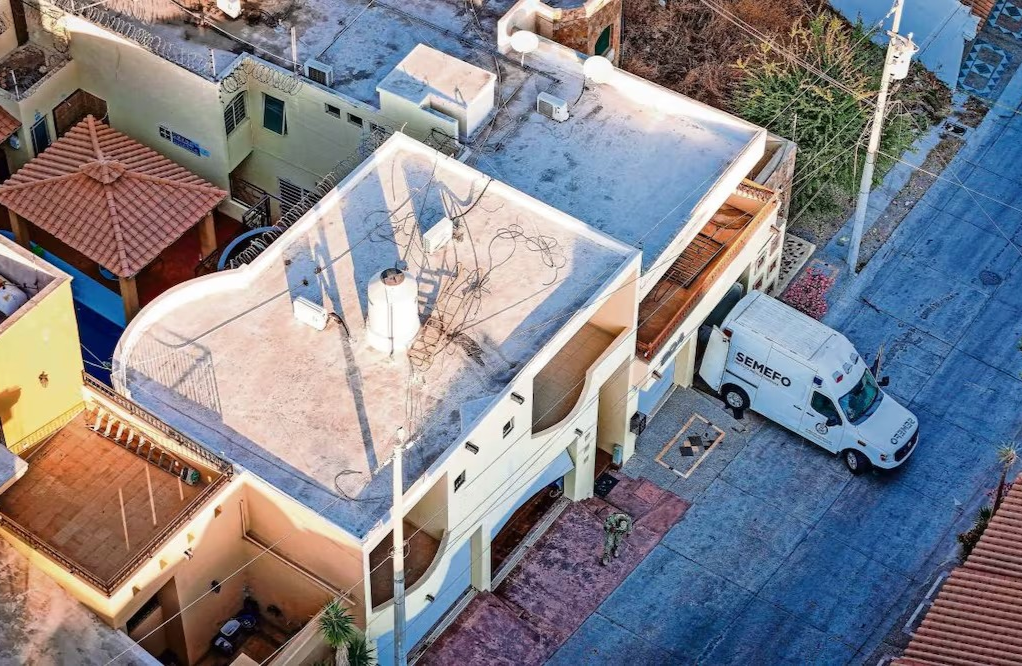
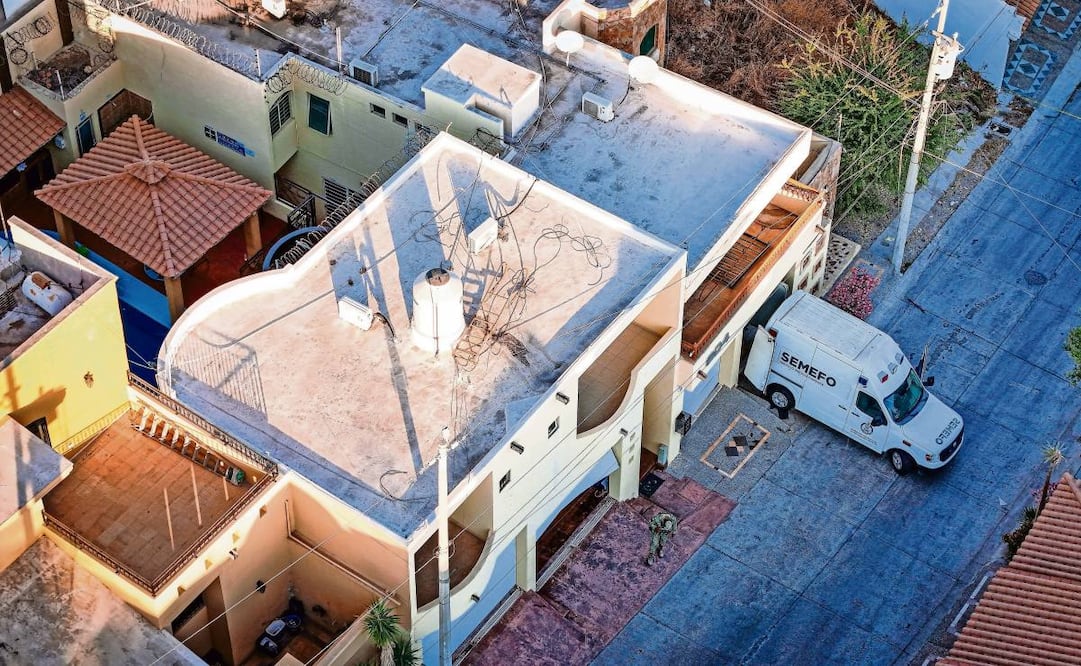
In April, in Culiacán, nine people, including the clinic’s director, were killed during an assault on a rehabilitation center carried out by masked gunmen. Regarding the perpetrators of the criminal acts, 101 cases are associated with non-state actors, 20 were perpetrated by criminals, six by civilians, two by the police, and information is unavailable for 33 incidents.
Firearms were present in 144 incidents; in three others, some type of explosive was used, and in three more, high-caliber weapons, such as artillery, were involved.
In disease outbreak contexts, three healthcare workers were killed, 10 were kidnapped, and 15 were arrested. In 30 cases, the perpetrators were identified as protesters. As for the motivation, 15 incidents were associated with the implementation of medical or public health measures.
Since the adoption of the resolution that was supposed to guarantee healthcare work, more than 18,000 attacks have been recorded in 51 countries worldwide. Far from decreasing, violent acts have been increasing, rising from 470 in 2016 to 3,920 in 2024.
Among the latest developments, the growing use of drones and explosive weapons stands out; the database records more than 1,000 incidents involving unmanned aerial vehicles. Myanmar alone accounts for 83 cases up to the end of April, 70 of which targeted facilities.
The database is being developed with funding from organizations such as the Swiss Confederation, the UK Department for International Development, and the Humanitarian Aid Office of the German Federal Foreign Office.
Source: eluniversal