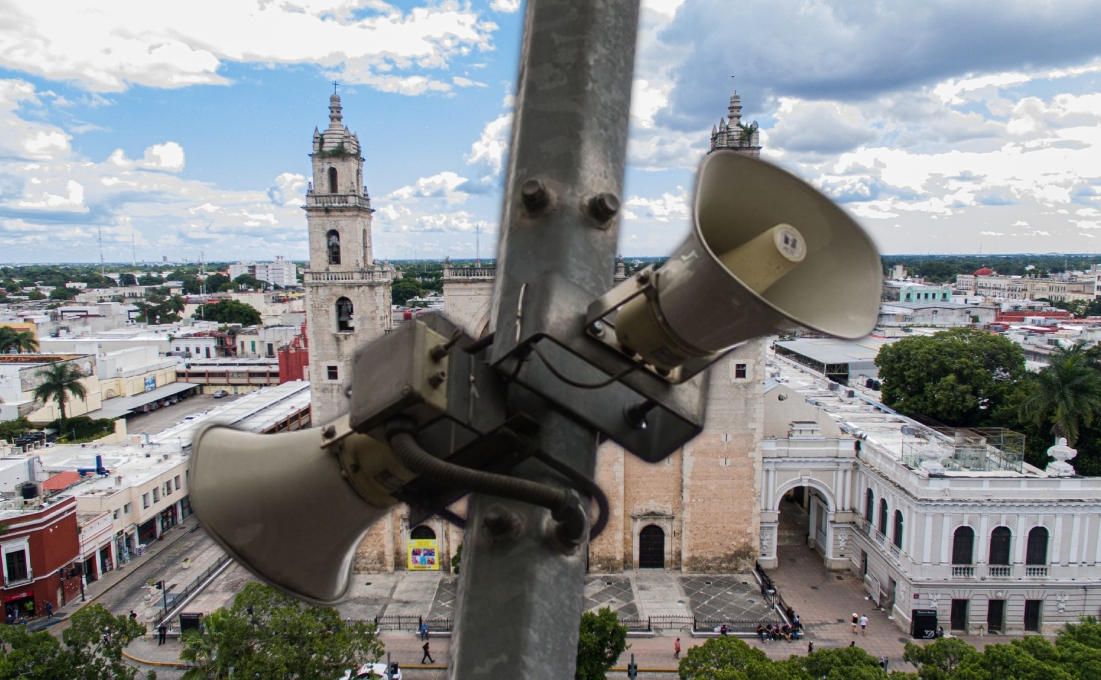

The recent earthquakes recorded in municipalities in southern Yucatán, such as Ticul, Muna, and their surrounding areas, have sparked public interest in how seismic activity works on the Peninsula and why the state lacks a seismic alert system like those implemented in other regions of the country.
Although the tremors have been of low magnitude and without major damage, many people have begun seeking information about the causes of these phenomena and the level of risk they represent for Yucatán, a state historically not considered to have high seismic activity.
Specialists point out that the Yucatán Peninsula has different geological characteristics than central and southern Mexico, which directly influences the frequency and intensity of earthquakes that can occur in the region.
According to experts in geology and Civil Protection, Yucatán lacks a seismic alert system because the state is located outside the main active tectonic zones of the country.
Most strong earthquakes in Mexico originate from the collision of tectonic plates along the Pacific coast, primarily in states like Guerrero, Oaxaca, and Chiapas. In contrast, the Yucatán Peninsula sits on a more stable limestone platform.
What causes earthquakes in Yucatán?
The seismic activity that occasionally occurs in Yucatán is usually related to local geological faults, such as the well-known Ticul Fault, as well as natural adjustments in the subsoil.
There are no risks from the earthquakes recorded in Yucatán
Featured News
Experts explain that these events are generally shallow and of low intensity, so in most cases they are barely perceptible in some communities.
Are earthquakes common in Yucatán?
Although not frequent, Yucatán has experienced seismic activity at various times in its history. Data from the National Seismological Service indicates that minor seismic activity has been documented for decades in municipalities in the south and central parts of the state.
However, experts emphasize that the state maintains low levels of seismic risk compared to other regions of the country.
What do the authorities recommend?
Civil Protection recommends that the public stay informed through official channels and maintain basic preventative measures, such as identifying safe zones at home, keeping emergency numbers readily available, and avoiding spreading rumors on social media.
Authorities also reiterate that the recent earthquakes recorded in southern Yucatán continue to be monitored by specialists and relevant agencies.
Source: poresto