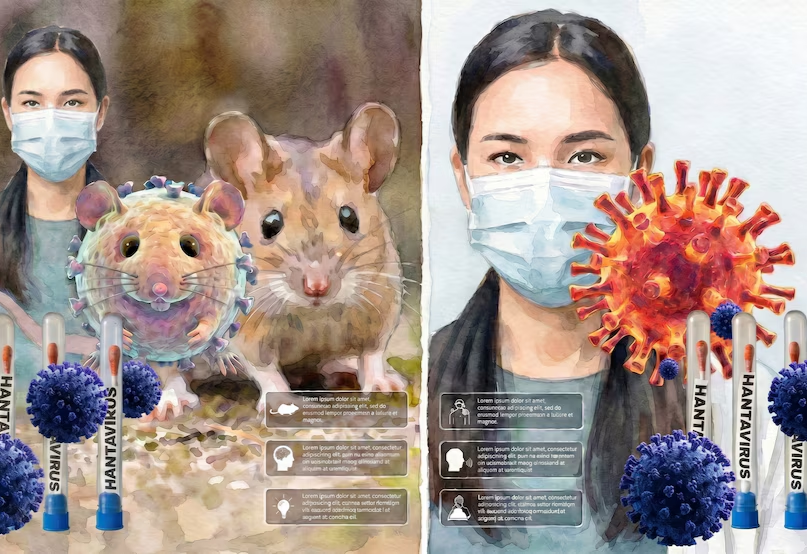

The National Committee for Epidemiological Surveillance (CONAVE) issued an epidemiological alert for the Andes hantavirus in May 2026 after confirming an international outbreak linked to a cruise ship carrying passengers who traveled through Argentina, Chile, and Uruguay.
The measure responded to the clinical severity of the virus, its ability to spread between people, and the presence of international travelers who could represent a risk to the country.
The possible exposure of international travelers immediately raised concerns about the risk of a global epidemiological outbreak.
Alert procedures and surveillance in Mexico
Health authorities instructed doctors and hospital staff to consider Andes hantavirus when patients show compatible symptoms, especially if they have a history of travel or close contact with people who visited high-risk areas.
On May 2, 2026, the World Health Organization received a report of a severe respiratory disease outbreak aboard the cruise ship MV Hondius.
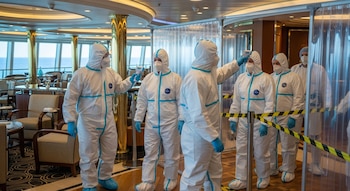
A total of eight people were confirmed infected with the Andes virus. Three died and five developed severe illness.
The Mexican government ordered increased surveillance in hospitals, airports, and ports, focusing on travelers coming from South America or those who had contact with people from that region.
Authorities also established a mandatory protocol for reporting suspected cases nationwide.
As of the alert date, no cases had been identified in Mexico.
Clinical symptoms and risks of the Andes virus
The Andes virus is a South American strain of hantavirus. It is mainly transmitted through contact with infected rodents, their droppings, urine, or saliva.
Unlike other hantaviruses, the Andes virus can spread from person to person through close contact, physical interaction, or exposure to bodily fluids. This characteristic led to the international alert and reinforced monitoring in Mexico.
The disease caused by this virus is called Hantavirus Pulmonary Syndrome (HPS).

The incubation period ranges from four to 42 days. Early symptoms may resemble influenza and include:
- Fever
- Muscle pain
- Headache
- Nausea
- Vomiting
- In some cases, diarrhea
Within days, the infection can progress to severe breathing difficulties and fluid buildup in the lungs.
The fatality rate in recent outbreaks reached 38%, highlighting the seriousness of the disease and the importance of early medical attention.
Although person-to-person transmission is considered uncommon, it has occurred in enclosed environments and situations involving close contact, such as the cruise ship outbreak.
Airborne or surface transmission was not considered the primary route, but authorities warned against sharing personal objects or having contact with infected bodily fluids.
International outbreak and health response
The outbreak that triggered the alert in Mexico occurred aboard the MV Hondius cruise ship.
The World Health Organization, the Centers for Disease Control and Prevention in the United States, and European health authorities traced passengers and crew members, isolated confirmed cases, and monitored people who had contact with infected individuals.
University hospitals in Geneva confirmed the diagnoses through genetic sequencing and molecular testing.
By May 8, 2026, authorities had reported eight confirmed cases and three deaths.
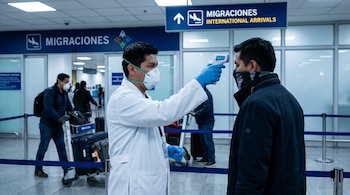
Because the incubation period may last up to six weeks, Mexican health authorities maintained surveillance of travelers recently arriving from South America and strengthened communication with airlines, cruise companies, and hospitals across the country.
Recommendations for hospitals included:
- Use of personal protective equipment (PPE)
- Isolation rooms for suspected cases
- Use of N95 respirators when treating patients
Diagnosis depends on molecular and serological testing available in national laboratories and reference laboratories supported by the CDC.
Prevention, treatment, and national outlook
At present, there is no specific antiviral treatment or vaccine for the Andes hantavirus.
Medical care focuses on supportive treatment, especially respiratory stabilization and intensive monitoring.
The WHO and CDC assessed the risk of transmission outside direct exposure groups as low, provided preventive measures are followed.

Mexican health authorities recommended that the public:
- Avoid rodent-infested areas
- Reinforce cleaning measures in rural homes
- Avoid sharing utensils or personal items with sick individuals
- Seek immediate medical attention if respiratory symptoms appear after visiting South America
Epidemiological surveillance continues at all points of entry into the country and in referral hospitals, with special guidelines for identifying and reporting suspected cases.
As of the date of the alert, no cases of Andes hantavirus had been documented in Mexico.
Source: infobae