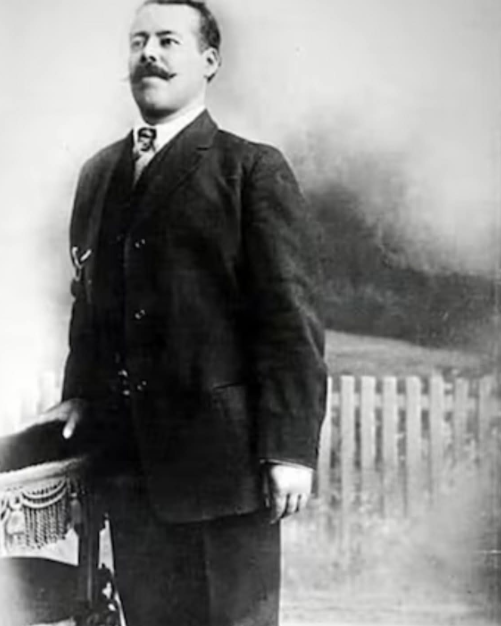

Pancho Villa did it. His term as governor of Chihuahua lasted barely thirty days, but it was enough to leave an indelible mark. He wasn’t a career politician. He was a man of action. And in those four weeks, he unleashed a storm of measures that transformed the lives of the people of Chihuahua.
Among his first decisions was to lower the prices of basic foodstuffs: meat, bread, and milk. These weren’t campaign promises. They were accomplished facts. He also confiscated the haciendas of the local oligarchy to support the widows and orphans of the Revolution. The land, which for centuries had been in the hands of a few, began to have a social purpose.
But Villa didn’t just distribute wealth. He also invested in education. He founded more than fifty schools and reopened the Scientific and Literary Institute. He knew that ignorance was the worst kind of dictatorship. Furthermore, he created the Bank of the State of Chihuahua and issued paper money to combat famine. Money, which used to serve the powerful, now served to feed the poor.
He prohibited the sale and consumption of alcohol. Not out of prudishness, but because he knew that alcohol broke up families and weakened workers. He had the army operate public services: streetcars, telephones, drinking water, and the power plant. This ensured that the city wouldn’t grind to a halt. He established slaughterhouses and flour mills to guarantee the food supply.
One month. Thirty days. That’s all his government lasted. However, his works endured. Villa demonstrated that you don’t need to be in power forever to change people’s lives. You only need will, audacity, and a deep love for the dispossessed. Do you think any current politician could surpass his legacy in such a short time? History teaches us that great transformations aren’t measured in years, but in the intensity with which they are experienced.
© Edition protected by Asombroso | Based on material from: Historical Archives of Chihuahua; biographies of Francisco Villa; chronicles of the Mexican Revolution; testimonies from the period; research by the INEHRM | Share only with credits: @Asombroso
Source: mexicodailypost