
Mexico is discovering that aging comes at a cost: to families, to healthcare systems, to businesses, and to public finances. What’s surprising is that, despite the rapid pace of change in the population pyramid, we continue to talk about aging as if it were a problem of the future, not a reality that is already upon us.
The figures are compelling. According to the most recent projections from the National Population Council (Conapo), Mexico currently has more than 17 million people over the age of 60, representing 12.8% of the population. In just a few years, by 2030, the number of older adults will surpass the number of children under 15, a demographic transition that will profoundly alter the country’s needs in terms of healthcare, care, housing, employment, and social protection.
Beyond hospitals and clinics, this demographic transition will have profound effects on the labor market, pension systems, productivity, and family dynamics. Millions of households will have to assume caregiving responsibilities for which they don’t always have the time, resources, or sufficient institutional support.
Added to this scenario is a complex epidemiological reality: diabetes, hypertension, obesity, cardiovascular diseases, cancer, and neurodegenerative conditions are part of a health burden that will affect a growing number of Mexicans for decades. The care of these patients requires continuity, coordination, and a long-term vision that is still far from being consolidated.
For much of the last century, the Mexican health system focused its efforts on combating infectious diseases and reducing maternal and infant mortality. Today, the challenge is different. Prevention, early detection, adherence to treatments, and long-term care services must occupy a priority place on the public agenda.
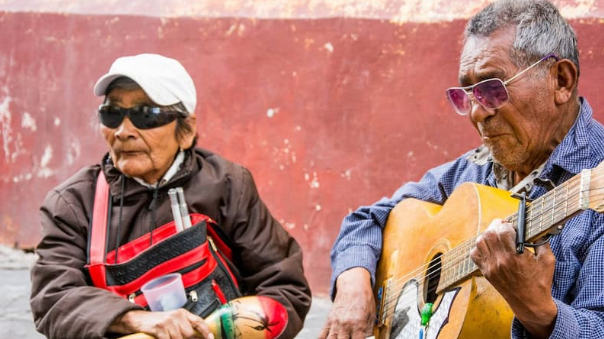
It is also important to dispel the notion that older adults are merely recipients of support. Millions continue to work, start businesses, and financially support their families. Longevity presents challenges, but it also opens opportunities to leverage experience and knowledge.
Given this panorama, innovation in health acquires strategic importance. It is not just about developing new medications or medical technologies. It will also be necessary to build more efficient, accessible, and patient-centered care models, capable of responding to a population with increasingly complex needs.
Ignoring population aging is no longer an option. Mexico is not facing a distant trend or a problem to be passed on to future generations. The transformation has already begun and will advance regardless of political timetables or budget cycles.
The real question is not whether the country will age, but whether we will have the capacity to adapt our public policies, our healthcare system, and our economy to a reality that is advancing much faster than we realize. Because the future of the Mexican healthcare system is already here, and it is growing older every day.
Source: elfinanciero