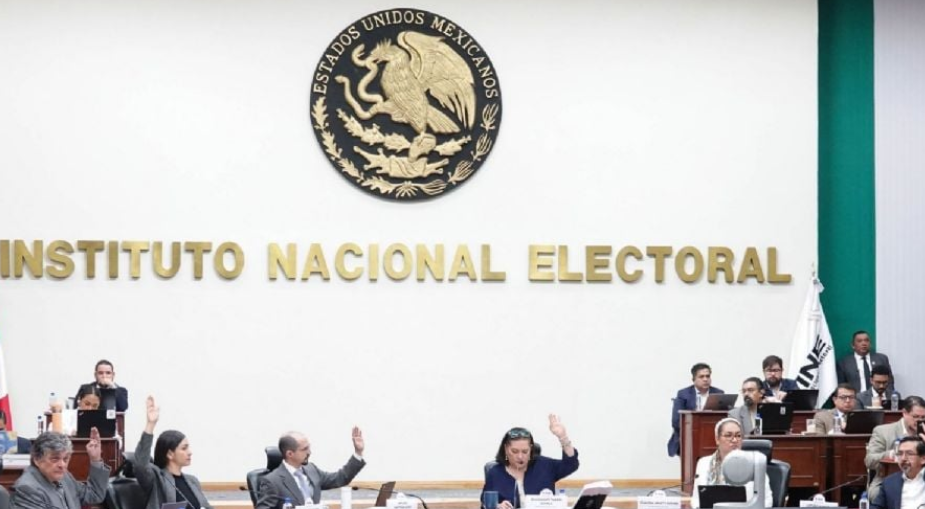

The electoral authority states that the method used by the ruling party does not comply with the required protocols to guarantee transparency.
Members of the General Council of the National Electoral Institute (INE) and delegates from various political parties raised concerns in June 2026 regarding the recent digital affiliation strategy implemented by Morena.
The electoral authority argues that the electronic system used to recruit 12 million new members presents serious security flaws, making it impossible to confirm whether the individuals listed actually gave their consent consciously and voluntarily.
Where did the electronic affiliation system fail?
The electoral authority has been clear in stating that the method used by the ruling party does not comply with the protocols required to guarantee transparency. During random verification attempts, the institute found multiple deficiencies that complicate validation:
- No evidence: There is no documentary proof (paper records or handwritten signatures) supporting the massive enrollment of individuals into the membership registry.
- Corrupted files: A significant portion of the database submitted contained technical errors and unreadable electronic records.
- Questionable identity verification: The digital tools lack biometric safeguards or cross-checking mechanisms to prevent duplicate registrations or registrations made without citizen authorization.
What impact does this lack of transparency have?
This dispute goes beyond administrative matters. For a political party to receive public funding and validate its internal processes, the law requires an auditable and reliable membership registry.
Opposition parties argue that presenting a figure of “12 million members” without providing the minimum documentary support constitutes manipulation that undermines fairness within the party system.
The mistrust stems from the possibility that many of these accounts may be merely digital figures without a person or document capable of identifying them within the national registry.
Could Morena lose control of its membership list?
Following the INE’s refusal to automatically validate these figures, the governing party now faces a legal dilemma.
Council members have suggested that unless the party provides physical evidence capable of resolving doubts about the origin of its members, the massive registry could face significant reductions through a review process conducted by the electoral authority.
Meanwhile, the figure of 12 million members remains an internal estimate of the party without official recognition, exposing the fragility of digital platforms when they are used to legitimize political majorities without rigorous identity controls.
Source: mvsnoticias