
Teachers from various educational institutions in Chihuahua presented an initiative to the State Congress to reform the State Education Law and the State Penal Code, with the aim of establishing criminal and administrative sanctions against parents, guardians, or students who threaten, defame, or file false accusations against educational personnel. The proposal includes prison sentences of one to three years for those who engage in such conduct.
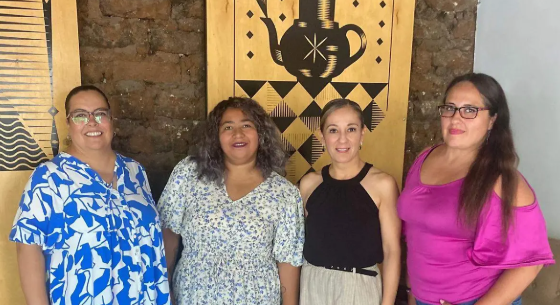
The document was submitted by teachers Guadalupe Hinostroza, Lourdes Dueñas, Dalila Flores Gutiérrez, and Marcela Rodríguez, who attended on behalf of a group of elementary school teachers who support the initiative and seek to open a debate on the legal protection of educational personnel.
According to the proponents, the reform aims to strengthen the comprehensive protection of teachers, administrators, and staff against acts of intimidation, threats, smear campaigns, and unfounded accusations, considering that these situations affect both professional performance and institutional reputation.
The teachers indicated that the proposal is based on a recently approved reform in the state of Aguascalientes, aimed at addressing similar problems, and emphasized their interest in promoting equivalent initiatives in other states across the country.
They explained that school conflicts related to grades, disciplinary measures, or warnings have led to cases of harassment on social media, public accusations, and legal actions, which in some cases they consider unfounded and with a negative impact on teachers’ professional and personal lives.
In this context, the initiative proposes incorporating legal mechanisms to sanction defamation, threats, and false accusations when it is proven that they were made with the intention of damaging the image or professional career of educational personnel, in addition to strengthening the conditions for carrying out the teaching profession.
The proponents reiterated that the proposal does not seek to limit the right of mothers, fathers, guardians, or students to file legitimate complaints, but rather to establish consequences for those who maliciously promote false accusations or smear campaigns that unfairly affect education workers.
The initiative was sent to the State Congress for analysis within the corresponding legislative process. Should it advance, the legislative committees will have to evaluate its legal viability and hear the various viewpoints before the full Congress decides whether the reforms to the State Education Law and the Chihuahua Penal Code are approved or rejected.
Source: oem