
The threat of a new armed uprising has once again plunged Pantelhó and the Los Altos region of Chiapas into a state of high tension. Days after the assassination of one of the leaders of El Machete, the self-defense group released a video giving authorities a deadline to capture those responsible for the crime. If this does not happen, they warned they will take justice into their own hands and resume armed struggle.
Fernando Ruiz Hernández was murdered on July 3 while attending a basketball tournament as a sponsor in the community of La Esperanza, in the municipality of Chenalhó.
According to initial reports, armed men ambushed him and shot him multiple times.
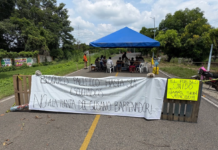
The murder sparked a swift reaction among residents of the region, who issued a statement demanding justice and warning that the lack of results could lead to further actions outside of official channels.
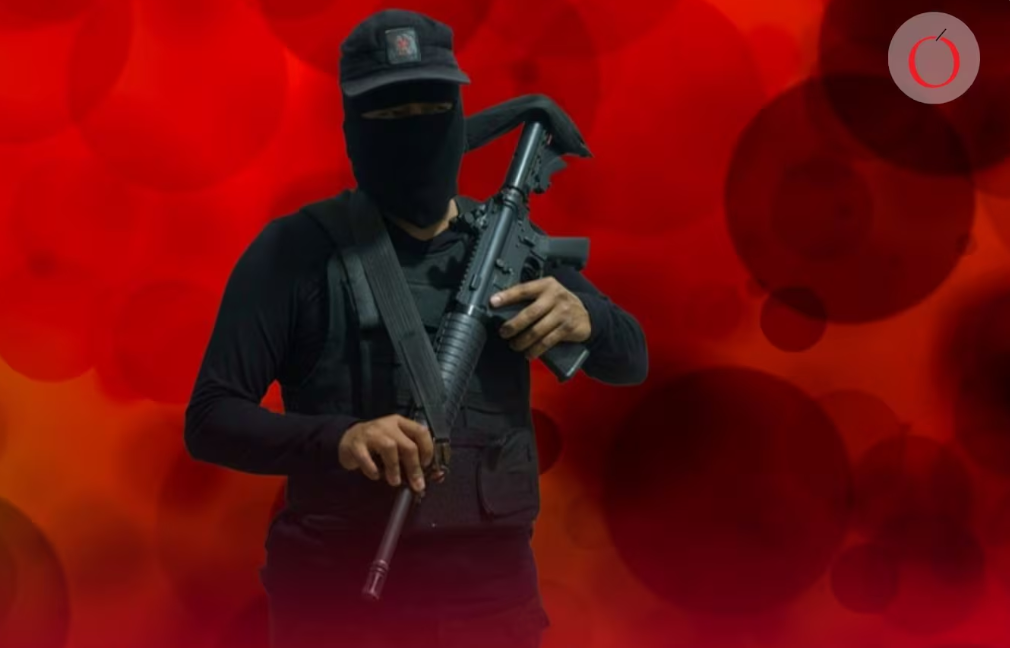
Hours later, a video surfaced, just a few seconds long, in which dozens of hooded men, dressed in tactical gear and carrying high-powered rifles, blamed the Herrera family for the murder.
The warning included the announcement of a possible return to armed conflict, a scenario not seen since 2021.
To understand the scope of the warning, it is necessary to go back to the origins of El Machete. The confrontation began in 2020, when various groups started a dispute over political and territorial control, as well as control of public resources, in Pantelhó, a municipality where the election of authorities has historically been governed by traditional customs and practices.
It was in this context that El Machete publicly emerged in July 2021 under the name Autodefensas del Pueblo El Machete (People’s Self-Defense Forces of El Machete).
During their first appearance, more than 100 armed men claimed they had organized to protect Indigenous communities from violence they attributed to criminal groups and municipal authorities who, according to them, maintained ties with these groups.
Since then, El Machete has been engaged in a constant confrontation with Los Herrera, a group accused for years by residents and civil organizations of wielding political influence in the region and of having alleged links to criminal activities.
The dispute between the two groups transformed daily life in Pantelhó and other communities in the Chiapas Highlands, where violence and clashes became prevalent.
The following years were marked by a growing tension between the two groups and by various efforts to reduce violence. In April 2025, state authorities announced a peace agreement intended to halt the fighting and usher in a period of community reconciliation.
Although that process allowed a temporary decrease in hostilities, the murder of Fernando Ruiz put El Machete back at the center of the conflict and fueled the risk of a new escalation of violence.
Source: cronica