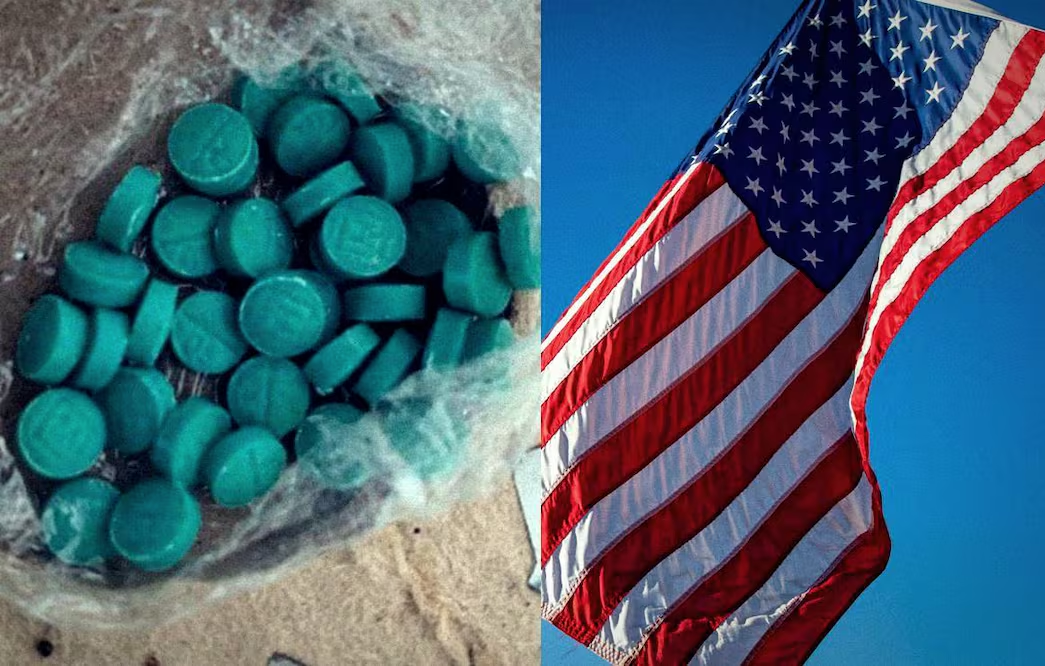

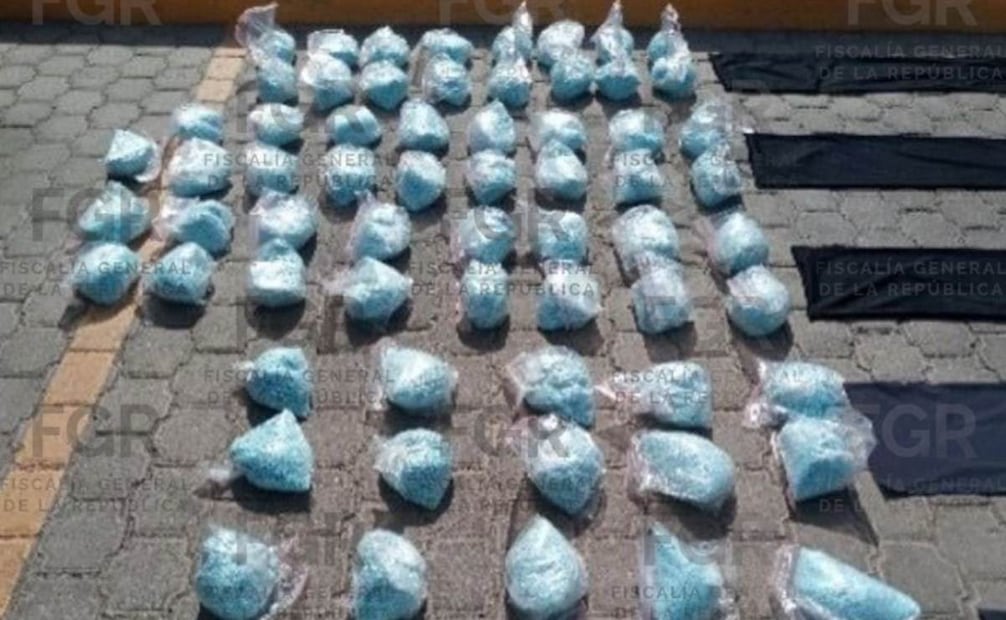
The ongoing internal conflict between rival factions of the historic Sinaloa Cartel has not reduced fentanyl shipments to the United States. Meanwhile, violence in the Mexican state of Sinaloa—where more than 3,000 people have been killed in two years—continues despite the federal government’s military deployment.
According to the International Crisis Group (ICG) report, “The Heirs’ War in Sinaloa: Fighting Crime in Mexico Under U.S. Pressure,” the violence has not subsided but has instead changed in nature, shifting toward more rural areas despite the government’s large-scale military presence. David Mora, the lead researcher of the report, shared these findings in an interview with EFE.
The conflict began after the 2024 arrest of Ismael “El Mayo” Zambada in the United States, which fractured the Sinaloa Cartel amid accusations of betrayal and sparked violent clashes between the rival factions known as “Los Mayos” and “Los Chapitos.”
Nearly two years into the conflict, Mora said the Mexican government remains “far” from achieving a fundamental shift in the balance of power among organized crime groups.
“What we are seeing now is that the attacks are much more targeted and less random,” Mora said, adding that “Los Mayos” appear to be gaining ground against “Los Chapitos.” He noted that most victims of killings and disappearances continue to be young men, including minors.
Despite the damage the conflict has inflicted on the cartel itself, the report states that fentanyl demand and prices in the United States have remained relatively stable, indicating both the adaptability of criminal markets and the possibility that other criminal organizations are helping meet the demand for illicit drugs.
Large areas of Sinaloa remain under criminal control
According to Mora, the different factions of the Sinaloa Cartel continue to control large portions of the state, where criminal organizations—not the Mexican government—effectively exercise authority.
The researcher conducted interviews with more than 60 people while preparing the report.
He also noted that more than 10,000 military personnel are currently deployed throughout Sinaloa, primarily in the capital city of Culiacán. Although security forces have made significant drug seizures, violence remains extremely high.
Mora argued that the current strategy of increased military deployment represents a turning point compared to former President Andrés Manuel López Obrador’s policy known as “hugs, not bullets.”
“During López Obrador’s administration, it was a conflict between two sides. Under President Claudia Sheinbaum, it now feels like there are three. There is a new actor, and that is the government.”
The report also highlights the longstanding relationship between political actors in Sinaloa and organized crime, an issue that has received renewed attention following formal accusations by U.S. authorities against Sinaloa Governor Rubén Rocha Moya, who is alleged to have collaborated with Los Chapitos in exchange for bribes.
Mora said the Sinaloa Cartel’s strength has long depended on political protection, which he described as one of Mexico’s greatest unresolved challenges in confronting organized crime.
Since 2024, clashes between the rival criminal factions have resulted in more than 3,000 deaths in the western Mexican state of Sinaloa.
Source: eluniversal