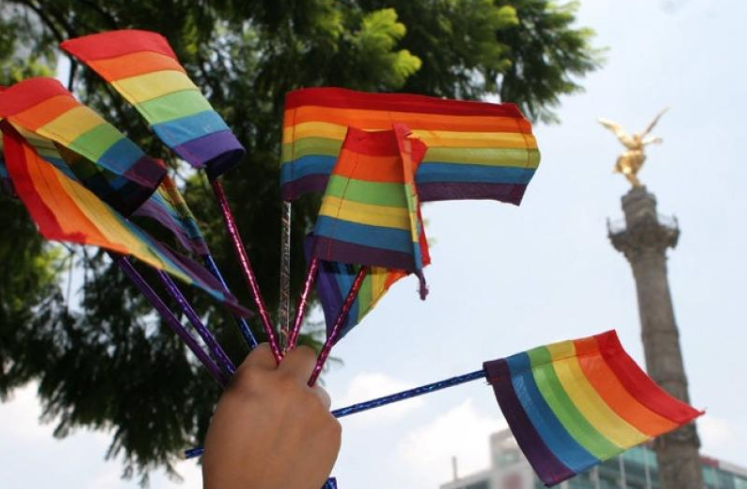

Young people, women, the LGBTQ+ community, and people with disabilities face the highest levels of workplace discrimination in Mexico City, according to a report by the Council to Prevent and Eliminate Discrimination (Copred).
Discrimination occurs throughout different stages of the employment cycle. It begins during recruitment and hiring processes, continues during employment through the denial of promotions or the restriction of fundamental rights such as social security and pension benefits, and is also reflected in unjustified dismissals, where individuals report being terminated because of their health condition, pregnancy, sexual orientation, or gender identity.
“The main reasons for workplace discrimination reported to the Council are pregnancy, health condition or status, and gender,” the report published in the Official Gazette states.
The agency explained that since its establishment in 2011, approximately 70% of all discrimination cases handled by the institution have been related to the workplace.
The report also found that workplaces account for more than one-third of all discriminatory acts recorded across the metropolitan area.
Barriers
Regarding young people, the report emphasizes that they face significant barriers when entering the formal labor market, mainly because many job openings require both advanced educational qualifications and prior work experience.
“Young people have historically and repeatedly faced discrimination in employment based on prejudices and stereotypes, such as being perceived as less dedicated or unwilling to put effort into their work.”
For women, the report notes that their lower participation rate in the Economically Active Population (EAP) reflects ongoing structural inequality.
Copred adds that women encounter major challenges in balancing job searches with unpaid caregiving responsibilities at home, in addition to the gender pay gap. In Mexico, women earn approximately 15% less than men for performing the same work.
People with disabilities also face significant barriers in the workplace. According to the report, individuals with mobility impairments experience the lowest employment demand, while people with visual disabilities represent the group with the highest relative demand for employment opportunities.
Copred identified that companies and institutions continue to face internal resistance when implementing diversity and inclusion policies.
Among the main obstacles are employees’ attitudes based on traditional gender roles and stereotypes, insufficient funding to implement diversity and inclusion strategies, and a lack of technical training needed to apply anti-discrimination measures effectively.
Source: excelsior