
Citi Mexico Analysts Improve Economic Forecasts for Mexico’s Performance in 2026
Once the FIFA World Cup concluded, during the summer season and heading into the final stretch of the year, a group of analysts consulted by Citi Mexico —the Mexican subsidiary of U.S.-based Citigroup— improved their forecasts for the performance of economic activity during the remainder of 2026.
The latest Citi Mexico Expectations Survey not only raised projections for economic growth but also lowered its inflation forecast, a scenario that, if achieved, would provide some relief for household finances ahead of the back-to-school season and the typical end-of-year expenses that begin in September and continue through December.
According to the document published Wednesday, the forecast for GDP growth increased from 1.1% to 1.2%.
The upward adjustment came after the conclusion of the 2026 FIFA World Cup, a tournament in which Mexico hosted 13 matches.
Several analysts estimate that the event will contribute approximately 0.1 percentage points to the country’s economic growth this year.
Among the institutions most optimistic about Mexico’s economic performance in 2026 is Bankaool, which forecasts GDP growth of 1.6%.
It is followed by BNP Paribas and GBM, with a projection of 1.5%, while Bancoppel, Banorte, Bank of America, and Masari Casa de Bolsa expect an expansion of 1.4%.
The survey is conducted every 15 days among analysts from banking institutions, brokerage firms, and consulting companies.
Inflation Outlook Improves
Experts also improved their inflation forecasts, as the estimate for this indicator decreased from 4.09% to 4.02%, while the core inflation component —which excludes goods and services with more volatile prices— fell from 4.10% to 4%.
If this scenario materializes, families would experience greater relief in their purchasing power, since lower inflation means a slower increase in prices, helping income cover more everyday expenses.
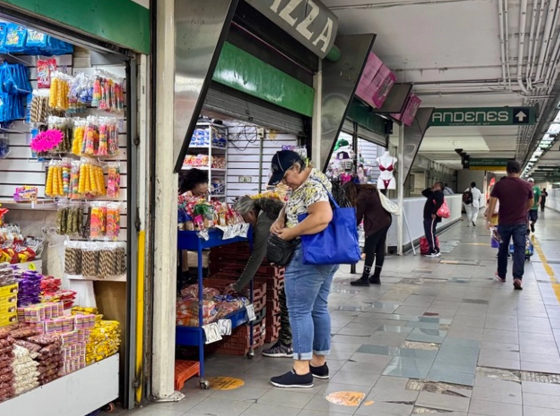
The adjustment is especially relevant during a time of year when households typically face higher spending due to the back-to-school season, including school supplies, uniforms, tuition, transportation, and other educational materials.
Added to this are expenses related to Independence Day celebrations, El Buen Fin shopping events, Christmas celebrations, and year-end spending, a period that concentrates a significant portion of Mexican families’ consumption.
Source: jornada