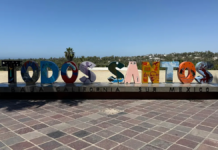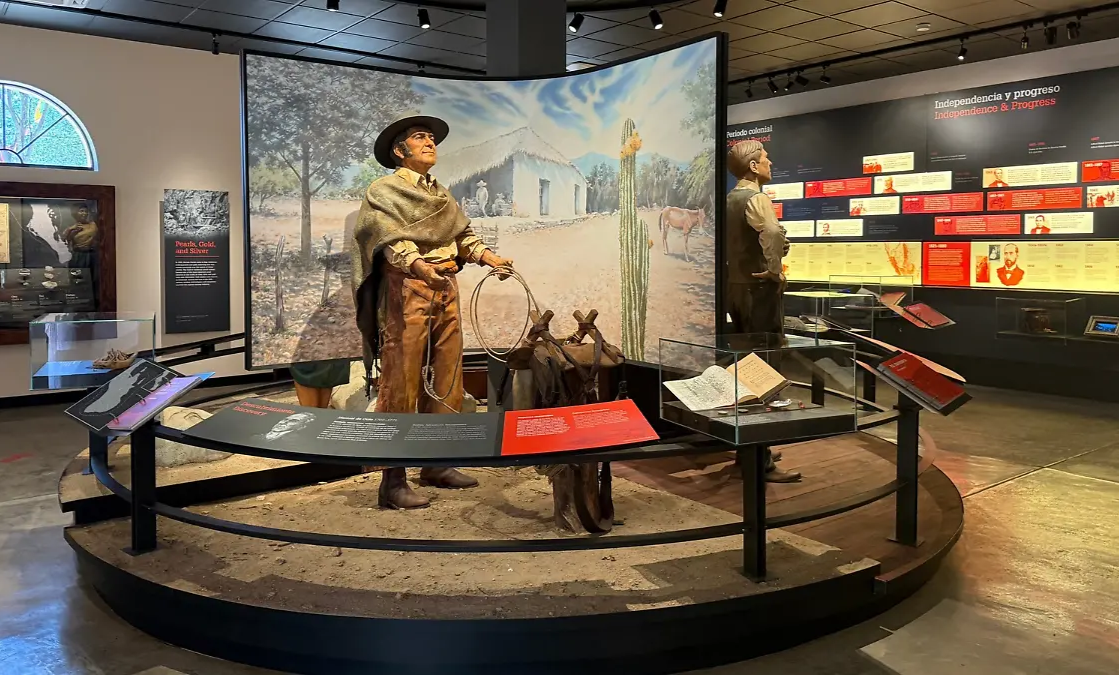

One of the cultural spaces that allows visitors to explore the mining past of the state is the Ruta de Plata Museum, located in the community of El Triunfo. This venue offers a journey through the history of mining in the region, as well as the social, economic, and cultural impact that this activity had during one of the most prosperous periods in the southern peninsula.
The museum is part of a historical preservation project that seeks to safeguard the memory of what was once one of the main mining corridors in Baja California Sur, between the communities of El Triunfo and San Antonio, where intense extraction activity took place during the 19th and 20th centuries.
According to Luis Alberto Palacios Larrañaga, General Director of the Land Operations Division at Innovaciones Alumbra, this territory was essential to the region’s mining development, as it concentrated not only mineral extraction and transportation but also an important social and migratory dynamic.
The mining corridor that gave rise to the Ruta de Plata
The history behind the museum’s name dates back to the constant movement of minerals through an approximately eight-kilometer corridor between El Triunfo and San Antonio, an area that became known as the Ruta de la Plata (Silver Route).
“In this mining area, which experienced great growth during the 19th and 20th centuries, mule trains moved between communities such as El Triunfo and San Antonio, as well as other areas of the Sierra de Las Cacachilas, turning this corridor into one of the main mining centers of the peninsula and the country,” explained Palacios Larrañaga.
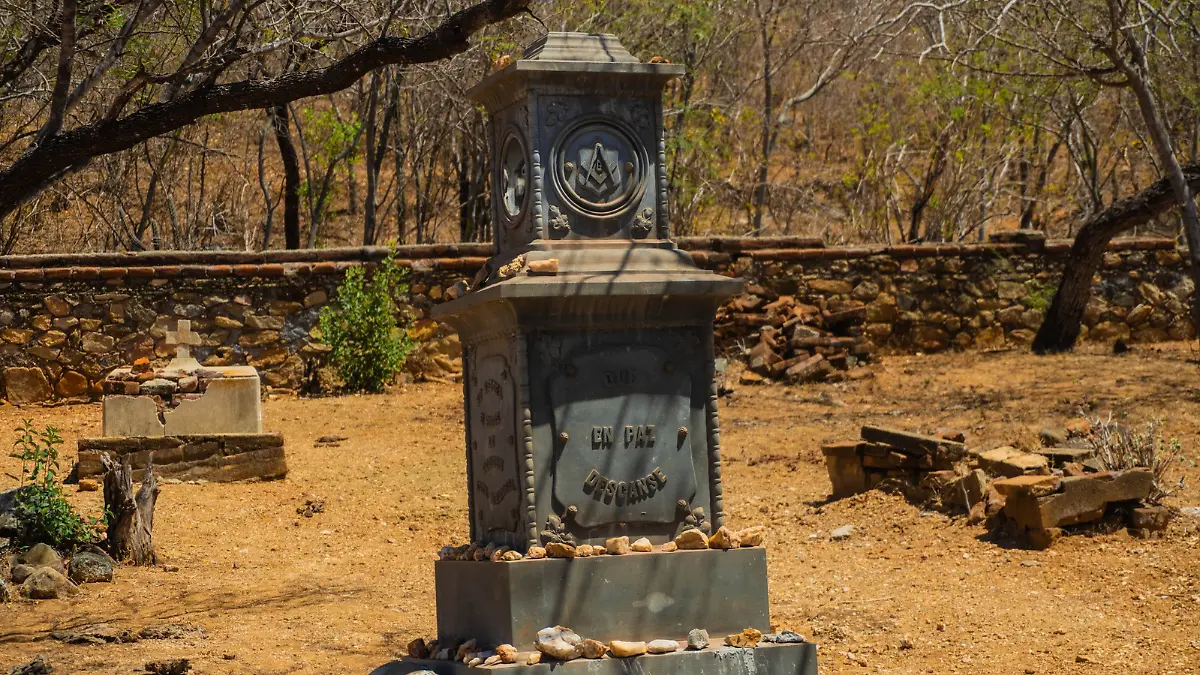
The executive explained that this economic activity attracted investors, workers, and residents from different backgrounds, creating a multicultural environment that can still be identified through historical remains in the town, such as the Chinese cemetery, the English cemetery, and the local cemetery.
A journey through mining history
The Ruta de Plata Museum offers an approximately one-hour tour that begins with an introductory video about the mining history of El Triunfo. From there, visitors move through different rooms that recreate the development of this activity in the region.
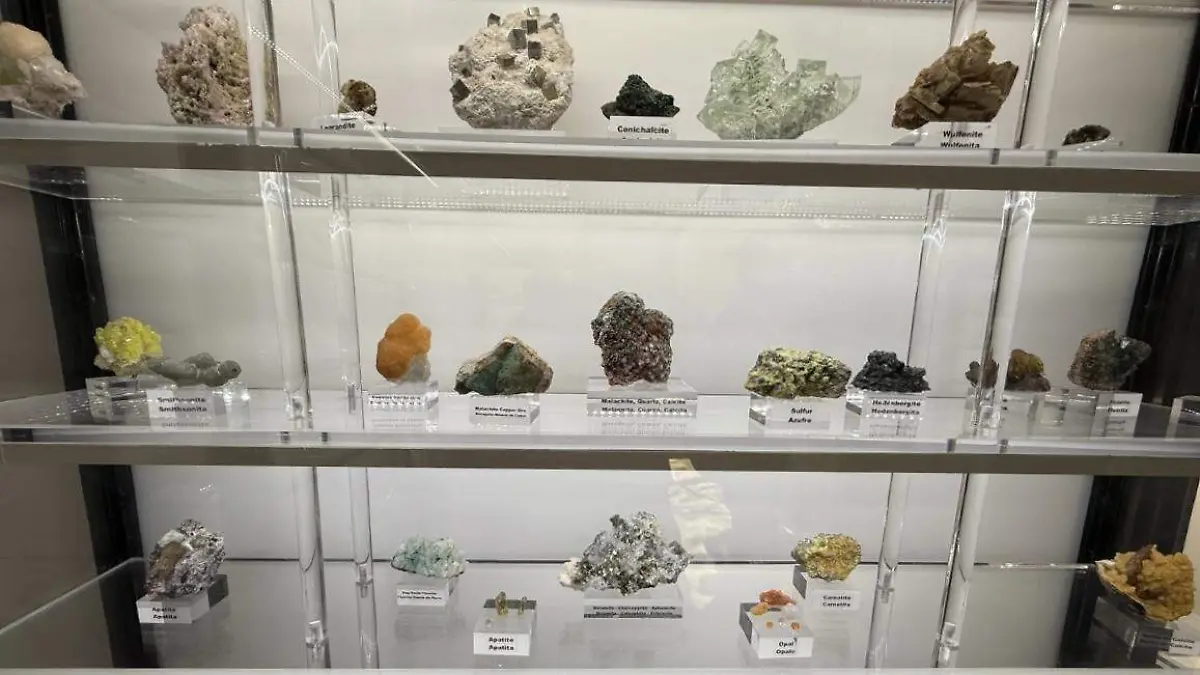
The experience includes a mineral collection, a gallery featuring photographs and historical documents from the mining companies that operated in the area, as well as spaces dedicated to the daily life of that era.
Another section of the museum features an interactive room displaying tools used in the mines, historical accounts, sculptures of local figures, and representations of the social environment of those years.
Identity, territory, and industrial heritage
Beyond extraction activities, the museum explores the transformation that mining brought to El Triunfo, from urban growth to the creation of an identity shaped by cultural and economic exchange.
Palacios Larrañaga stated that the venue seeks not only to preserve history but also to raise awareness about the importance of heritage as a foundation for more sustainable development models.
“What this museum seeks is to recognize this past in order to build development models that are more connected with the community and its surroundings,” he said.
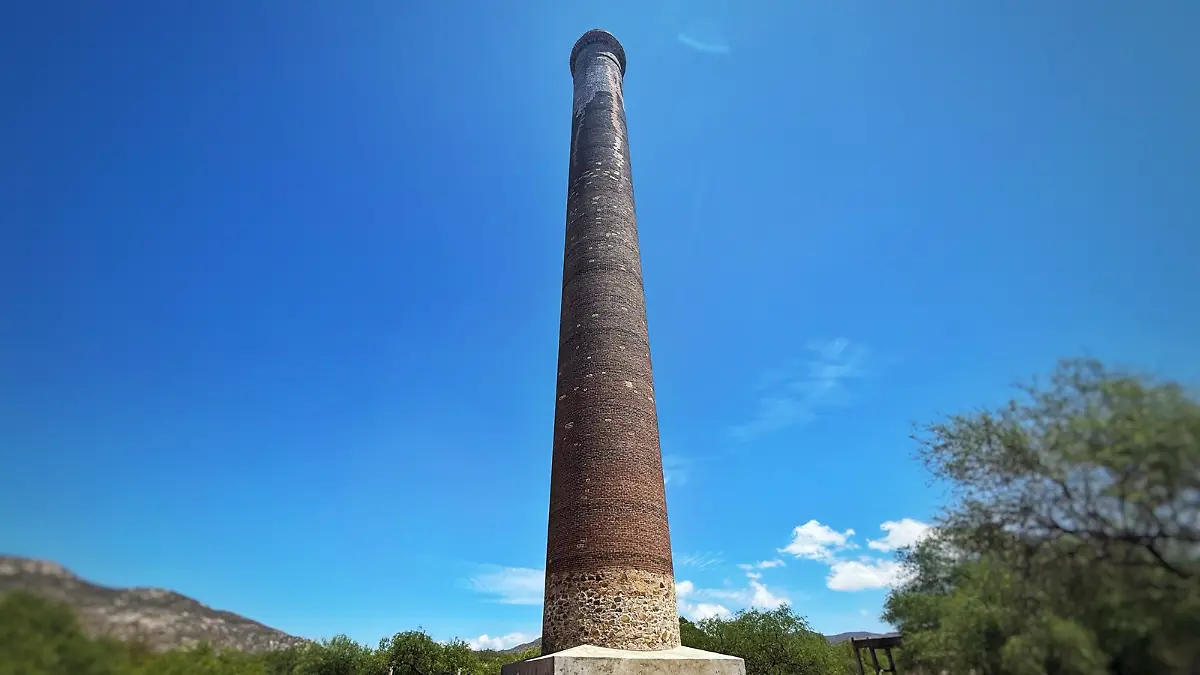
The space is also complemented by other iconic elements of the town, such as the industrial chimneys known as La Ramona and La Julia, as well as the church, the main plaza, the artisan center, and the cobblestone streets that preserve part of the original layout of the community.
Industrial remains and cultural attraction in El Triunfo
Around the community, visitors can still find various industrial remains that are part of the old Ruta de la Plata, which has encouraged initiatives to promote cultural tourism in the area.
The museum is located at Ayuntamiento Street corner with Progreso Street, in El Triunfo. It is open from Wednesday to Monday from 10:00 a.m. to 5:00 p.m., and it is closed on Tuesdays.
General admission costs 100 pesos; residents of Baja California Sur pay 75 pesos; students and senior citizens pay 60 pesos; while children under six years old enter free of charge.
Overall, the Ruta de Plata Museum adds to the cultural offerings of El Triunfo as a space that helps visitors understand the role of mining in shaping the history of the region and its influence on the identity of southern Baja California Sur.
Source: oem