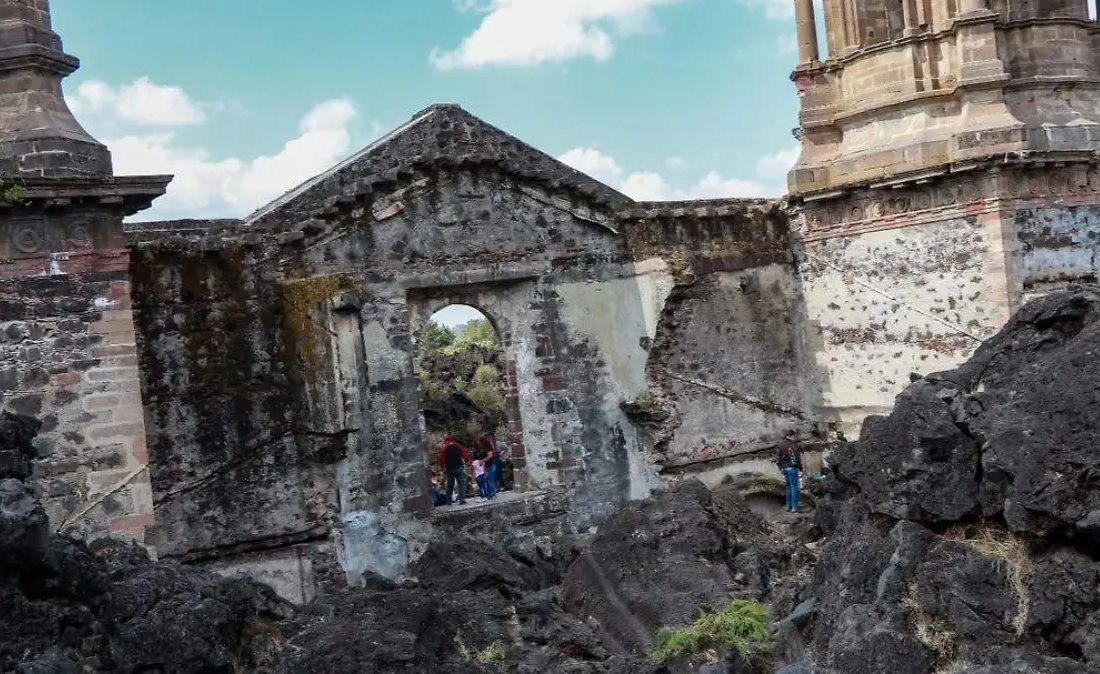

Among the most emblematic religious destinations in Michoacán is the Temple of the Lord of Miracles, located in the municipality of San Juan Parangaricutiro, a site that receives thousands of visitors and pilgrims every year, attracted by its historical, architectural, and spiritual richness.
This temple houses the image of the Lord of Miracles, considered one of the most venerated religious figures in the Purépecha region. Devotion to this figure grew stronger after the eruption of the Paricutín volcano in 1943, a natural phenomenon that buried the former town of San Juan Parangaricutiro under tons of lava and ash.
Here we will tell the story of the rescue of the image of Christ that was located in the old temple of San Juan Parangaricutiro.
History of the Rescue of the Image of Christ
The image of Christ that is now kept in the Sanctuary of the Lord of Miracles is one of the main religious and historical symbols of Michoacán. Its rescue, which took place after the eruption of the Paricutín volcano in 1943, represents one of the most significant episodes in the memory of the families who left the old town of San Juan Parangaricutiro.
The event occurred on February 20, 1943, following the birth of the Paricutín volcano, which completely changed the lives of the communities surrounding the area. For several months, lava and ash advanced over farmland, homes, and roads, forcing hundreds of families to abandon their homes and settle in another location.
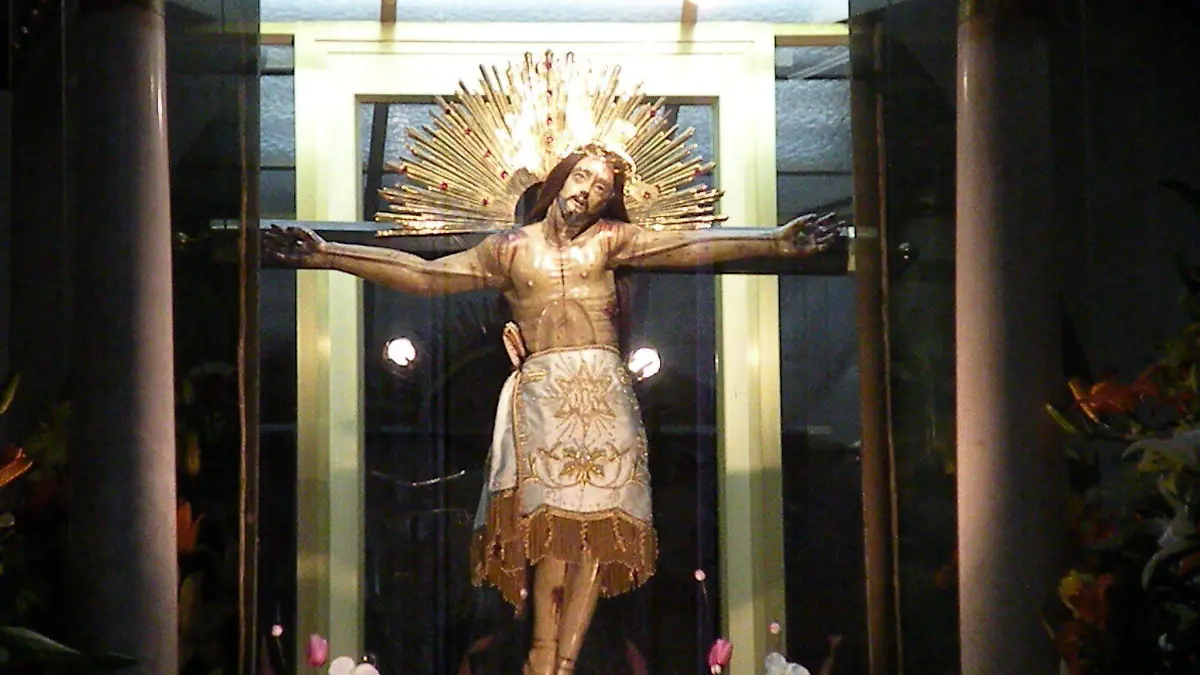
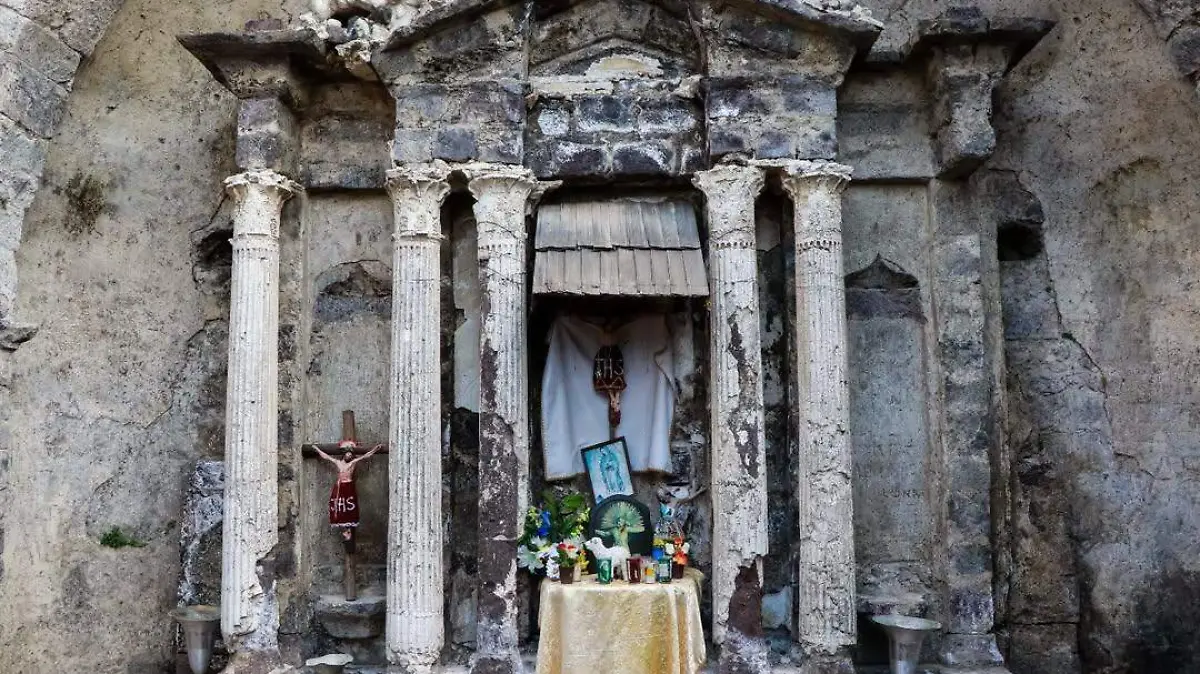
As the old temple faced the risk of being buried by volcanic activity, residents and religious authorities organized the rescue of the most important religious images and liturgical objects. Among them was the venerated image of the Lord of Miracles, which from that moment became the main spiritual heritage of the community.
The image was carried in an emotional procession led by residents of the town, who walked while carrying the Christ to a safe place before the lava reached the temple. The journey symbolized not only the rescue of a religious artifact, but also the hope of a community that had to begin a new life far from its place of origin.
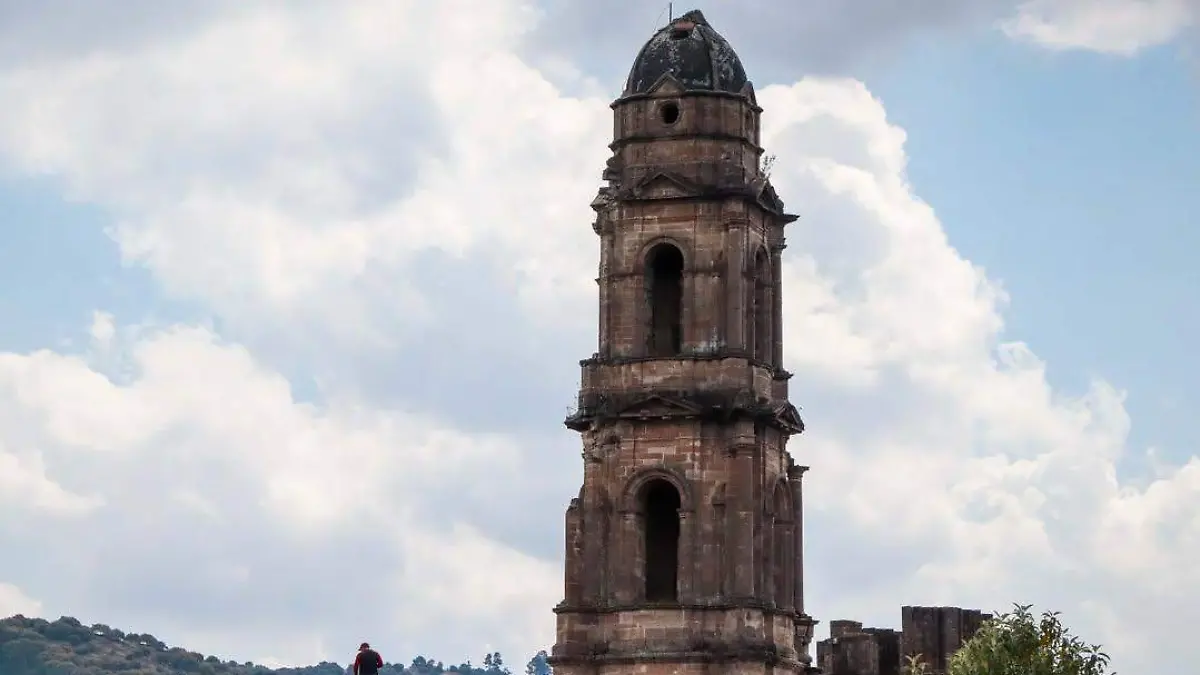
Over the following months, the old San Juan Parangaricutiro became almost completely covered by the lava of Paricutín. However, part of the temple remained standing, eventually becoming one of the most iconic landscapes in Mexico and a tourist attraction that receives thousands of visitors every year.
Where Was the Image of Christ Placed?
The rescued image was placed in the new Sanctuary of the Lord of Miracles, built in the current municipality of Nuevo San Juan Parangaricutiro. Since then, thousands of pilgrims have visited every year to give thanks for favors received and participate in religious celebrations dedicated to Christ, whose history is closely connected to the birth of the volcano.
More than eight decades after that event, the rescue of the Lord of Miracles continues to be remembered as an act of faith, solidarity, and resilience. The image represents the continuity of the religious traditions of a people who, despite losing their territory, preserved their identity and spiritual heritage.
How to Get from Morelia to the Old Temple of San Juan Parangaricutiro
The trip from Morelia takes approximately two and a half hours, depending on traffic and weather conditions. The distance is approximately 140 kilometers.
To travel by car, visitors must take Federal Highway 14 toward Uruapan. Upon reaching the city, they must continue along State Highway 37 toward Nuevo San Juan Parangaricutiro. This route passes through pine forests and communities of the Purépecha Plateau.
Once in the center of Nuevo San Juan Parangaricutiro, visitors should follow the signs toward the old temple, also known as the ruins of the San Juan temple. From the municipality’s main square, the journey is approximately eight kilometers along a paved road leading to the area where the lava from the Paricutín volcano buried the old settlement in 1943.
Upon arriving at the site, there is a parking area. From there, visitors take a short walk across the volcanic rock to reach the ruins, where the main façade, part of the bell tower, and the altar of the temple are still standing, structures that survived the advance of the lava.
Source: oem