
Young people between the ages of 18 and 30 are working on projects to create economic, social, and conservation solutions in coastal communities of Baja California Sur and other areas of the Gulf of California.
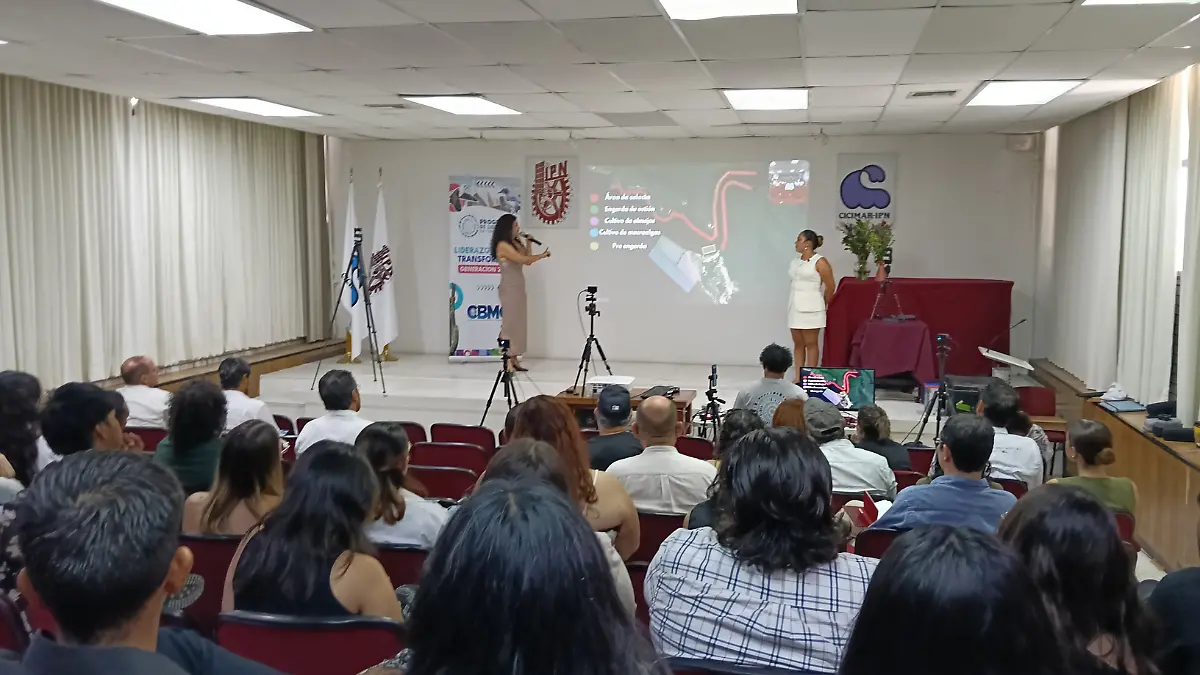
They are young people enrolled in the Conservation Leadership program promoted by the Center for Marine Biodiversity and Conservation (CBMC) in partnership with the San Diego Institute of Oceanography, the Coppel and Alumbra foundations, and the Inter-American Development Bank.
The program consists of specialized training and mentorship from experts, as well as field experiences, learning from resident coastal communities where conservation and restoration are a reality, such as Cabo Pulmo.
According to the annual call for applications, participants design a seed project, a collaborative initiative developed during a course that seeks to generate social, economic, and environmental impacts in their own communities.
Alejandro Lucero is a young man from the coastal community of Agua Amarga, in the municipality of La Paz, dedicated to diving, video editing, and photography. He comes from a family of fishermen and is part of the fourth generation, but in addition to fishing, he decided to study alternative tourism at the Autonomous University of Baja California Sur (UABCS).
In an interview with El Sudcaliforniano, he said he learned about the program’s call for applications through some friends. During the course, they provided him with tools and presentations to make the process of developing a conservation project easier.
He formed a team with young people from Sonora and Sinaloa, but they decided to focus on diving in Agua Amarga, with the idea of eventually replicating the model in other coastal communities throughout the Gulf of California. He explained that the course began in November 2025, and together with some cousins, he completed NOM-09, which is related to safety issues, while the fishermen worked on all the paperwork for their seaman’s book.
In February 2026, they began forming partnerships with other program participants to design the seed project through presentations and fieldwork in Cabo Pulmo and Espíritu Santo. By the end of that month, they began determining what tourism product they could develop that would be compatible with the fishermen’s activities.
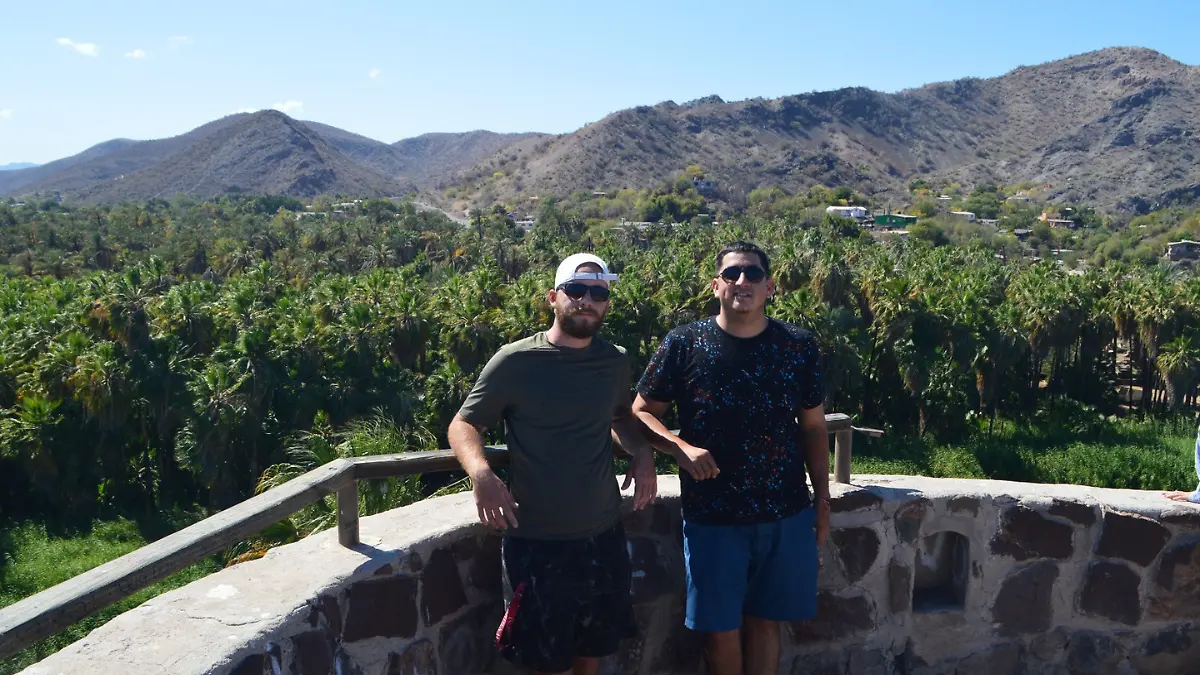
He explained that the project involves community-based diving, so he became certified as a two-star diver and hopes to become a Divemaster, which is the first level of recreational diving. The next six months will therefore focus on practice, continued preparation, and establishing the cooperative, which would be the final piece of the project.
“There are families that fish for sharks, and the idea right now is to start looking at how there can be another source of income by keeping them alive; as they say, better alive than dead.”
Two people participate directly in his project, while another eight participate indirectly, including family members who are also beginning to shift toward ecotourism. Agua Amarga has 900 inhabitants, many of whom are involved in commercial and sport fishing, although wildlife observation activities are also beginning to develop.
“As a new generation, I am one of those who is currently promoting this movement of doing things differently, promoting more nature tourism and doing it properly with good practices. So I have been encouraging others to enter this world. We have already received training under NOM-09, and we continue with diving and this course they brought for orcas, which we also took.”
He said that at the end of the course they earned some money, which they used to purchase their first snorkeling equipment, and the next step is to determine how to market the idea of shark-watching tours.
Erick García is another young entrepreneur who participated in the 2025 Conservation Leadership program. He explained that he is from La Paz, but worked with young people from Nayarit, Loreto, Mulegé, and Mazatlán on a project focused on nature tourism.
“What we are seeking to develop is a regenerative tourism model in which the resources generated by this activity are used for the conservation and protection of the territory itself.
“We worked in different communities. Our pilot project was in Loreto, and the nature of this design of community-based tourism experiences is that they serve as support for local communities.”
He gave Las Garzas Estuary as an example. The area has a beach, mangroves, and bodies of water, so they designed hiking experiences for bird watching, a cycling route in suitable areas, and kayaking tours, with the goal of using part of the income generated by these activities for beach cleanups, signage, and mangrove reforestation when necessary.
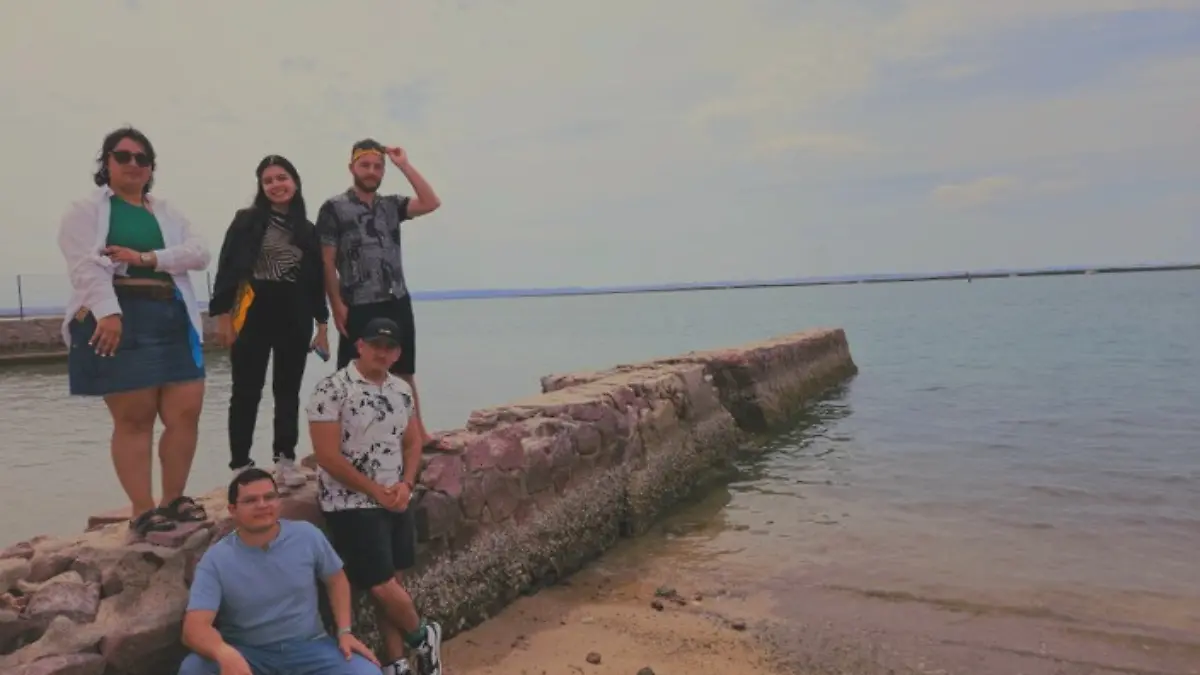
“At Red Verde Azul, we understand that these types of experiences can be transformative for the community. Spending time in nature, understanding what is there, and understanding what we can protect creates that spirit of conservation.”
What is interesting about this project is that it is tailored to each community, since coastal communities face different problems. Therefore, part of the model involves conducting an assessment and allowing the community to decide how it wants to use the resources. They could be used for security, signage to prevent littering, species protection, or other needs.
Erick García added that the project also includes a community monitoring and territorial defense component in response to the establishment and expansion of tourism or industrial projects in coastal areas. The first step is to establish a baseline of the territory’s conditions in order to have a record of its current state and determine what tools are available or can be established to protect plant and animal species.
The goal is for the community to be informed about these conditions and the mechanisms available to defend its territory. Since regenerative tourism is at the heart of the project, it is also important to establish partnerships with tourism companies that have an interest in the beauty of the beaches and nature of the Gulf of California, ensuring that the community benefits equitably from the money tourists spend when visiting the area.
Erick García emphasized that they do not see themselves as owners or directors of the community projects, but rather as facilitators of a method. Their goal is for the community to operate the project once it has been implemented, while they remain involved in training and supervision.
“We have two years of training, and by the third year the community is already capable of operating on its own. Then we move on to another community, seeking continuous improvement and sharing the process.”
Source: oem