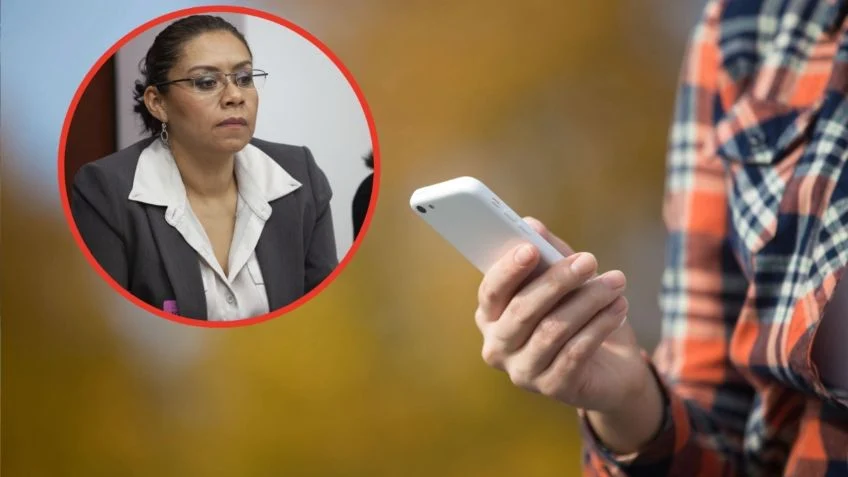

The CRT commissioner detailed the official schedule, support channels, and procedures to follow for affected users.
As the gradual suspension phases begin for mobile phone numbers that have not completed their registration and linking process in the country, the Regulatory Commission of Telecommunications (CRT) has sought to clarify how the measure works. The strategy aims to organize the telecommunications ecosystem and prevent criminal networks from using unregistered prepaid SIM cards to commit illegal activities.
In an interview with the program “Maca Diario” on El Heraldo Radio, broadcast through El Heraldo Media Group, CRT Commissioner Norma Solano Rodríguez detailed the official calendar, available support channels, and procedures for affected users.
The regulator’s representative began by directly urging the public to complete the process in advance, emphasizing the preventive nature of the measure to ensure that citizens are not left without communication once their respective deadlines expire.
“It is important to inform people and, first of all, invite them to link their line so that it is not suspended,” the commissioner said.
What is the schedule for line suspensions?
To prevent massive congestion on websites and at customer service centers, the regulation establishes a gradual schedule that began with numbers ending in 0 on August 15 and will continue every two weeks through December 31. The official explained the deadlines for each digit and clarified that the actual suspension of unlinked lines occurs within a period following the expiration of each cutoff date.
“Numbers ending in 1 will have a deadline of August 31, those ending in digit 2 on September 15, 3 on September 30, and so on every 15 days until reaching digit 9, which expires on December 31,” she explained.
How can a suspended line be reactivated?
One of the main concerns expressed by the public is permanently losing their assigned telephone number or being unable to reactivate it once service has been suspended. Norma Solano clarified that the suspension is only temporary and does not involve canceling the line. She also explained the digital and institutional channels available for reactivation.
“You do not lose the line; the line is not canceled, the number remains the same… you can reactivate it from your own device through the company’s platform, by going to a customer service center, or by visiting registratulinea.crt.gob.mx,” she explained.
There are also recurring questions about what happens if a user’s service is suspended for failing to complete the process on time, or whether they need credit to access their carrier’s registration platforms. The commissioner explained that the linking process operates under a zero-rating system, meaning access to the linking portals is completely free and does not consume mobile data or require a previous recharge. Once the registration is completed, the line is restored in real time.

“It does not matter if the line has already been suspended; the linking process can still be completed, and you do not need credit because it does not consume data… and once the linking is completed, the services are reactivated immediately,” she explained.
Goodbye to more than 20 million “ghost” lines
Regarding figures and the impact on the industry, the CRT estimates that a considerable portion of the lines formally registered on operators’ platforms actually correspond to abandoned chips, unused promotional lines, or disposable lines used by organized crime. The commissioner said that the suspension regulation will allow a massive cleanup of these inactive SIM cards (“ghost” lines), cleaning up national records and leaving only numbers belonging to actual users.
“We conservatively believe that between 20 and 25 million unused lines will not be linked; they will disappear, and what will happen, in addition to being a security issue, is that there will be an orderly registry of lines and we will be left with the active lines,” the official said.
Finally, the official addressed public concerns about what will happen to the information collected during this process and the risk of misuse of personal data. Solano Rodríguez clarified that regulatory authorities do not maintain databases containing personal information. Instead, the information requested is minimal and remains stored directly under the custody of each telecommunications provider, which is subject to strict legal confidentiality obligations.
“The only data the telephone company keeps is the name and the basic CURP… information held by the companies, which of course they safeguard and are required to protect under the relevant legislation, a specific law for private entities,” she concluded.
Source: heraldodemexico