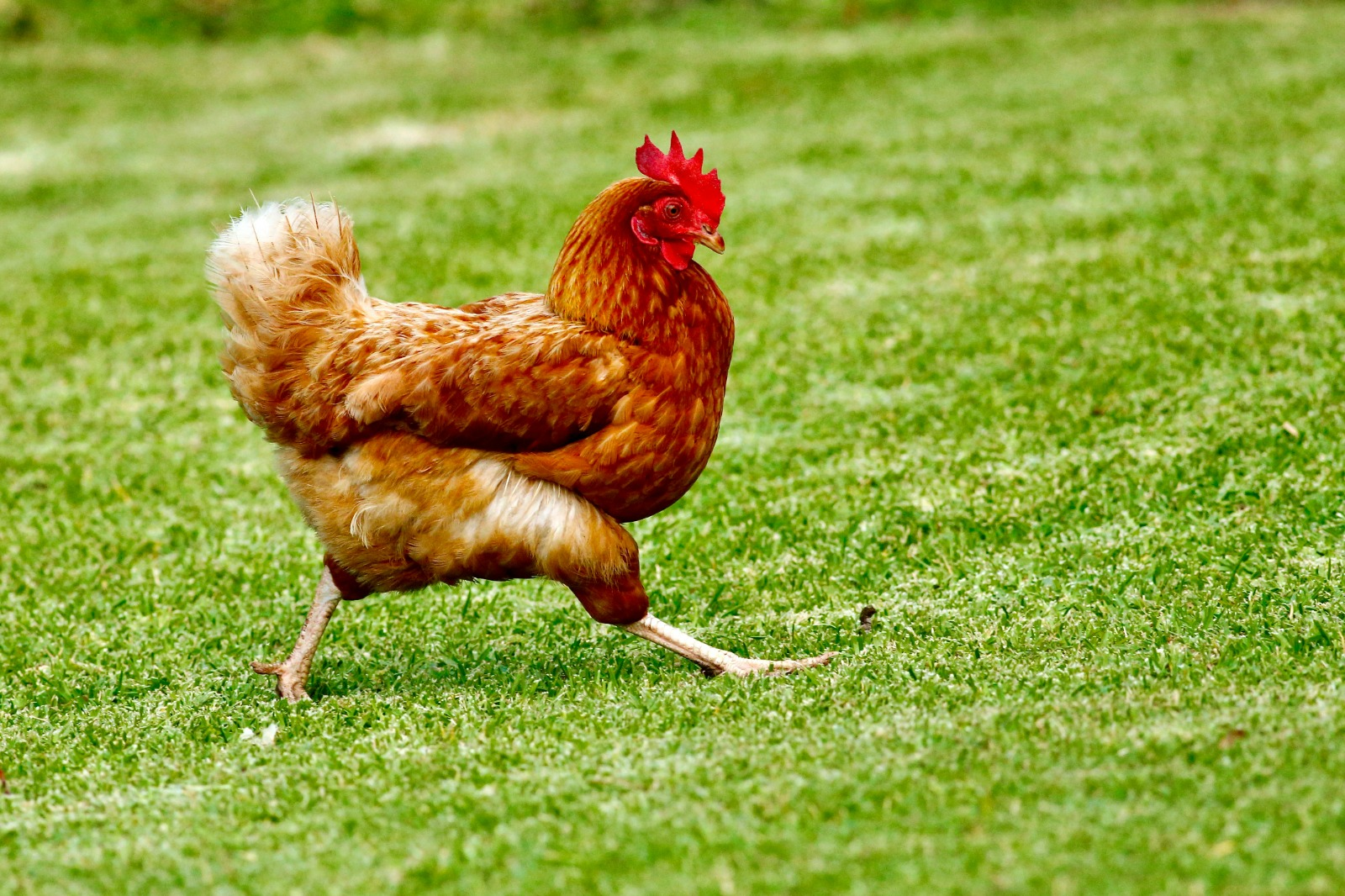

Aguascalientes reaffirms its agro-industrial vocation by firmly consolidating its position as the third-largest producer of chicken meat in Mexico. According to the latest Statistical Compendium of the Mexican Meat Council (COMECARNE), the state produced 433,043 tons during the last year, accounting for 10.4% of Mexico’s total poultry meat supply.
However, this strategic national economic engine is operating under growing pressure. The National Poultry Farmers’ Union (UNA) warns that the rapid increase in imports of boneless chicken breast from Brazil threatens the stability of the domestic market, the continuity of rural employment, and investment plans in the main producing states, where Aguascalientes plays a leading role.
Aguascalientes, a Pillar of Mexico’s Poultry Industry
Nationwide, poultry meat production reached 4,152,816 tons, showing a high level of geographic concentration. Just three states—Veracruz, Jalisco, and Aguascalientes—produce more than 35% of all the chicken consumed in the country.
Top 10 Chicken-Producing States in Mexico:
- Veracruz: 597,894 tons (14.4%) | Growth: ↑ 8.0%
- Jalisco: 454,738 tons (11.0%) | Growth: ↑ 0.1%
- Aguascalientes: 433,043 tons (10.4%) | Change: ↓ 1.1%
- Querétaro: 398,125 tons (9.6%) | Growth: ↑ 1.2%
- Durango: 293,918 tons (7.1%) | Growth: ↑ 1.8%
- Chiapas: 266,958 tons (6.4%) | Growth: ↑ 5.1%
- Guanajuato: 237,297 tons (5.7%) | Growth: ↑ 3.2%
- Puebla: 217,914 tons (5.2%) | Growth: ↑ 0.3%
- Yucatán: 213,268 tons (5.1%) | Growth: ↑ 13.5%
- Sinaloa: 160,351 tons (3.9%) | Growth: ↑ 3.7%
Despite recording a slight 1.1% adjustment in its annual production volume, Aguascalientes remains at the forefront alongside Jalisco in the Bajío and Central Mexico regions, significantly surpassing larger states such as Querétaro, Guanajuato, and Durango.
The Threat of Brazilian Chicken to the Regional Industry
The main challenge facing the industry lies in the imbalance in foreign trade. According to the National Customs Agency of Mexico (ANAM), imports of boneless chicken breast from Brazil grew 118% between 2022 and 2025, increasing from 90,000 to more than 196,000 tons.
This zero-tariff policy—created in 2022 to contain inflation—did not result in lower prices for final consumers, but it did cause accumulated losses of more than 27 billion pesos in the domestic poultry industry over the last year. The UNA warns that for every 1,000 tons imported, 4 million chickens are no longer raised and 280 direct and indirect jobs are lost.
This situation is compounded by concerns that sanitary restrictions recently imposed by the European Union on Brazilian chicken could lead to a massive diversion of that product toward the Mexican market, putting further pressure on the prices paid to farmers in Aguascalientes.
National Consumption and Investments at Risk Through 2030
Chicken meat consumption in Mexico continues to reach record levels, totaling 5.16 million tons annually (45.7% of total meat consumption, with an average of 3.25 kg per person per month). Since demand exceeds domestic supply by nearly one million tons, poultry farmers acknowledge the need to supplement production with imports, but demand that this be done under equitable rules.
Against this backdrop, the poultry industry has formally asked President Claudia Sheinbaum Pardo to replace the tariff exemption with a regulated and transparent import quota system.
The measure seeks to protect the $3.5 billion in projected investments between 2026 and 2030 in Mexico’s poultry industry, ensuring the creation of more than 18,000 rural jobs and ensuring that key producing states such as Aguascalientes continue to lead Mexico’s food sovereignty.

Source: liderempresarial