
Mexico has accumulated 39,470 cases of New World screwworm (GBG) since November 2024 and currently has 1,937 active cases, according to the latest report from the National Service for Agro-Alimentary Public Health, Safety and Quality (Senasica). The report corresponds to epidemiological week 34, with Durango registering 49 active cases and 177 cumulative cases.
The state of Zacatecas, which borders Durango, leads the national list of current cases with 182. The report, updated through August 23, shows that the presence of the screwworm remains widespread across different states, although there are significant differences in the number of active cases.
In Durango, Mezquital has the highest number of active cases, with 10, followed by Pueblo Nuevo, with eight, and the municipalities of Durango and Pánuco de Coronado, with seven cases each. Canatlán has three active cases, while Cuencamé and Vicente Guerrero have two each.
The municipalities with one case each are El Oro, Gómez Palacio, Mapimí, Nazas, Peñón Blanco, Poanas, Rodeo, San Juan de Guadalupe, San Luis del Cordero, and Tlahualilo.
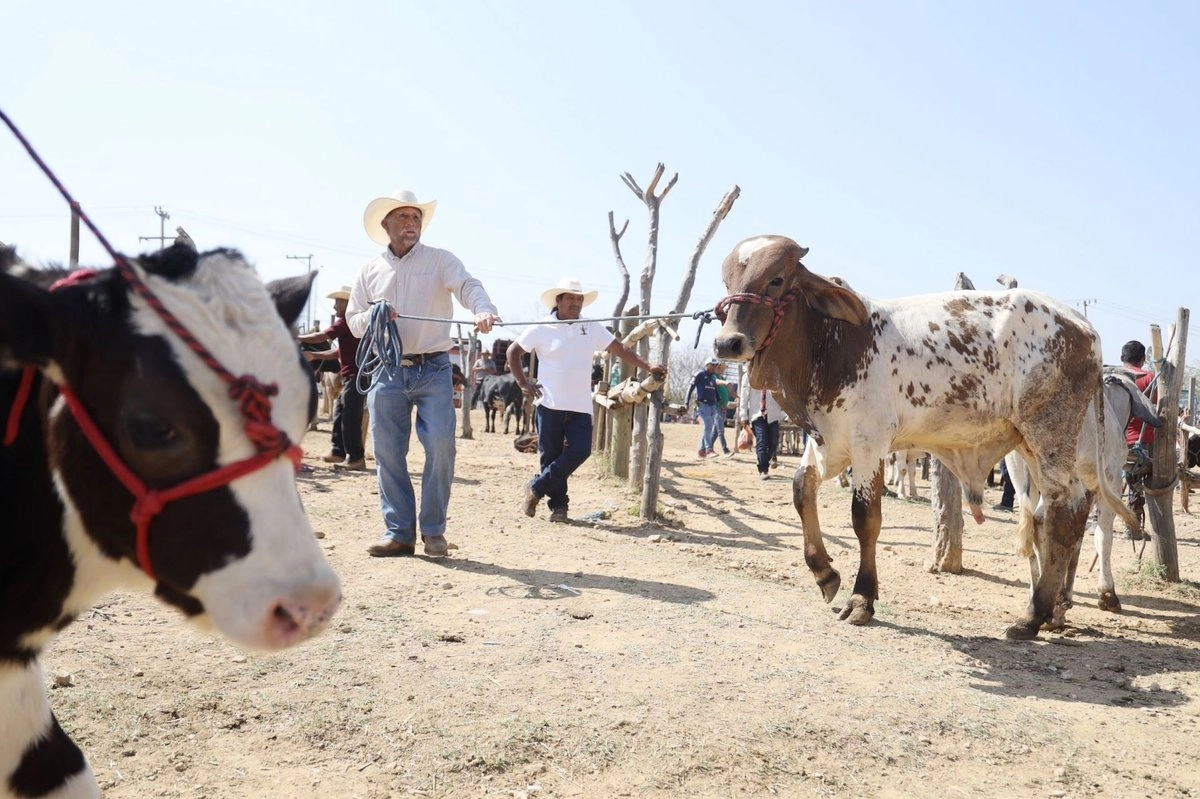
Of the total active cases in Durango, 37 involve cattle, primarily cows and calves; eight involve horses, two involve dogs, and two involve pigs.
The state also appears among those affected by screwworm on the Senasica map of cumulative cases.
The development of the disease comes as Sonora’s border reopened on Monday, August 24, for the export of live cattle to the United States.
That state currently has only two active screwworm cases, one of the lowest levels in the country. The presence of GBG has become one of the main health-related factors affecting the movement and export of Mexican cattle to the United States, so the evolution of cases continues to be monitored by health authorities in both countries.
Source: jornada