
Mexico-U.S. Border Reopens for Live Cattle Exports After Screwworm Restrictions
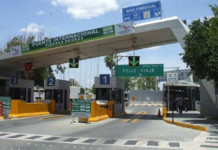
The border between Mexico and the United States reopened for the export of live cattle after months of restrictions that had been in place since late 2024 due to the screwworm. The first step took place on August 24 in Agua Prieta, Sonora, where cattle began crossing into Douglas, Arizona, with an initial shipment of 750 head of cattle that will gradually increase.
The governor of Sonora, Alfonso Durazo, highlighted that the reopening represents a benefit for thousands of cattle-raising families. At the same time, he announced that the sanitary containment measures will be strengthened through the release of 12 million sterile flies every week to combat the reproduction of the screwworm.
Meanwhile, in a radio interview, Homero García de la Llata, president of the National Confederation of Livestock Organizations (CNOG), noted that the first reports from authorities in both countries indicate a smooth flow without complications. He also expects that within approximately one month, two additional quarantine stations in the state of Chihuahua will be opened, which would respond to the urgent demand from the U.S. market due to the decline in its own cattle inventories.
This progress has been made possible through joint efforts to contain pests throughout the country and increased sterile fly production at the plant in Metapa, Chiapas. With a projection of reaching 100 million flies produced by the end of the year, this strategy seeks to stop the spread of pests in key areas such as Chihuahua, Sonora, and Coahuila.
The movement of cattle represents a positive signal for producers in northern Mexico, but for Coahuila, the reopening does not yet mean an immediate return of its exports. The state expects the process to advance toward its border and for the Ciudad Acuña crossing to be incorporated into the following stages of the program.
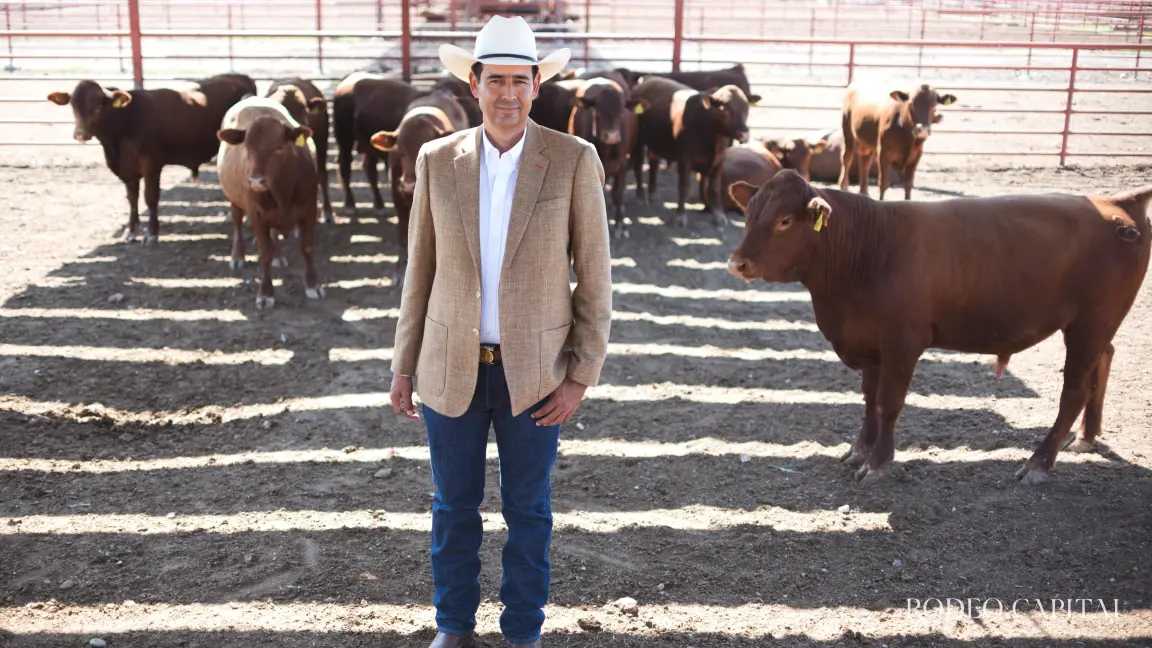
For Homero Amezcua Villarreal, president of the Regional Livestock Union of Coahuila, the reopening announcement represents news that restores optimism to the sector. The leader recently told Rodeo Capital that cattle from the state maintain a zoosanitary status recognized by both Mexican and U.S. authorities, and that the additional period before reopening will allow producers to better prepare their herds and strictly comply with sanitary protocols.
Amezcua believes that Coahuila will once again have the opportunity to demonstrate that its live cattle meet the necessary sanitary conditions to enter the U.S. market.
For the UGRC, the reopening represents an opportunity to reduce economic pressure and gradually recover a fundamental market for producers.
For now, Chihuahua is projected to reopen cattle exports to the United States by the end of September 2026, just over 30 days after the border reopening officially began in Sonora.
THE SANITARY CHALLENGE
The reopening also represents a test for the surveillance system against the screwworm. Mexico’s strategy includes maintaining cattle traceability, strengthening inspections, and expanding the release of sterile flies in areas considered strategic.
The objective is to prevent the recovery of trade from creating new health risks. In fact, the reopening process is gradual precisely to evaluate the conditions in each region and maintain the necessary controls before moving forward to other border crossings.
Thus, the reopening that began in Sonora is only the first chapter in a recovery that the Coahuila livestock sector has been awaiting for months. Attention is now focused on the northern border and on whether sanitary conditions will allow Ciudad Acuña to once again become a gateway for Coahuila’s cattle exports.
Source: rodeocapital