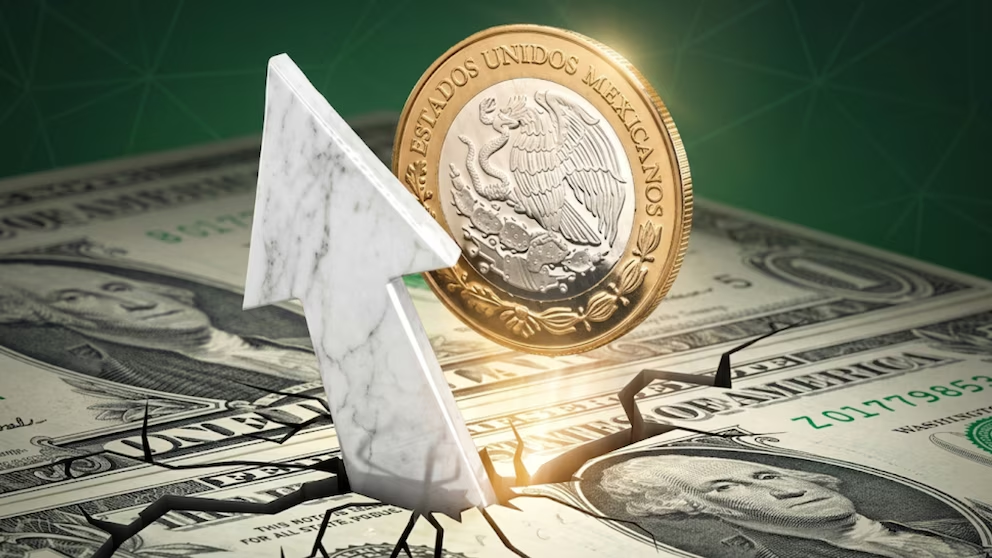

The Mexican currency has once again surprised markets. According to a Reuters analysis by Stefanie Eschenbacher and Noe Torres, at the beginning of 2025 both the Bank of Mexico and Wall Street analysts projected that the peso would weaken to 21 pesos per dollar. Instead, the currency has strengthened beyond 17 pesos, trading below that level on Tuesday, according to LSEG data cited by the agency.
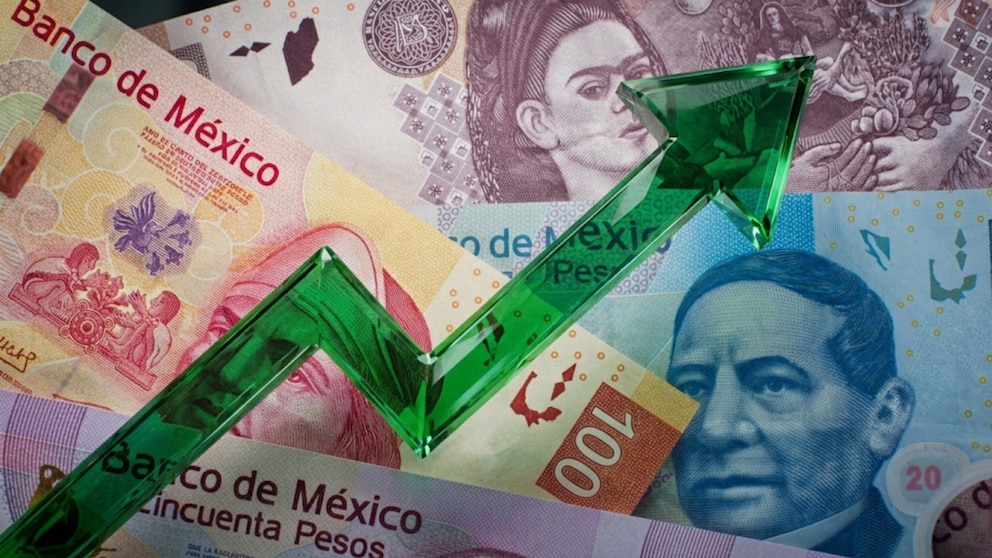
This represents an appreciation of nearly 20% against the dollar since January 2025, reigniting the debate over the so-called “superpeso” and its implications for the Mexican economy, which is highly dependent on trade with the United States.
What Is Driving the Peso’s Rally?
According to the report, the strengthening of the peso would be the result of a combination of factors:
- The depreciation of the dollar, which lost more than 10% against a basket of major currencies in 2025.
- Capital inflows from carry trade operations, attracted by Banxico’s benchmark interest rate, close to 7%, compared with the Federal Reserve’s 3.75%.
- Lower commercial risk premiums and political stability, according to Alejo Czerwonko of UBS Global Wealth Management.
The outlet also notes that Mexico is perceived by some investors as a beneficiary of the global artificial intelligence boom: S&P Global estimated that computer server exports reached nearly $83 billion in the first half of 2026.
Winners and Losers of the “Superpeso”
A strong peso makes imports cheaper but puts pressure on exporters. Reuters documented that companies such as Becle (José Cuervo), Grupo Bimbo, Grupo Carso, Grupo Industrial Saltillo, and the Mexican Stock Exchange reported effects on their recent performance due to the strength of the currency.
Valeria Moy, director of the Mexican Institute for Competitiveness, told the outlet that the appreciation is particularly sensitive for companies whose exports are concentrated in the U.S. market, although she noted that exports overall continue to show growth.
The USMCA Factor: The Main Risk
The report warns that trade uncertainty remains the biggest obstacle to the sustainability of the trend. President Donald Trump’s administration chose not to renew the USMCA for a new 16-year period and instead established annual reviews that keep the agreement in place but prolong uncertainty, according to Graham Stock of RBC BlueBay Asset Management.
This situation comes just as trade tensions between the United States and Canada have escalated again. Trump threatened to raise tariffs on Canadian automobiles and auto parts to as much as 50% beginning January 1, double the current rate, in a move aimed at bringing industry back to U.S. territory.
Despite this “disagreement” between Washington and Ottawa, President Claudia Sheinbaum said it does not represent a risk to the Mexican economy and expressed optimism about the direction of the USMCA review with the United States. The president said she remains confident that an agreement can be reached and that Economy Secretary Marcelo Ebrard would remain in Washington to advance Mexico’s objectives during this stage, including a reduction in the automotive tariffs currently paid on vehicles assembled in Mexico.
Additionally, Marco Oviedo of XP Investments told Reuters that much of the recent gains have come from “fast money” investors —such as hedge funds— rather than from a sustained return of long-term institutional capital. This could leave the peso exposed to a potential correction if those positions are reversed.
Source: infobae